Healthy Walks with Your Dog: The Meaning and Management of That Time.
<!--img--> 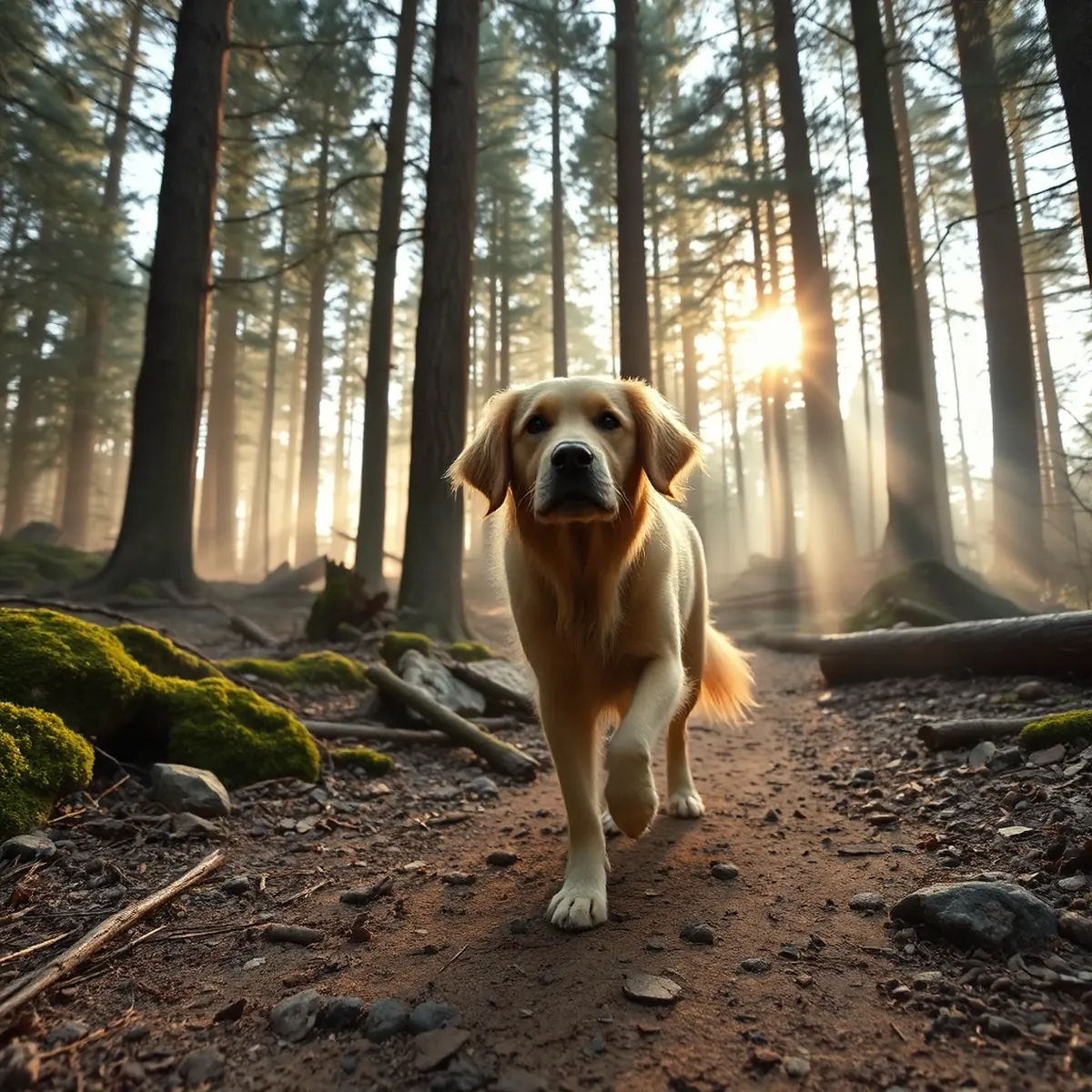
Walking a dog is more than just taking them for a walk; it's an essential part of their well-being. Walks not only provide physical exercise for pets but also play a crucial role in their emotional stability and socialization. While many owners may think of walks as simply "taking the dog out," they are actually a form of training and an important activity that strengthens the bond between humans and their canine companions. This article will comprehensively explore the importance of walking with your dog, proper walking techniques, and management strategies for various situations.
Biological and Emotional Benefits of Walking for Dogs
Animals are instinctively driven to move. As hunters in the wild, they constantly moved to expend energy and maintain cognitive function. While modern dogs are accustomed to indoor living, their genetic makeup still requires an active lifestyle. Walking is more than just "exercise"; it's a vital tool for providing sensory stimulation and social interaction.
Exposure to natural environments and various stimuli during walks activates a dog's brain. New smells, sounds, and sights stimulate the nervous system, helping to prevent disease and maintain cognitive function. Regular walks are particularly effective in reducing the risk of dementia in senior dogs. Furthermore, walking helps to reduce aggression and anxiety. Dogs form a bond with their owners during walks and feel safe, which is essential for building trust and allowing them to read their owner's emotions.
Perhaps most importantly, walks provide dogs with a sense of "significance." They learn that they are important and valued. This reduces feelings of loneliness or neglect, which can lead to behavioral problems. The emotional stability that dogs experience through walks contributes to a harmonious relationship between humans and their canine companions.
Creating the Right Walk: Time, Place, and Method
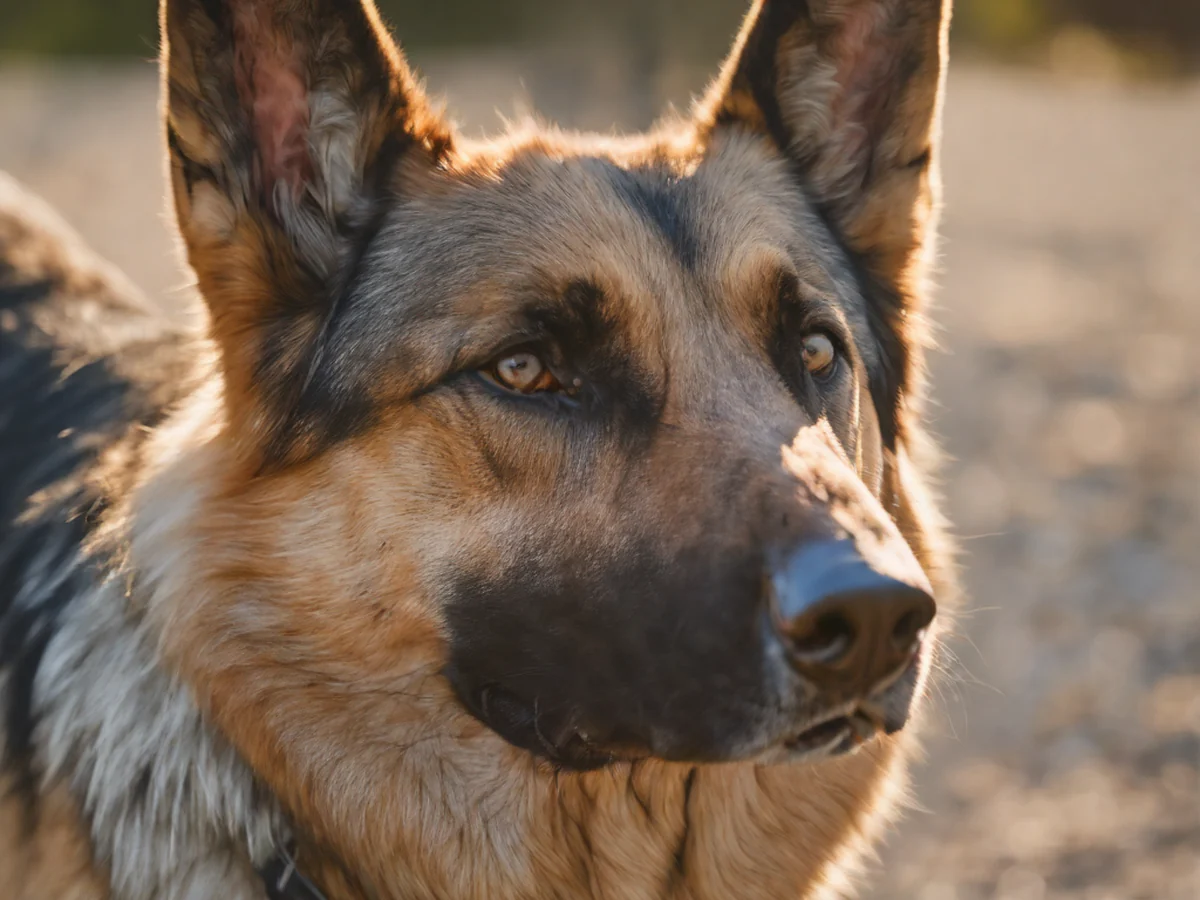
Walking should be integrated into a dog's daily routine as a regular and planned activity. Simply walking for 30 minutes each day can make a significant difference. However, the effectiveness of a walk depends heavily on how that time is structured.
First, consider the time of day. In summer, early mornings (before 7 am) or late evenings (after 6 pm) are ideal. During the day, excessive heat can lead to heatstroke. Breeds with thick fur or short noses (e.g., Pekingese, British Short Hair) should be especially cautious during summer walks. Conversely, in winter, strong winds and cold temperatures can be harmful to smaller dogs, so it's a good idea to dress them in warm clothing. Adjusting walk times based on the season is crucial for their health and safety.
Second, choose the location carefully. Providing a variety of environments, such as parks, walking trails, and riverbanks, is beneficial. However, each location has its own advantages and disadvantages. For example, urban parks offer sensory stimulation but may pose risks due to interactions with other dogs. In such cases, using a leash or harness is essential. Additionally, depending on the location, dogs may exhibit "hunting" behaviors, so proper training and leash management are necessary.
Third, consider the walking method. Incorporating a variety of activities is better than simply walking. For example, allowing the dog to run off-leash for a while or playing with toys can increase their mental stimulation and physical activity. It is recommended to walk at least twice a day for a minimum of 30 minutes. For small breeds, less than an hour is sufficient, while large breeds may benefit from 60 minutes or more. Adjust the duration based on the dog's energy level and age.
Potential Risks During Walks and How to Handle Them
While walks are generally a positive experience, they can sometimes involve risks. A dog may rush towards another dog, or attempt to eat dirt or water. These behaviors are difficult to predict without prior training.
The first thing to check is the condition of the leash and collar. A dog-specific leash should be sturdy and adjustable. It's dangerous if the collar comes undone during a walk, especially if the dog is prone to running. If a dog tries to run away, use a firm "stop" command and immediately restrain them. A signal (e.g., a hand gesture, a quick footstep) is often more effective than a verbal command.
Furthermore, dogs may develop "human-like" behaviors during walks. This is not necessarily a neurological issue but can stem from a lack of socialization or an overprotective instinct. In such cases, socialization training is necessary. This involves repeatedly practicing staying "quiet" when other dogs or people pass by, gradually helping the dog to view external stimuli more positively.

Additionally, a wagging tail or growling can be signs of stress. If you observe these behaviors, immediately stop the walk and assess the surroundings. For example, if another dog is nearby, change walking routes or wait a while. If a dog repeatedly sniffs the ground, it's usually normal, but if it persists for an extended period, it could be a sign of illness (e.g., gastroenteritis, skin problems). Consult with a veterinarian if you suspect any health issues.
Conclusion
Walking with your dog is more than just an outing; it's a vital activity for maintaining their physical and emotional well-being. Proper walks are crucial not only for the dog's welfare but also for strengthening the trust between humans and their canine companions. Therefore, walks should be planned, observed, and adjusted continuously. Walking is a time to make your dog even more beautiful as part of your daily life.
<!--enr--> ## Quick Comparison
| Category | Item A | Item B |
|---|---|---|
| Purpose of Walks | Maintaining physical health + emotional well-being + developing social skills | Simply exercising or going out |
| Ideal Walking Duration | Small breeds: 30+ minutes, Large breeds: 60+ minutes (at least twice daily) | Walking for just 30 minutes per day is sufficient |
| Walk Location Selection Criteria | Diverse natural environments, mental stimulation, ability to safely interact with other dogs | Using only sidewalks near roads or home |
| Use of Leash and Harness | Controlled walking using leash and harness + adjusting behavior through signals (hand gestures, etc.) | Allowing unrestricted running or walking without a leash |
| Risk Management Strategy | Recognizing stress signals (tail wagging, growling) and immediately stopping the walk | Ignoring signs or continuing as usual |
Frequently Asked Questions (FAQ)
Q1. How much walking does my dog need each day? It varies depending on gender, breed, and age. Generally, small dogs should get at least one walk per day lasting 30 minutes or more; large breeds typically require over 60 minutes. For older dogs or those with unstable health conditions, consult a veterinarian before adjusting walking routines.
Q2. What should I watch out for when walking my dog in summer? Avoid walking during peak heat hours (10 a.m. to 4 p.m.). Opt for early morning walks before 7 a.m., or in the evening after 6 p.m. Breeds with thick coats or short noses (e.g., Pekingese, Bulldogs) are at higher risk of heatstroke. If your dog starts sweating excessively or shows signs of heavy panting, stop immediately and let them rest in a cool place.
Q3. What should I do if my dog barks aggressively or rushes toward other dogs during walks? This behavior may stem from lack of socialization or anxiety. Use a "stop" command before approaching other dogs, and immediately change direction or pause to prevent escalation. Consistent socialization training helps foster positive responses over time.
Q4. Is it normal for my dog to keep scratching the ground or sniffing the scent for a long time during walks? Sniffing and scratching are natural behaviors that provide sensory stimulation for dogs. However, if your dog spends excessive time sniffing or shows signs of anxiety (e.g., trembling, muscle tension) during this behavior, it could indicate an underlying health issue—consult your veterinarian.
Popular posts
Essential for Dog Owners: How to Calculate Your Dog's Age and 5 Key Stages of Their Life

Reasons why cats shouldn't open refrigerators: Understanding the risks of food for pets

Reasons why dog owners dislike being alone: Understanding the underlying causes and
Comments 0