Reasons why cats shouldn't open refrigerators: Understanding the risks of food for pets
My cat opened the refrigerator last night and ate all of the chicken breast slices that were inside. I immediately broke out in a cold sweat. I thought the most dangerous thing in the refrigerator was "raw meat," but it turned out to be meat pieces with human-grade seasonings that were being refrigerated. The cat started vomiting 30 minutes after eating, and the next day it was listless. At the vet, I was told that it might have been "sodium absorption poisoning" (also known as excessive sodium intake) and that the seasonings in the food could have temporarily irritated its digestive system. Fortunately, we got to the vet quickly, and the dangers of processed foods were once again deeply ingrained in my mind.
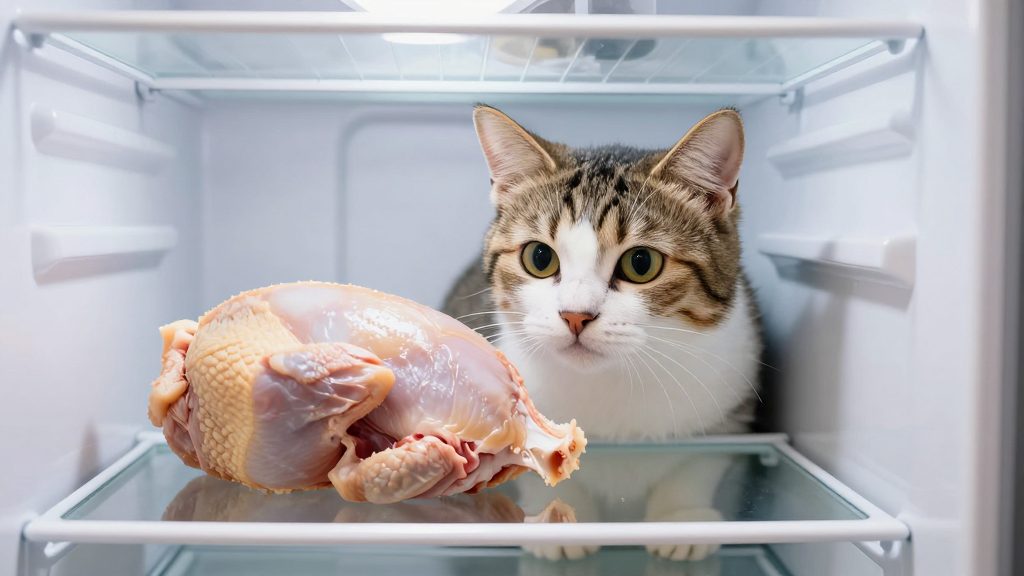
In reality, food accidents involving pets are common. Especially cats and dogs often misinterpret what they see humans eating as something they can also eat. However, a pet's metabolism is different from a human's, and even small amounts of certain foods can be extremely dangerous.
---
Why is it dangerous for cats to eat food from the refrigerator?
Even if something is safe for humans, it can be "dangerous just to put it in a cat's mouth." Foods stored in the refrigerator may appear harmless, but preservatives, flavorings, and salt levels can put excessive strain on a cat's body.
- Raw meat and processed meats are prone to bacterial growth (such as Listeria and Salmonella), and cats have weaker immune systems than humans, making them more susceptible to infection.
- Foods containing onions, garlic, chocolate, coffee, or alcohol can damage a cat's red blood cells or directly affect its nervous system.
- Foods with high salt content (e.g., sausages, ham) can put a strain on a cat's kidneys and increase the risk of kidney disease.
---
What are some common foods that cats should never eat?
Foods that humans might consider "delicious" can be toxic bombs for pets.
- Processed foods with high salt content (ham, sausage, fried foods) → can lead to kidney dysfunction and high blood pressure.
- Foods with high sugar or lactose content (cake, yogurt) → can cause digestive imbalances or diabetes.
- Tea and coffee (caffeine) → can increase heart rate, cause anxiety, or trigger seizures.
- Alcoholic beverages or foods preserved in alcohol (e.g., pickled fish) → can suppress the central nervous system and cause respiratory failure.
In particular, cats are very prone to lactose intolerance. While a human might be fine eating a piece of cake, even a small amount (1-2 pieces) can cause abdominal pain or diarrhea in a cat.
---
Practical methods for turning the refrigerator into a "no-go zone" for cats.
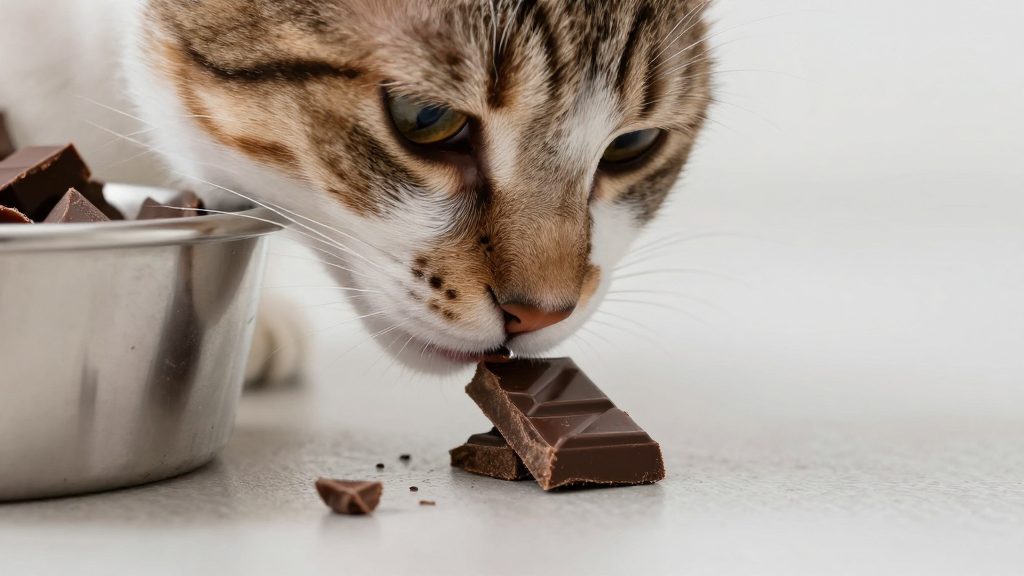
Just because something is "food for humans" doesn't mean it's okay for a cat. Pets cannot follow human eating habits.
- Store human food only on shelves or drawers that are out of reach for the cat: The lower shelves at the top and bottom of the refrigerator are accessible to cats, so it's safer to install a separate "cat-only food drawer."
- Use airtight containers for food storage: Open containers or unpackaged foods in the refrigerator can be smelled and accessed by cats. Storing food in airtight containers will reduce the likelihood of them trying to get into it.
- Store cat food outside the refrigerator: A cat's main food (e.g., dry kibble, wet canned food) should be stored in a cat-only drawer or cabinet outside the refrigerator. If mixed with human food inside the refrigerator, the risk of "accidental ingestion" increases dramatically.
---
Quick response checklist for what to do within 1 hour of a cat eating food.
The first hour after a cat eats something is the "golden window" for intervention. Quick action during this time can prevent poisoning or serious harm.
- Vomiting or diarrhea: Check if the food has irritated the cat's stomach. If it's not just simple constipation, but frequent vomiting or bloody diarrhea, go to the vet immediately.
- Dilated pupils, anxious behavior: This can be a sign of caffeine or alcohol ingestion, affecting the nervous system. If the cat is staggering or crawling, it's a serious sign.
- Difficulty breathing or shock symptoms: If you suspect even a small amount of sodium absorption poisoning, go to the vet immediately. It can quickly worsen into a serious condition within 20-30 minutes.
- Check the storage conditions of the food: Check if the food in the refrigerator was old or had strong seasonings. Foods stored for 2-3 days or longer can be dangerous for cats.
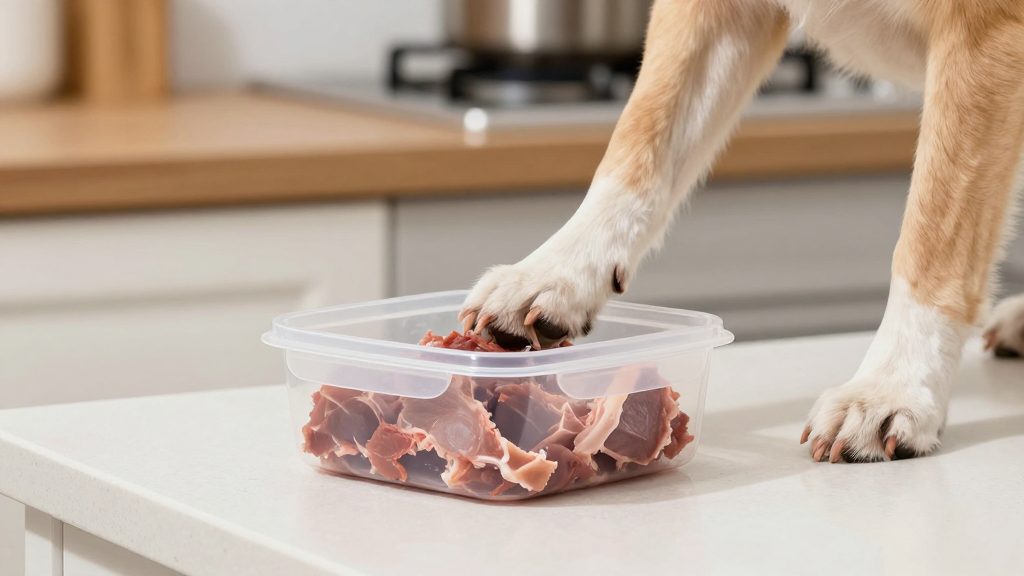
Note: The recommended storage time for human food is 3-7 days, while for pet food, it's recommended to consume within 24 hours. Cats have delicate digestive systems, so excessive storage is not recommended.
---
Conclusion: The refrigerator should not be a "food laboratory" for cats.
The idea that "if I can eat it, so can my pet" is the most common mistake that puts a pet's life at risk. A cat's food ingestion can quickly lead to a serious condition, and the refrigerator can be the "starting point" for that danger.
Therefore, food storage should be set up as an "area inaccessible to cats," and human food and pet food should be completely separated. Simply changing the storage method can reduce accidental ingestion by over 80%.
Don't believe that "if a cat opens the refrigerator, the food inside is automatically safe." The beginning of a safe pet life starts with actively protecting "invisible food."
Related posts
Essential for Dog Owners: How to Calculate Your Dog's Age and 5 Key Stages of Their Life

Reasons why dog owners dislike being alone: Understanding the underlying causes and
Cat and dog communication breakdown? Four realistic problems faced by "dogs that act like

5 Key Things to Check When Preparing Your Dog's Lunch.
Popular posts
Essential for Dog Owners: How to Calculate Your Dog's Age and 5 Key Stages of Their Life
Reasons why dog owners dislike being alone: Understanding the underlying causes and
Cat and dog communication breakdown? Four realistic problems faced by "dogs that act like
Comments 0