5 Key Things to Check When Preparing Your Dog's Lunch.
Do you know that the way your dog eats lunch can affect their health? Especially when owners have busy schedules or eat out frequently, the quality of your dog's meals can easily decline. Even if your dog eats lunch only once or twice a day, the composition and management of those meals are crucial for minimizing long-term health risks. Here are 5 practical checkpoints to make your dog's lunch healthier and more stable:
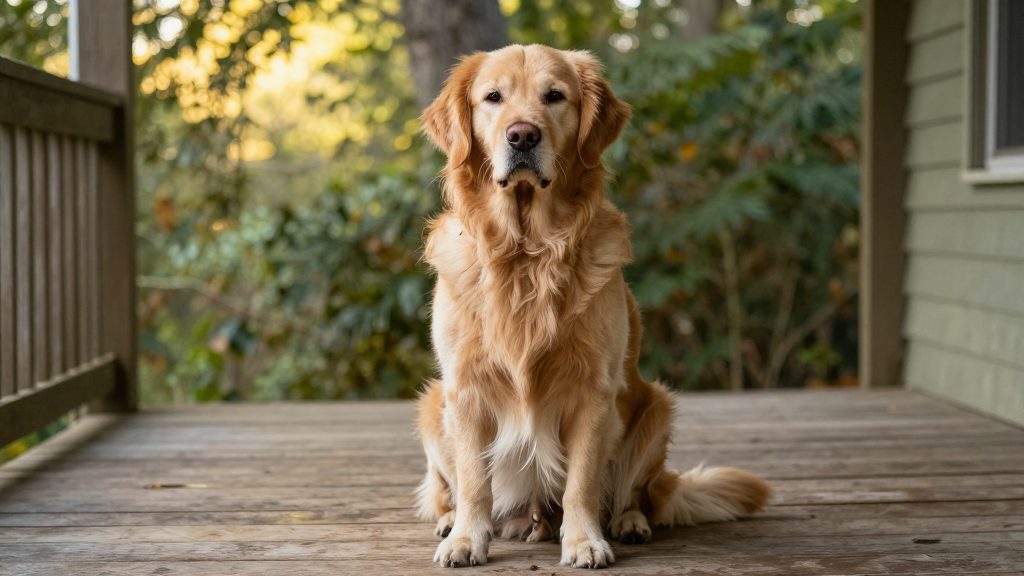
1. A Balanced Diet with Meat as the Foundation Meat is a core ingredient in lunch menus. Protein from meat is essential for maintaining muscle mass and boosting the immune system, making up approximately 60-70% of a dog's dietary needs. When choosing meat, prioritize unprocessed raw meat or refrigerated ground meat. Chicken breast and beef are reliable choices, but consider the fat content and tenderness of the meat. Remember to avoid canned or processed meats with high salt content.
2. Vegetables are "Supplementary" but Essential Vegetables in lunch aren't just an afterthought; they provide vitamins, minerals, and fiber, supporting digestive health and preventing constipation. Broccoli, carrots, pumpkin, and spinach are generally safe and nutritious, but they should always be cooked before being given to your dog, as raw vegetables can be difficult to digest. Use ruby chard and other high-fiber vegetables in moderation.
3. Don't Overdo the Grains Including grains in a dog's diet is common, but excessive grain consumption can lead to allergic reactions or weight gain. White rice and barley, in particular, are quickly digested and can cause rapid spikes in blood sugar. If you choose a lunch menu with grains, avoid flour-based foods and use relatively low-glycemic grains like brown rice or regular rice. The general rule is to limit grain intake to 20-30% of the total meal.
4. Adjust Portion Sizes Based on Weight and Activity Level The amount of lunch should vary depending on your dog's weight and activity level. Generally, a 10kg dog needs approximately 400-600kcal per day, with lunch accounting for 30-40% of that total. Overfeeding can increase the risk of obesity and liver problems, while underfeeding can lead to energy deficiencies and muscle loss. Monitor your dog's weight every 2-3 weeks and adjust the portion size if you notice any digestive issues like constipation or diarrhea.
5. Maintain Consistency in Feeding Time and Method Consistency in the time and method of feeding lunch can help improve digestive function and gut health. It's generally best to feed lunch 4-5 hours after breakfast, as this establishes a regular rhythm. Establishing a consistent feeding time can also help stabilize your dog's biological clock. Encourage light exercise or walks before and after meals, but avoid strenuous activity immediately after eating. If your dog experiences repeated diarrhea or vomiting, check the temperature, type, and consistency of their lunch.
6. Food Temperature and Texture Directly Affect Digestion If the food is too hot or too cold when served, it can put a strain on your dog's stomach. It's best to let the food sit at room temperature (20-25 degrees Celsius) for about 10 minutes before serving. Also, the texture of the meat and vegetables can affect digestion. It's best to serve food in appropriately sized pieces or thinly sliced. This is especially important for senior dogs, who may have difficulty swallowing hard textures and can be irritated by them.
7. Dietary Adjustments are Key for Specific Health Concerns If your dog has a specific health condition, lunch can be a tool to support their treatment. For example, for dogs with diabetes or obesity, consider a low-sugar, high-protein diet and avoid salty and fatty foods. For skin conditions, including appropriate amounts of omega-3 fatty acids from fish or seeds can be helpful, but excessive supplementation can cause irritation. In any case, it's always best to consult with a veterinarian before making significant changes to your dog's diet.
Lunch is more than just providing food; it's a key factor in your dog's long-term health and quality of life. Maintaining consistent principles regarding the balance of meat, vegetables, and grains, as well as appropriate portion sizes, timing, and food preparation, is the most practical and effective approach. Taking just 5 minutes each day to create a checklist for lunch and observing your dog's reaction can be the first step towards building a healthy and harmonious relationship.
Related posts
Essential for Dog Owners: How to Calculate Your Dog's Age and 5 Key Stages of Their Life Cycle.
Reasons why cats shouldn't open refrigerators: Understanding the risks of food for pets, and safety standards illustrated through real-life examples.
Reasons why dog owners dislike being alone: Understanding the underlying causes and effective solutions.
Cat and dog communication breakdown? Four realistic problems faced by "dogs that act like humans."
Popular posts
Essential for Dog Owners: How to Calculate Your Dog's Age and 5 Key Stages of Their Life Cycle.
Reasons why cats shouldn't open refrigerators: Understanding the risks of food for pets, and safety standards illustrated through real-life examples.
Reasons why dog owners dislike being alone: Understanding the underlying causes and effective solutions.
Comments 0