Essential for Dog Owners: How to Calculate Your Dog's Food Portion and 7 Important Considerations.
The recommended daily intake for dogs is 3-5% of their body weight, with an average range of 200g to 400g for adult dogs. The more calorie-dense the food, the less you should feed. Breeds with short coats or high activity levels may require adjustments to this ratio. The correct amount of food is crucial for weight management and long-term health.
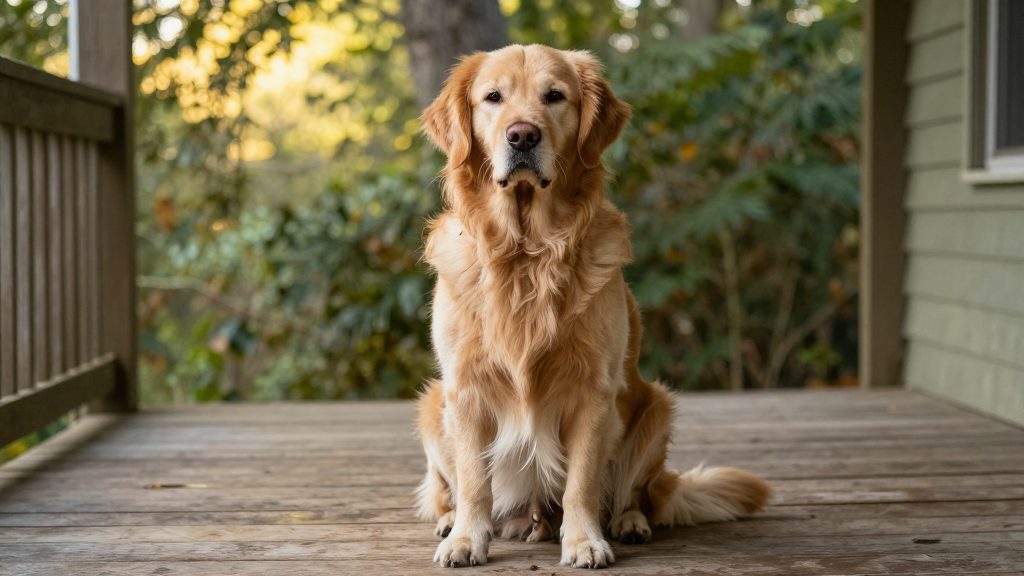
How to Calculate Your Dog's Daily Food Intake?
You should provide 300-500g of food per day for a dog weighing 10kg, which is equivalent to 3-5% of their body weight. For example, a 10kg dog should receive approximately 300g (3%) per day, while 500g (5%) would be considered overfeeding. It is essential to check the calorie density of the food. For example, if a food contains 350kcal per 100g, you would need approximately 114g to provide 400kcal.
- Check the energy content (kcal/100g) on the food's nutritional information label (e.g., 350-420kcal).
- Daily total calorie intake = Body weight × 30-40kcal (adjust based on activity level).
- Example: A 15kg dog with moderate activity requires approximately 15 × 35 = 525kcal per day.
- Calculate the amount of food based on this calorie target (e.g., for a food containing 380kcal per 100g, you would need approximately 138g).
Should You Divide Your Dog's Daily Food Intake into One or Two Meals?
Two meals (breakfast and dinner) are generally ideal. However, sudden changes in meal frequency can cause digestive problems. If you only feed once a day, it can lead to decreased appetite and fatigue, and consuming more than 70% of the daily calorie intake in a single meal can put strain on the digestive system.
- One meal per day: Increased risk of digestive issues, increased potential for fat accumulation.
- Two meals per day: Improved digestive stability, easier weight management.
- Three or more meals per day: Recommended only for puppies, senior dogs, or those with specific health conditions.
Example: A 12kg Newfoundland dog eating a food containing 400kcal per 100g requires approximately 500kcal per day. Dividing this into two meals would require approximately 250g of food per meal (approximately 62.5g per meal, as 400kcal is provided per 100g).
What Eating Patterns Are Most Effective for Maintaining a Healthy Weight?
Controlled calorie intake and regular weight monitoring are key. A stable weight loss rate of 0.5kg or less per month is ideal. If your dog gains more than 1kg in six months, you should reduce their food intake by 10-15% of the original amount.
- A Shiba Inu weighing 20kg should receive approximately 400g of food per day.
- After three months, if their weight increases to 21.5kg, reduce the amount to 360g (a 10% reduction).
- If abdominal fat is noticeable, limit treats to no more than 10% of their total daily calories.
✅ Additional Information: Food typically contains an average of 3-5kcal per 10g, while high-calorie treats (functional treats) can contain 6-12kcal per 10g.
How Should You Adjust Your Dog's Food Intake if They Are a Senior or Have a Medical Condition?
Senior dogs (7 years of age and older) should have their food intake reduced by 10-20% and then maintained at that level. For example, if a 15kg dog is over 7 years old, reduce their food intake from 400g to 360-380g. If they have conditions such as obesity, diabetes, or heart disease, consult with a veterinarian and consider switching to a low-protein or low-fat food.
- Total daily calorie intake (including treats): Recommended to reduce by 15% or less than normal.
- Example: For a diabetic dog, maintain their total daily intake at 400kcal or less and use a food with a low carbohydrate content.
- For senior dogs, consider using a food that contains essential nutrients (e.g., DHA, collagen).
Frequently Asked Questions
Q. What is the maximum number of times can a dog eat from a 1kg bag of food? A. A 1kg bag of food typically lasts for about 30 days. For an adult dog weighing 10kg, using 300g per day, the bag should last for about a month. However, calorie content can vary significantly between different foods, so always check the recommended serving size on the package.
Q. My dog doesn't finish all of their food. Should I throw it away? A. Discard any food that has been left out at room temperature for more than 1 hour, but dry food can be stored for later use. However, any food that has not been eaten for more than 10 minutes should never be reused due to the risk of microbial contamination. If your dog consistently leaves food uneaten, it's important to check for signs of decreased appetite or vomiting.
Q. How much meat-based food is safe to feed? A. Meat-based foods can be fed in moderation, but it is recommended to limit them to no more than 60% of their total daily intake. Excessive consumption can lead to protein overload and kidney problems. This is especially important for breeds with long coats (e.g., Afghan Hound), which may be more sensitive to high-protein diets.
Key Takeaways
- For a 10kg dog, the recommended daily food intake is 300-500g, adjusted based on calorie density.
- Two meals per day are ideal, and feeding only once a day can increase the risk of digestive issues.
- Adjust food intake based on weight changes: A stable weight loss rate of 0.5kg or less per month is ideal.
- For senior dogs or those with medical conditions, consult a veterinarian to change their food and reduce calorie intake by 10-20%.
- Limit treats to no more than 10% of their total daily calories, and limit meat-based foods to no more than 60% of their intake.
📌 Important Note: All dogs have individual dietary needs, so it is essential to limit treats, including meat, fruits, and vegetables. The recommended serving size on the food package is just a guideline, and you should adjust it based on your dog's individual health status and activity level.
Related posts
Essential for Dog Owners: How to Calculate Your Dog's Age and 5 Key Stages of Their Life Cycle.
Reasons why cats shouldn't open refrigerators: Understanding the risks of food for pets, and safety standards illustrated through real-life examples.
Reasons why dog owners dislike being alone: Understanding the underlying causes and effective solutions.
Cat and dog communication breakdown? Four realistic problems faced by "dogs that act like humans."
Popular posts
Essential for Dog Owners: How to Calculate Your Dog's Age and 5 Key Stages of Their Life Cycle.
Reasons why cats shouldn't open refrigerators: Understanding the risks of food for pets, and safety standards illustrated through real-life examples.
Reasons why dog owners dislike being alone: Understanding the underlying causes and effective solutions.
Comments 0