Service Passion Adoption Guide: How to Prepare for Arrival
"Choosing a companion is a lifelong commitment that requires understanding the specific needs of different animals."
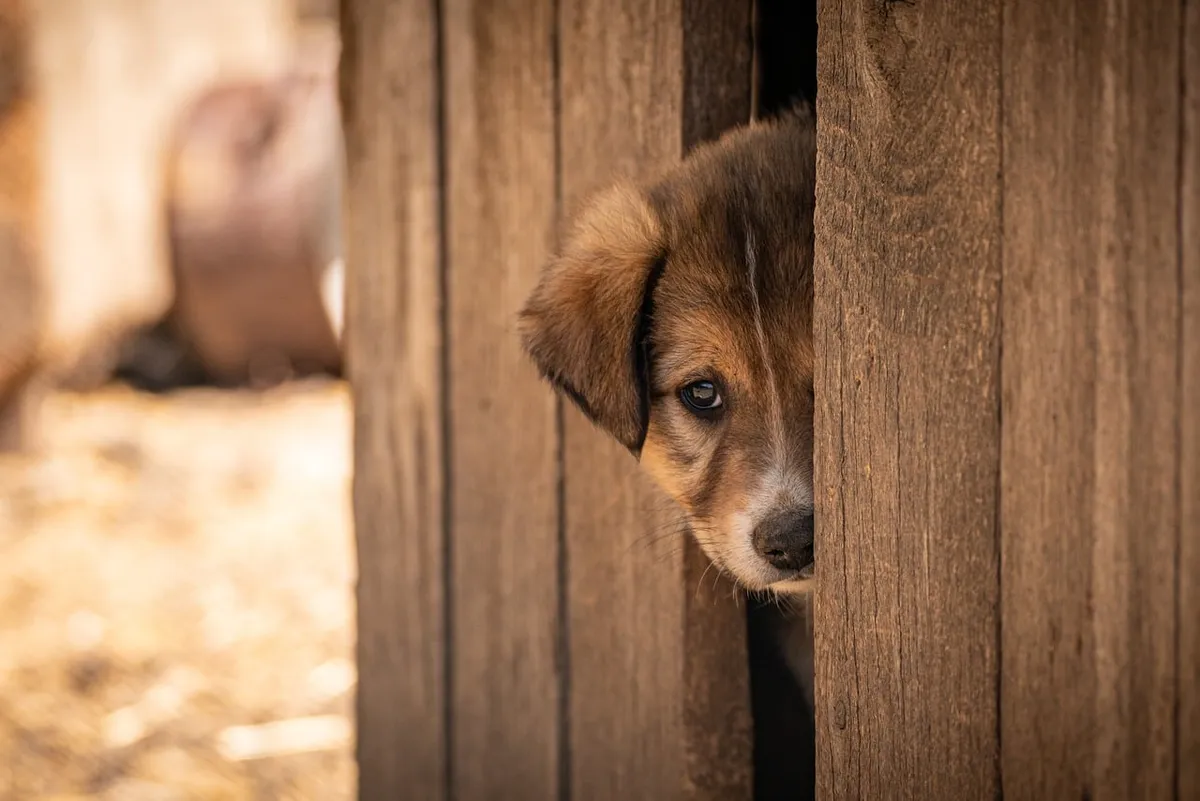
A Service Passion Adoption Guide focuses on matching unique breed traits with the lifestyle of a prospective owner. This guide provides essential insights into breed-specific requirements, necessary preparation steps, and potential lifestyle adjustments. 1. Understanding breed-specific temperament and energy levels 2. Preparing your home environment for a new arrival 3. Evaluating long-term commitment through health and grooming needs
What exactly is a Service Passion Adoption Guide? Walking through a pet shelter, a person might see a high-energy working dog and a calm lap dog side by side. A Service Passion Adoption Guide serves as a roadmap to navigate these vast differences in temperament and physical needs.
Because every breed carries unique genetic traits, a general approach often fails to address specific requirements. This guide ensures that owners recognize the distinct energy, size, and intelligence levels of the animal they intend to bring home.
The process begins with an honest assessment of one's current living situation. A successful transition depends on matching the animal's natural instincts with the owner's daily routine.
How to prepare for breed-specific adoption?
During the bright morning in the empty living room, I knelt to check the sturdy gates, knowing this service to my future pet was essential.
An empty living room sits waiting for a new resident, with crates and bowls ready for use. To implement effective Breed Specific Adoption, one must first audit their own schedule and space.
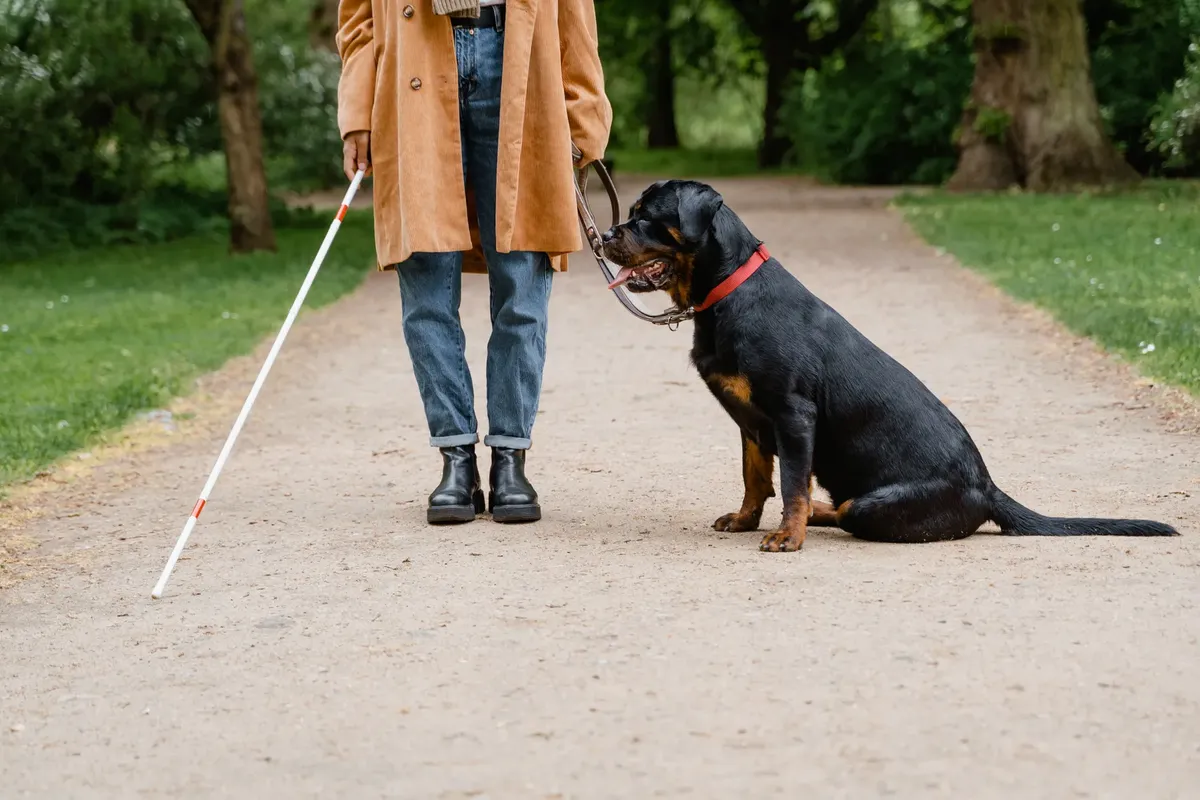
The first step involves researching the specific breed's activity requirements to ensure you can meet their physical needs. Second, you must secure your home against breed-specific tendencies, such as digging or jumping.
Third, establish a consistent routine that aligns with the animal's natural sleep and activity cycles.
I once spent an afternoon comparing the high-energy needs of a Border Collie against the sedentary nature of a Bulldog to see which fit my walking schedule better. This comparison is vital for long-term success.
According to USDA, the 2016 record includes 61%.
What are the essential steps for new owners? A person sits at a kitchen table, carefully writing down a checklist of supplies. Following an Essential Adoption Guide requires a structured approach to minimize stress for both the pet and the human.
- Research the breed's common health issues to prepare for potential veterinary costs. 2. Set up a dedicated, quiet space in your home for the animal to acclimate. 3. Consult with a professional trainer to understand the breed's specific socialization needs.
A final check involves verifying that your local housing regulations allow for the specific size or type of animal you are adopting. This prevents legal or residential complications later.
Understanding pet adoption tips for different lifestyles
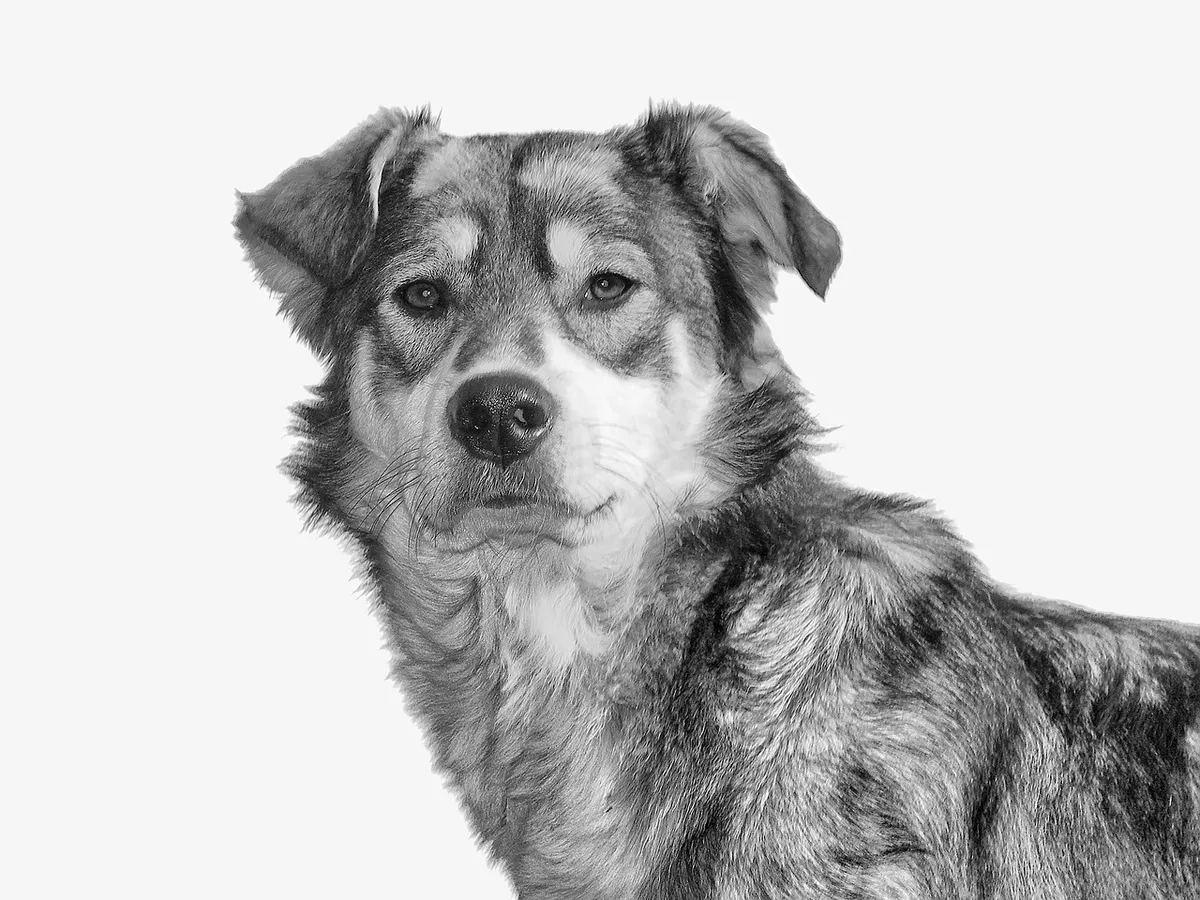
A quiet suburban house contrasts with a busy city apartment, each offering different opportunities for a pet. Utilizing Pet Adoption Tips helps clarify how environment affects animal well-being.
For those in smaller living spaces, selecting low-energy breeds is a common strategy. Conversely, individuals with large yards might find success with breeds that require significant outdoor time.
The goal is to prevent behavioral issues caused by environmental mismatch. A dog that needs to run for hours will struggle in a small studio apartment without regular, vigorous exercise.
What are the dog adoption precautions to consider?
A prospective owner looks closely at a dog's eyes, wondering about its history and future health. Regarding Dog Adoption Precautions, one must look beyond initial charm to long-term realities.
According to the OECD, this test was removed from OECD international guidelines in 2002, replaced by methods such as the fixed dose procedure, which use fewer animals and cause less suffering.
According to the USDA, in 2016 501,560 animals (61%) (not including rats, mice, birds, or invertebrates) were used in procedures that did not include more than momentary pain or distress.
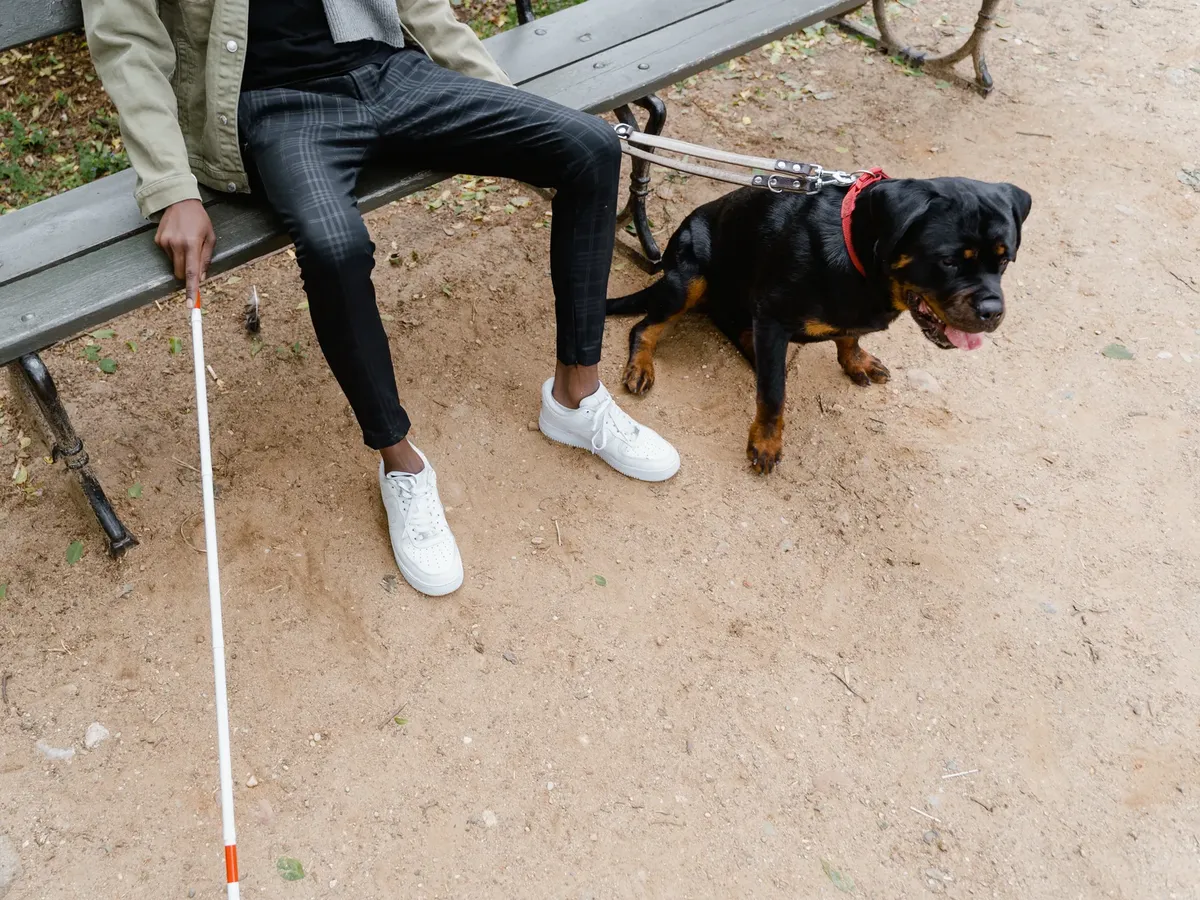
It is crucial to consider the potential for separation anxiety or noise sensitivity in certain breeds. Additionally, the cost of specialized grooming or dietary needs can be a significant factor in the total cost of ownership.
Always investigate the genetic predispositions of the breed to avoid being caught off guard by sudden health issues. This foresight is the foundation of responsible pet ownership.
The same subject is also called Adoption Process Guide.
This part also covers Breed Specific Adoption Tips.
This part also covers How to Adopt a Dog.
Related
- High-drive dog 3 tips for optimal health and training
- Pet Insurance Guide: Why Modern Owners Spend More
When is a Companion Animal a Good Fit?
A Service Passion Adoption Guide helps determine if a dog is a suitable companion for a potential owner. This assessment weighs the animal's inherent needs against the owner's capacity to provide those needs throughout the animal's life.
The compatibility hinges on a mutual acknowledgment of the animal's inherent drives and the owner's ability to sustain them.
Choosing a companion requires looking beyond immediate affection. It demands a realistic view of the animal's lifelong maintenance, including its exercise regimen and specialized care.
This realistic appraisal prevents mismatched expectations from causing future distress for either the dog or the owner.
What challenges arise when mismatch occurs?
A mismatch between the animal's needs and the owner's lifestyle often leads to behavioral problems in the dog. When the owner cannot meet the high-energy demands of a certain breed, the animal may become anxious or destructive due to unmet instinctual drives.
This mismatch strains the bond between the dog and the owner.
How does the commitment level affect the relationship?
The commitment level dictates the depth of the bond between the dog and the owner. A Service Passion Adoption Guide emphasizes that this relationship is not temporary; it is a lifelong endeavor. This understanding shifts the focus from immediate affection to sustained responsibility.
The owner must commit to the animal's entire lifespan, which includes predictable phases of health and activity. This sustained view is crucial for a successful Choosing companion relationship.
What does the owner need to commit to?
The owner needs to commit to the animal's lifelong maintenance needs. This includes providing a consistent exercise regimen and addressing specialized care requirements as they arise. This realistic appraisal prevents future distress for either the dog or the owner.
The initial decision to adopt must be followed by a sustained willingness to meet the animal's evolving needs. This commitment extends through periods of high energy and periods of reduced activity.


Comments 0