Breed specific training needs: Dog training difficulty match
An effective dog training difficulty match requires understanding that breed-specific traits directly influence how a pet responds to commands and environmental stimuli. Success depends on aligning training methods with a dog's natural instincts, energy levels, and cognitive needs.
Key takeaways: * Assess breed-specific traits to determine the appropriate training difficulty match. * Match exercise requirements and mental stimulation to the dog's natural temperament. * Recognize that training needs vary significantly between working breeds and companion breeds.
How to approach a dog training difficulty match?

A trainer stands in a quiet park, holding a treat while observing a high-energy puppy attempting to focus amidst rustling leaves. Developing a dog training difficulty match begins with observing the specific temperament and instinctual drives of the animal.
Every dog possesses a unique genetic blueprint that dictates how they process instructions. Some breeds are naturally inclined to focus on a single handler, while others are easily distracted by scents or other animals.
A successful dog training difficulty match involves identifying these predispositions before introducing complex tasks. For instance, a herding breed might require constant mental engagement to prevent destructive behaviors, whereas a lap dog might thrive on shorter, more frequent sessions.
Ignoring these natural inclinations can lead to frustration for both the pet and the owner. If a high-drive dog is not given enough physical outlet, the training sessions may fail due to excess energy. Conversely, a low-energy breed may lose interest if the tasks are too physically demanding.
Understanding these nuances ensures that the training remains productive and engaging.
- Assess the dog's current responsiveness to commands.
- Identify specific environmental triggers causing friction.
- Adjust the training intensity to meet the dog's current capability.
Why is breed-specific training needs important?
As the hot sun beats down on the city street, I tighten my grip on the leash to manage the stubbornness of this unique breed.
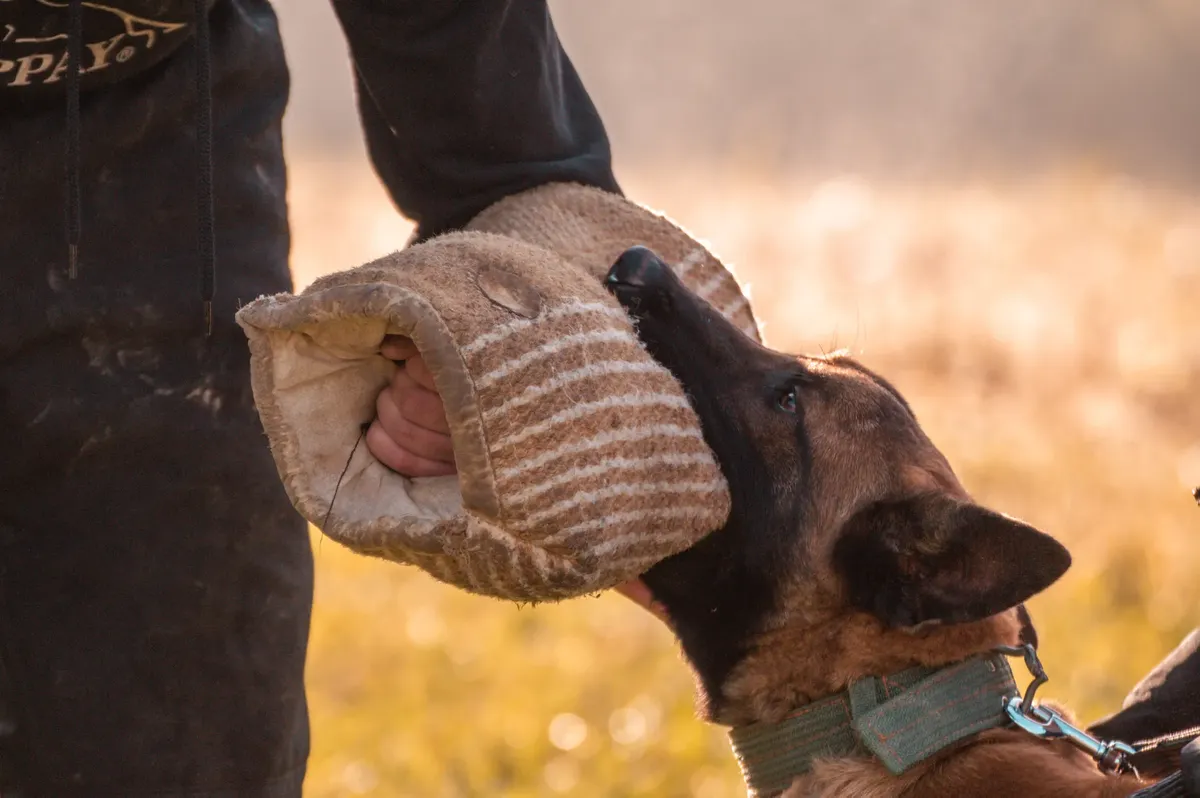
A handler walks through a busy city street, attempting to maintain eye contact with a stubborn terrier. Addressing breed-specific training needs allows owners to prepare for the unique challenges posed by different genetic lineages.
Certain breeds were developed for specific tasks, such as hunting, guarding, or herding, which shapes their learning style. A hunting dog might have a high prey drive that complicates leash training, requiring a specialized approach to redirection.
A guardian breed might be more prone to territoriality, necessitating early socialization and clear boundary setting. By acknowledging these traits, owners can tailor their strategies to work with, rather than against, the dog's nature.
Failing to account for these specialized traits can result in behavioral issues that are difficult to correct later in life. Training should not aim to change the dog's essence but to channel it into socially acceptable behaviors.
This proactive approach builds a stronger foundation for long-term cooperation.
In this sequence, the first step is the most critical.
How do I manage my pet's training levels?
As the hot sun beats down on the city street, I tighten my grip on the leash to manage the intensity of this stubborn breed. A person sits on a living room rug, patiently repeating a basic sit command with a young puppy. Using a pet training level guide helps owners transition from basic obedience to more advanced behavioral management.
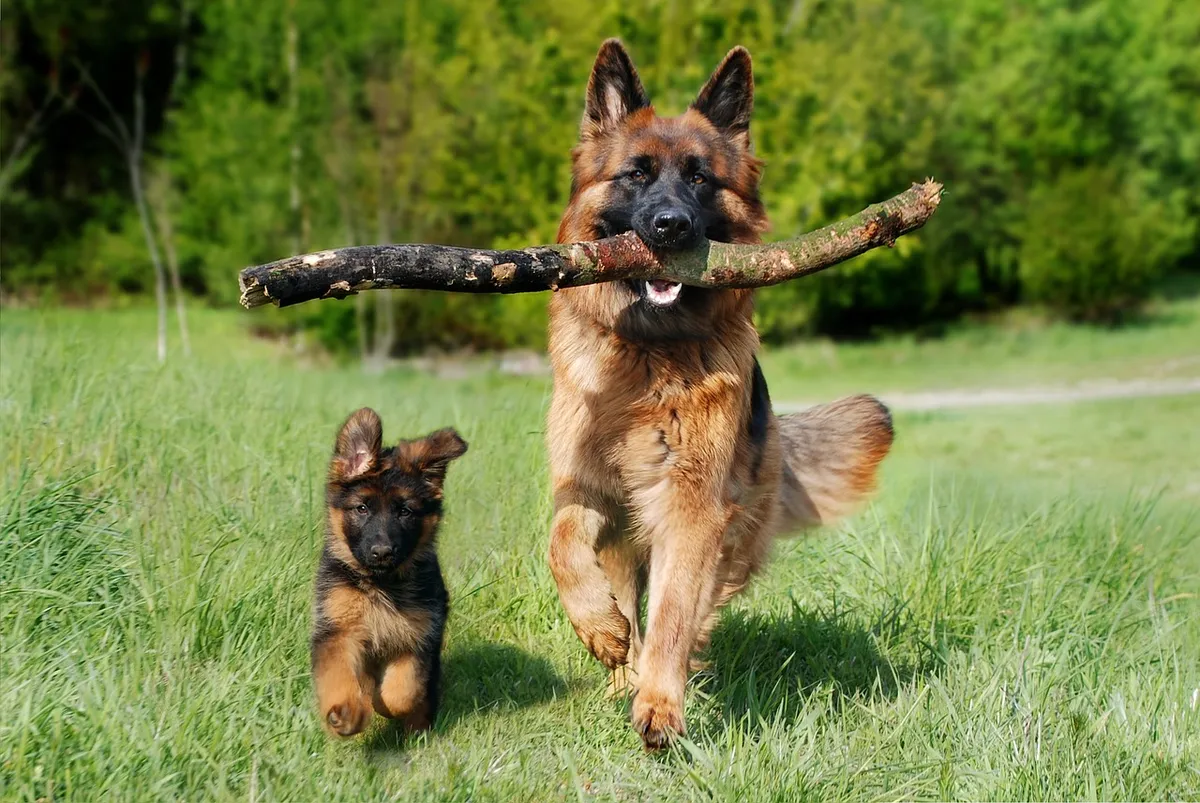
The progression of learning should follow the dog's current capability and maturity. Beginners should focus on engagement and basic commands like sitting or staying to build a rapport.
Once these foundations are solid, the difficulty can be increased by introducing distractions or more complex tasks. This gradual escalation prevents the dog from becoming overwhelmed or losing interest in the training process.
Effective progression requires consistency in both timing and reward delivery. If the difficulty level jumps too quickly, the dog may become anxious or shut down. If it stays too easy for too long, the animal may become bored and disobedient.
Maintaining a balanced pace is essential for sustained progress.
How can I match my dog's nature to a routine? An owner prepares a leash and treats, looking at the clock to ensure a walk happens before the dog becomes restless. Matching dog's nature involves integrating training into the daily lifestyle to ensure physical and mental needs are met.
A dog's natural energy levels must be reflected in their daily schedule to prevent behavioral outbursts. A high-energy dog requires vigorous exercise and mental puzzles to remain calm indoors. A more sedentary breed might only need moderate walks and short play sessions to stay healthy.
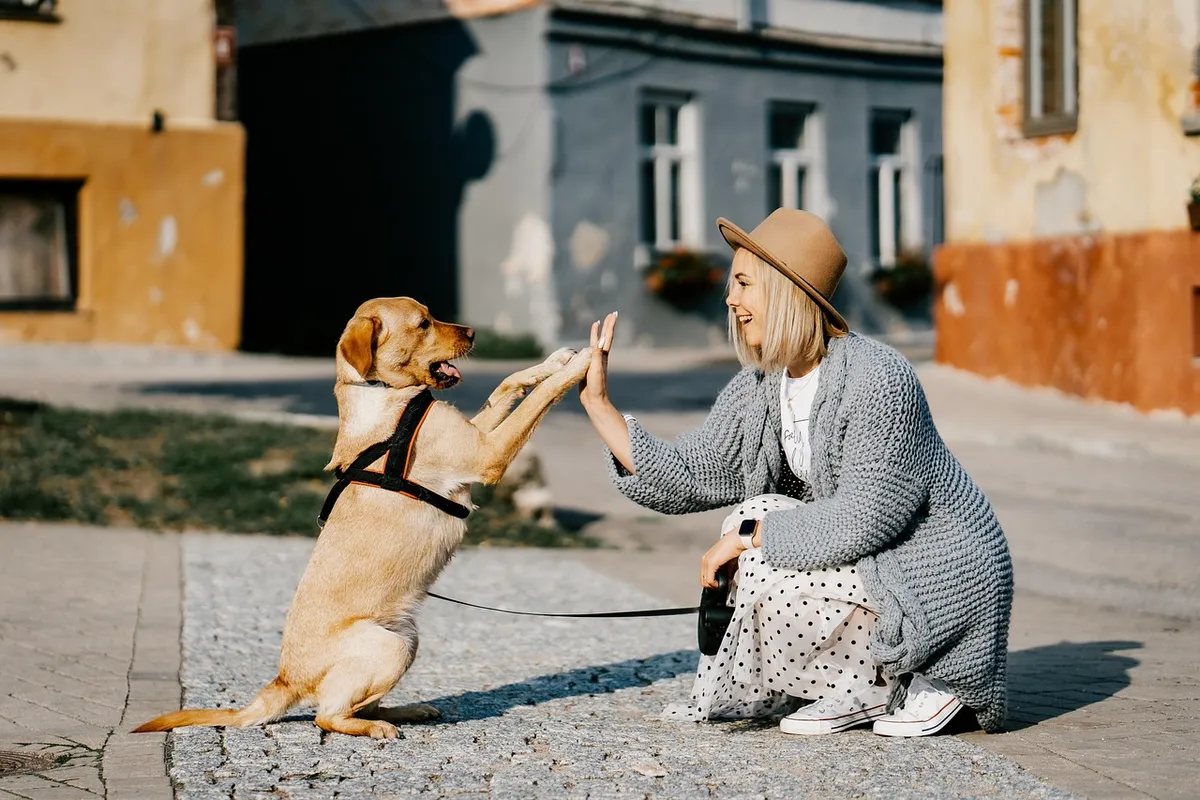
When the environment matches the animal's biological needs, they are much more likely to remain attentive during training.
Routine provides the structure that dogs crave for stability. When exercise, feeding, and training happen at predictable times, the dog learns what to expect. This predictability reduces stress and makes the animal more cooperative during structured learning moments.
Can puppy training success tips be applied to adults?
A seasoned handler works with an older dog, using food lures to guide them through a new movement. While puppy training success tips often focus on socialization and basic habit formation, the core principles of positive reinforcement apply to all ages.
The fundamental mechanics of learning—rewarding desired behaviors and ignoring undesirable ones—remain constant regardless of the dog's age.
For puppies, the focus is often on impulse control and socialization, whereas for adult dogs, it may involve refining existing skills or addressing ingrained habits. The key is to remain patient and use age-appropriate motivation.
While puppies are often more physically capable of learning new things quickly, older dogs can still be highly trainable. The method of delivery might change, but the goal of clear communication remains the same. Adapting the approach to the dog's life stage is a vital part of successful training.
Advanced dog behavior help and consistency
A trainer uses hand signals to guide a large dog through an obstacle course in a training field. Seeking advanced dog behavior help is often necessary when standard obedience is insufficient for specific behavioral challenges.
When a dog exhibits complex issues like separation anxiety or extreme reactivity, specialized knowledge is required. These situations often demand a deeper understanding of canine psychology and more sophisticated management techniques.
Working with a professional can provide the structure needed to tackle these difficult behaviors safely.
Consistency is the most critical factor when dealing with advanced behavioral issues. If rules change from day to day, the dog will become confused and the training will fail. A unified approach among all household members ensures that the dog receives the same signals every time.
Related







Comments 0