When is the most critical window for intervention?
"The optimum period for socialization is between eight and twelve weeks."
Successful socialization strategies for new owners involve meeting diverse people and environments during specific developmental windows. This guide covers the importance of early interaction, the critical fear period, and how to handle the transition from birth to adulthood.
Key takeaways include identifying the peak socialization window, understanding developmental fear periods, and balancing genetic traits with environmental exposure.
Why is early socialization so vital?
In the quiet morning light, a tiny puppy trots through the meadow while beginning its vital socialization.
A young puppy trots through a grassy park, sniffing new scents and meeting strangers for the first time. Identifying the right timing for a Dog socialization guide is essential because the window for learning is narrow.
According to the Better Business Bureau, the southwest corner of Missouri is considered the national hot spot of the puppy industry, with the state housing approximately 1,600 puppy mills as of 2018.
The socialization period occurs between 4 weeks and up to 14 weeks of age. During this time, the brain is highly plastic and receptive to new stimuli. The optimum period for socialization is specifically between eight and twelve weeks.
The American Kennel Club and professional animal trainers advise that puppies should be introduced to "100 People by 12 Weeks" to ensure a wide and varied selection of people and environments. This level of exposure helps prevent future anxiety.
Puppy training tips often focus on this window because it shapes long-term behavior. While puppies can remain juveniles for up to 12–18 months, the foundational work happens much earlier.
Building a positive foundation during these formative weeks helps prevent anxiety and reactivity in adulthood.
How do breed specific needs affect socialization? Dog socialization guide
A breeder examines a small litter, noting how much weight each newborn carries. Understanding how breed-specific needs influence training is a crucial part of any Dog personality traits discussion.
Puppies generally weigh 250–450 grams (8–16 oz) shortly after birth, depending on the breed. These physical differences mean that larger breeds might require more controlled environments during early walks compared to smaller ones.
Breed alone is only responsible for about 9% of individual personality differences. While genetics play a role, about 25% of personality traits are determined by genetics, with the rest determined by the environment.
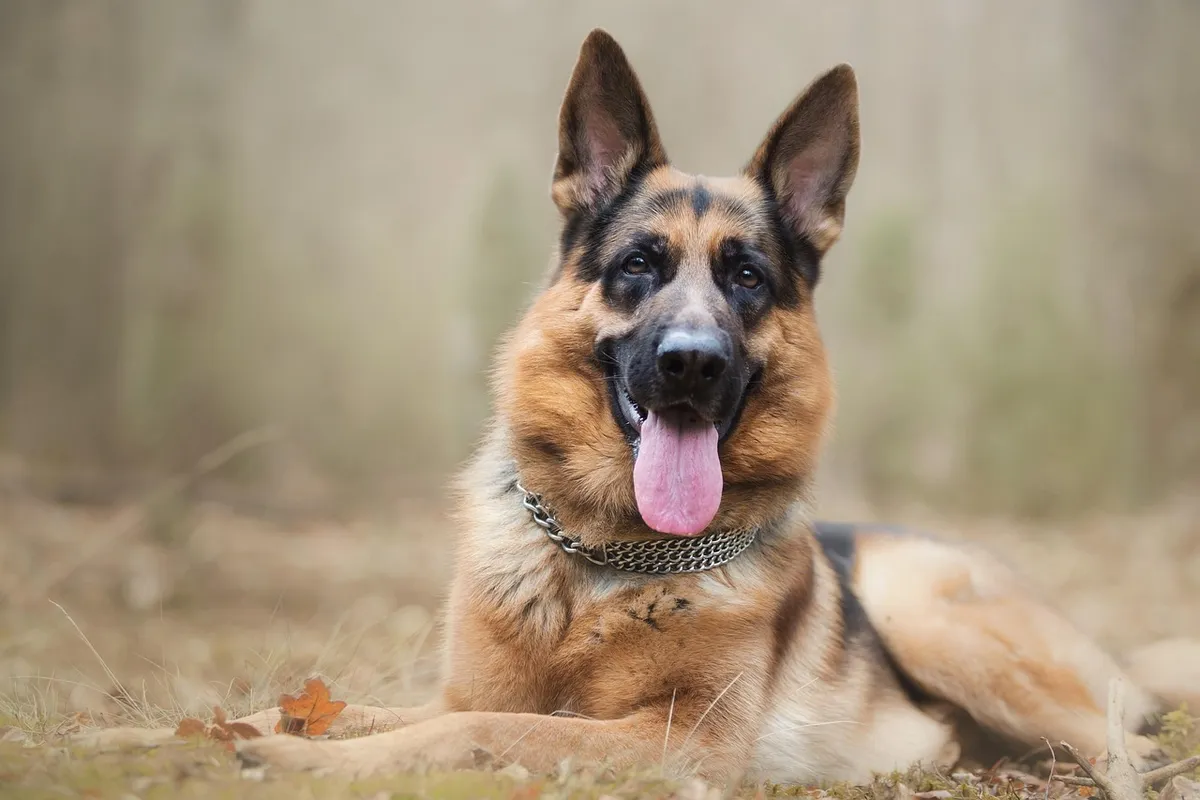
Socializing pets early helps mitigate the influence of specific breed temperaments. Because environment plays such a large role, consistent exposure helps shape a well-adjusted adult dog.
Certain breeds may require more controlled exposure to prevent instinctual drives from overriding training.
What is the developmental fear period?
A small dog cowers behind a chair, startled by the loud sound of a closing door. Recognizing these moments is essential when navigating puppy training tips.
Many puppies experience a developmental fear period between approximately 8 and 12 weeks of age. During this time, they may temporarily become more cautious or fearful of previously familiar people, objects, or environments.
This period can make socialization more challenging. Owners must remain patient as the puppy navigates these sudden shifts in confidence.
Because this fear period is a natural developmental stage, it is not a permanent setback. It requires gentle guidance to ensure the puppy does not become overly phobic of the world.
During this phase, puppies may suddenly become afraid of common household objects or new sounds.
How to manage the socialization process?
An owner carefully guides a puppy on a leash through a busy sidewalk, ensuring every interaction is positive. Following a structured approach is necessary for successful socialization.
To manage the transition effectively, follow these steps:
- Introduce a wide variety of people and environments during the 8-to-12-week window. 2. Monitor for signs of fear during the 8-to-12-week developmental fear period. 3. Ensure consistent, positive reinforcement during all new encounters.
I remember observing how a single unexpected noise could change a puppy's demeanor during our first week of training. It is vital to balance new stimulation with the puppy's comfort levels.
The process is not without limitations. The effectiveness of these strategies can be influenced by the puppy's unique genetic makeup and the specific environment they are placed in.

- Introduce a wide variety of sights, sounds, and textures in a controlled environment.
- Use high-value treats to create positive associations with new experiences.
- Keep all interactions brief to avoid overwhelming the puppy's senses.
Comparison of Puppy Development Stages
| Stage | Age Range | Key Characteristic |
|---|---|---|
| Newborn | 0 Weeks | Born after ~63 days of gestation |
| Juvenile | Up to 12-18 Months | Growth and development phase |
In this sequence, the second step is the longest.
This part also covers Puppy exercise routine.
This part also covers Grooming and shedding.
Puppy exercise routine
Related
- Siberian Husky traits and history: The 20-26 inches guide
- Siberian Husky energy management 32 km distances guide
When is the most critical window for intervention?
The most critical window for intervention is during the eight to twelve-week period. This timeframe aligns precisely with the brain's highest plasticity and receptivity to new sensory input.
During this optimum period, the puppy is actively integrating environmental data into its developing neural pathways. Exposure during this time solidifies positive associations while simultaneously allowing the dog to process potential stressors.
Owners must understand that the successful integration of these experiences into the dog’s long-term behavioral profile is directly tied to this specific developmental phase.
How does the fear period relate to the optimum period?
The developmental fear period often overlaps with the optimum period for socialization. This overlap means that the puppy is simultaneously undergoing rapid learning while also experiencing natural, temporary caution regarding stimuli.
Navigating this coexistence requires the owner to provide positive experiences even when the puppy exhibits signs of apprehension. Gentle management during this overlap prevents the caution from becoming a permanent phobia.
- Introduce novel stimuli during the eight-to-twelve-week window. 2. Observe the puppy’s reactions, noting any increased caution during this developmental fear period. 3. Respond to apprehension with calm reassurance, reinforcing that the experience is safe.
The period between three and sixteen weeks is the most vital time to shape a puppy's temperament.





Comments 0