Siberian Husky energy management 32 km distances guide
"The spirit of the sled dog is not found in a quiet living room, but in the rhythmic strike of paws against frozen earth and the pulling of weight through vast, wild landscapes."
Managing Siberian Husky energy requires understanding their ancestral drive for movement and endurance. This guide explores how to channel their high activity levels through structured exercise and how to adapt their needs to a modern lifestyle.

* Recognize the biological drive for distance and speed. * Implement structured physical outlets through racing or pulling. * Understand the limitations of keeping high-drive dogs in low-activity environments.
How do I manage Siberian Husky energy?
A heavy collar rests on the table as the dog paces the room, eyes fixed on the door with restless intent. For owners, managing Siberian Husky energy means providing more than just a simple walk around the block.
These dogs were bred for endurance and were meant to cover vast distances across challenging terrain.
To satisfy their natural instincts, owners often look toward organized events like the Northern Pines Sled Dog Race in Iron River, Wisconsin.
This event features various distances, including 32-mile, 16-mile, 8.2-mile, and 4.4-mile classes, which provide the intense physical stimulation these breeds often crave.
Providing mental stimulation alongside physical work is essential to prevent destructive behaviors. Without a clear job or a way to burn off steam, the drive that once pulled a sled can turn into house-clearing energy.
Successful owners find a way to mimic the work-based lifestyle that their ancestors lived.
What are the best ways to provide exercise? Siberian Husky energy management
At sunrise, I feel the biting cold while I tighten the harness on my Siberian husky to begin the morning pull.
The sound of heavy breathing fills the air as a dog pulls against a harness during a training session. For many, the best way to manage a high-drive breed is through structured racing or weight-based activities.
These activities tap into the genetic predisposition for sustained movement and teamwork.
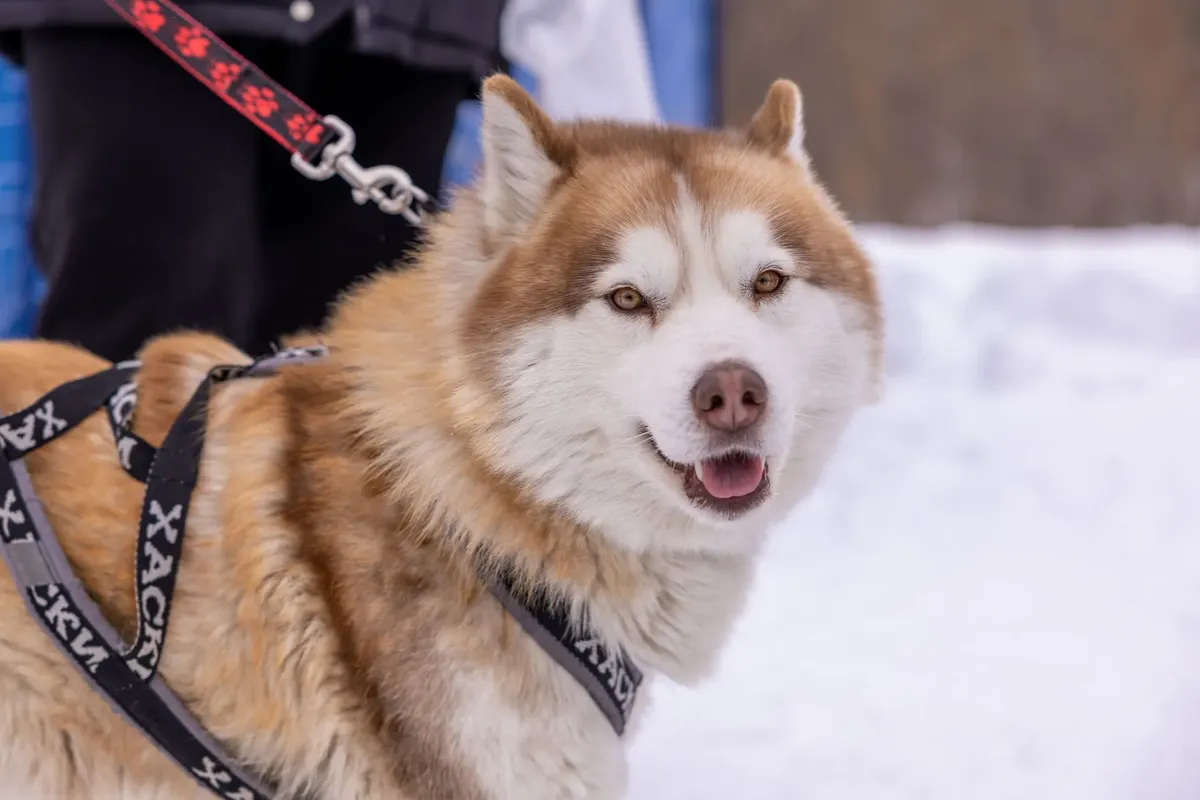
Sled dog races offer a variety of intensive physical outlets. For example, the Western Alaska Championship Sled Dog Race features a three-day sprint race covering 15–20 miles (24–32 km) in Dillingham, Alaska.
Such high-intensity engagement can help satisfy the deep-seated need for vigorous physical output.
If long-distance racing is not an option, smaller-scale activities can suffice. Some events include weight pull or kid's races, which allow for different levels of engagement. These activities provide a controlled environment to channel the breed's strength.
How can I prepare for long-distance activities?
A map is spread across a wooden table, marking out a path through snowy mountains and winding trails. Planning for high-endurance activities requires understanding the sheer scale of what these dogs can handle.
Preparing for a long-distance event is vastly different from preparing for a backyard game.
The scale of these tasks can be immense, such as the Canadian Challenge Sled Dog Races, which can reach distances of 200 miles (320 km) or 325 miles (523 km). Managing such distances requires careful attention to the dog's physical condition and the environment.
| Race Type | Typical Distance Range |
|---|---|
| Sprint Race | 15–20 miles (24–32 km) |
| Long Distance | 200–325 miles (320–523 km) |
I once looked at a map of a 200-mile course and wondered how a single dog could maintain such focus. Success in these endeavors depends on consistent conditioning and matching the dog's energy to the specific race class.
What are the challenges of high-drive dogs?
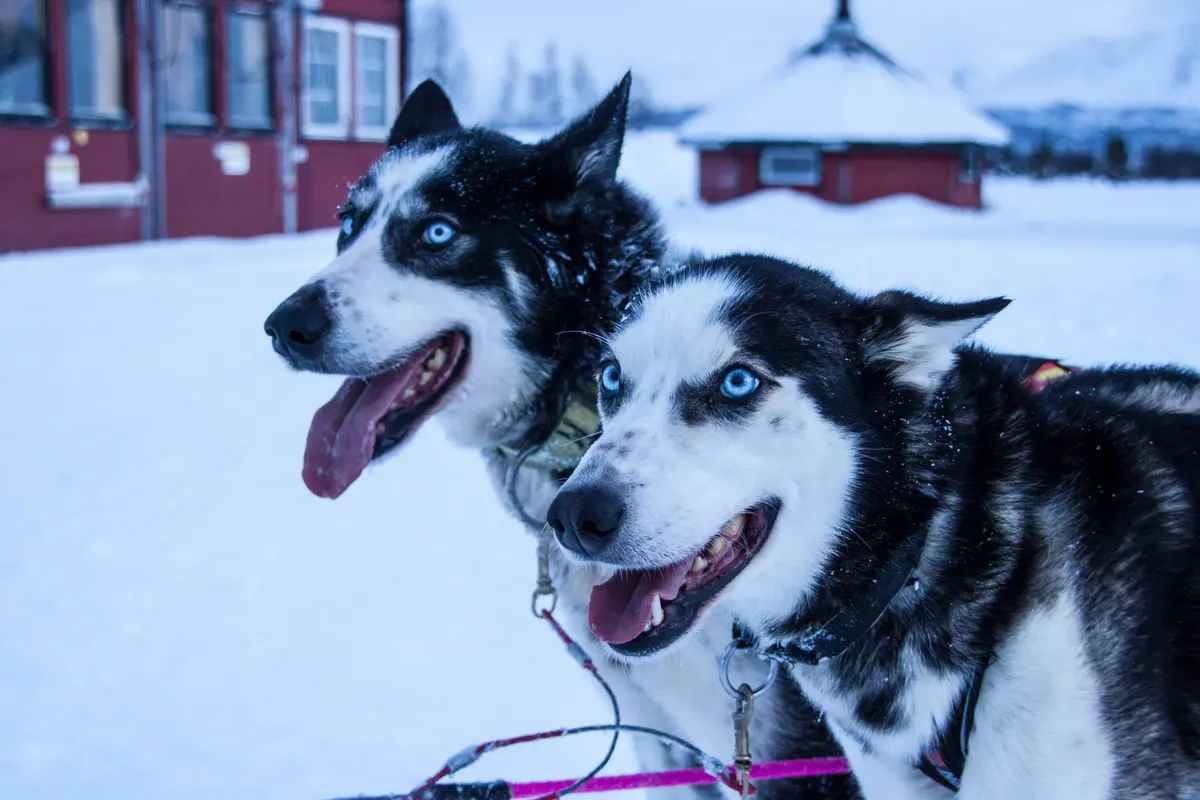
The sight of a muddy paw print on a clean floor serves as a reminder of a restless afternoon. A major challenge is when the environment does not match the dog's physical requirements. If the energy is not channeled through purposeful movement, it often manifests in problematic ways.
In environments where long-distance racing is impossible, owners must find creative workarounds. For instance, the Eagle Cap Extreme Sled Dog Race offers distances of 200 miles (320 km), 100 miles (160 km), and 31 miles (50 km) through the Wallowa Mountains in Oregon.
This highlights the extreme level of activity some individuals can handle.
A limitation of this lifestyle is that not every household can accommodate the needs of a dog built for such intense distance. While the breed's energy is a strength in the wild, it can be a significant management hurdle in a standard residential setting.
How do I structure a daily routine?
The sun rises over a frost-covered field as the first vigorous run of the day begins. Creating a routine helps provide the structure that these intelligent, active dogs require to remain calm indoors. A consistent schedule helps manage the transition from high-energy work to rest.
- Schedule vigorous morning exercise to burn off initial energy. 2. Incorporate mental tasks or training sessions to prevent boredom. going to the next step. 3. Provide a structured evening wind-down to ensure rest. 4. Perform a final check to ensure all energy needs were met for the day.
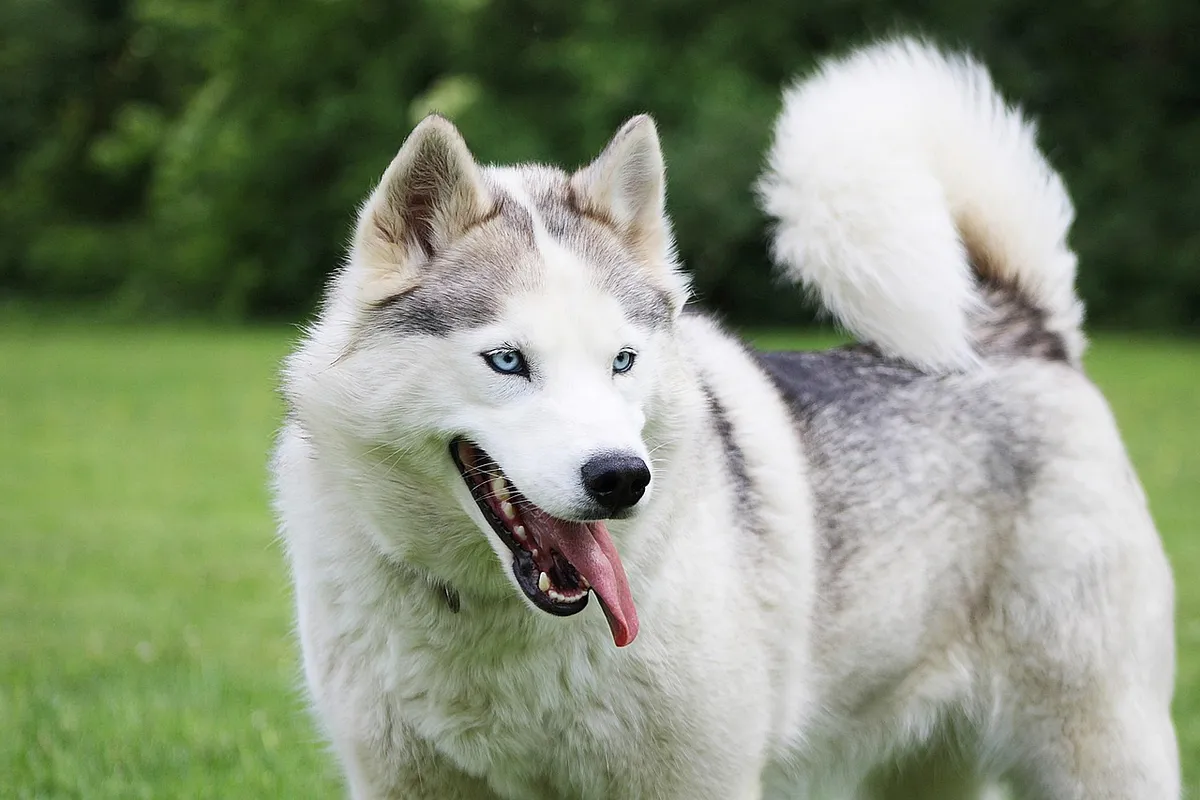
A structured routine prevents the dog from deciding when it is time to be active. By setting clear boundaries for work and rest, owners can maintain a more peaceful home environment.
- How do I manage Siberian Husky energy?
- What are the best ways to provide exercise?
- How can I prepare for long-distance activities?
The subject here is Siberian Husky energy management.
The same subject is also called Husky arctic traits.
The same subject is also called Managing Husky activity.
The same subject is also called Siberian Husky care.
The same subject is also called High energy dog living.
This part also covers Husky training for modern life.
This part also covers Understanding Husky instincts.
Related





Comments 0