Dachshund Health: 5 Essential Tips to Prevent Spinal Issues
Beyond the charming silhouette lies a complex genetic profile that requires specialized management to prevent life-altering health crises.
Understanding the intersection of the Dachshund's unique anatomy and genetic predispositions is vital for longevity. This guide breaks down the specific risks—from heart defects to spinal vulnerabilities—and provides actionable steps to keep your companion healthy.
* Understanding the intersection of the Dachsund's unique anatomy and genetic predispositions is vital for longevity. * Specific congenital risks, such as heart defects and metabolic issues, require proactive screening. * Weight management and spinal protection are the most critical daily interventions for this breed. * Early detection through regular veterinary check-ups can mitigate the impact of hereditary disorders.

What are the unique genetic and anatomical risks for Dachshunds?
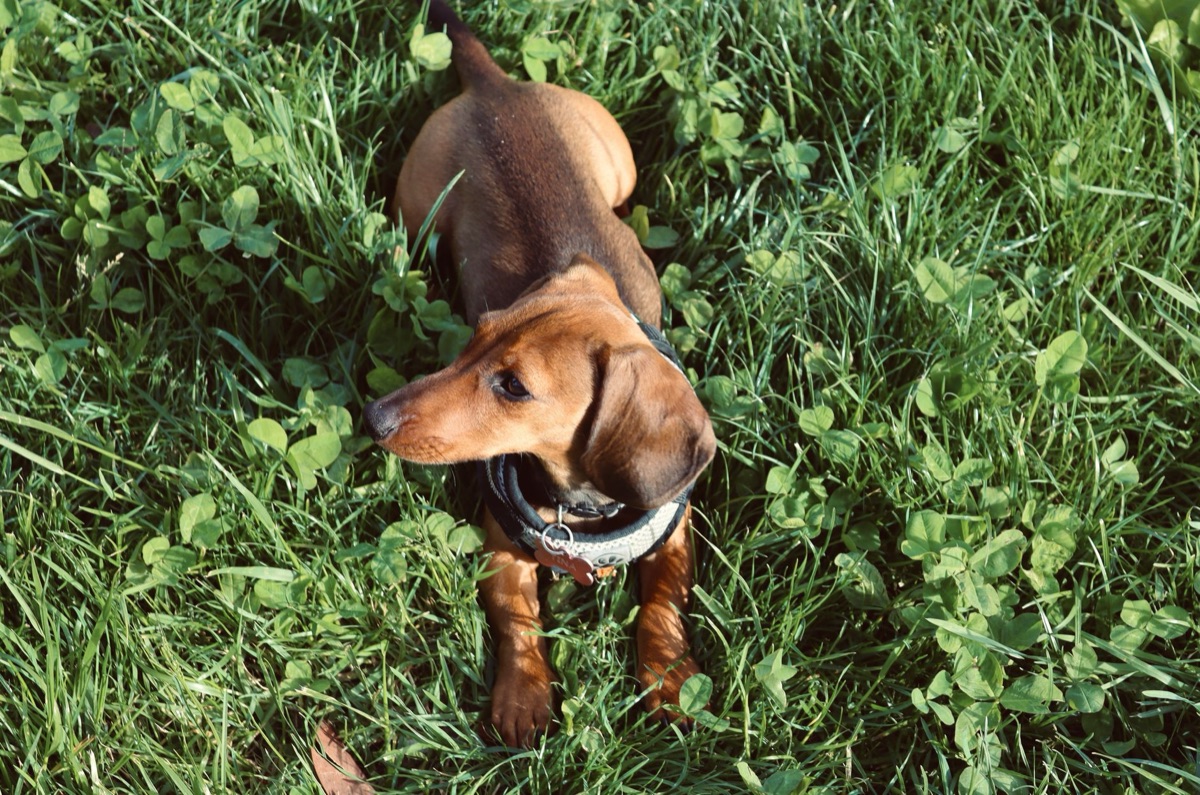
Walking through a park in the early morning, you watch a small, long-bodied dog trot eagerly through the grass, its tail wagging with infectious energy. To the casual observer, the silhouette is iconic, but beneath that coat lies a structural trade-off that defines the breed's medical reality.
The elongated spine and short limbs are the hallmark of the "Hound" group, but this morphology creates specific biological pressures. While their shape was perfected for scent-work and tunneling, it places unique stress on the skeletal system.
Beyond the spine, internal health is also shaped by genetic markers. For instance, the DACH1 (dachshund homolog s) gene expression has been linked to various systemic health issues, and reduced expression can play a detrimental role in numerous disorders.
The heart also presents a specific vulnerability. Dachshunds are 2.5 times more likely than other breeds of dogs to develop patent ductus arteriosus, a congenital heart defect, compared to many other breeds.
This means that the very structure that makes them unique also makes them statistically more susceptible to certain life-threatening conditions.
Because of these factors, the physical build of the breed dictates much of its medical management.
How do hereditary factors influence lifespan and mortality?
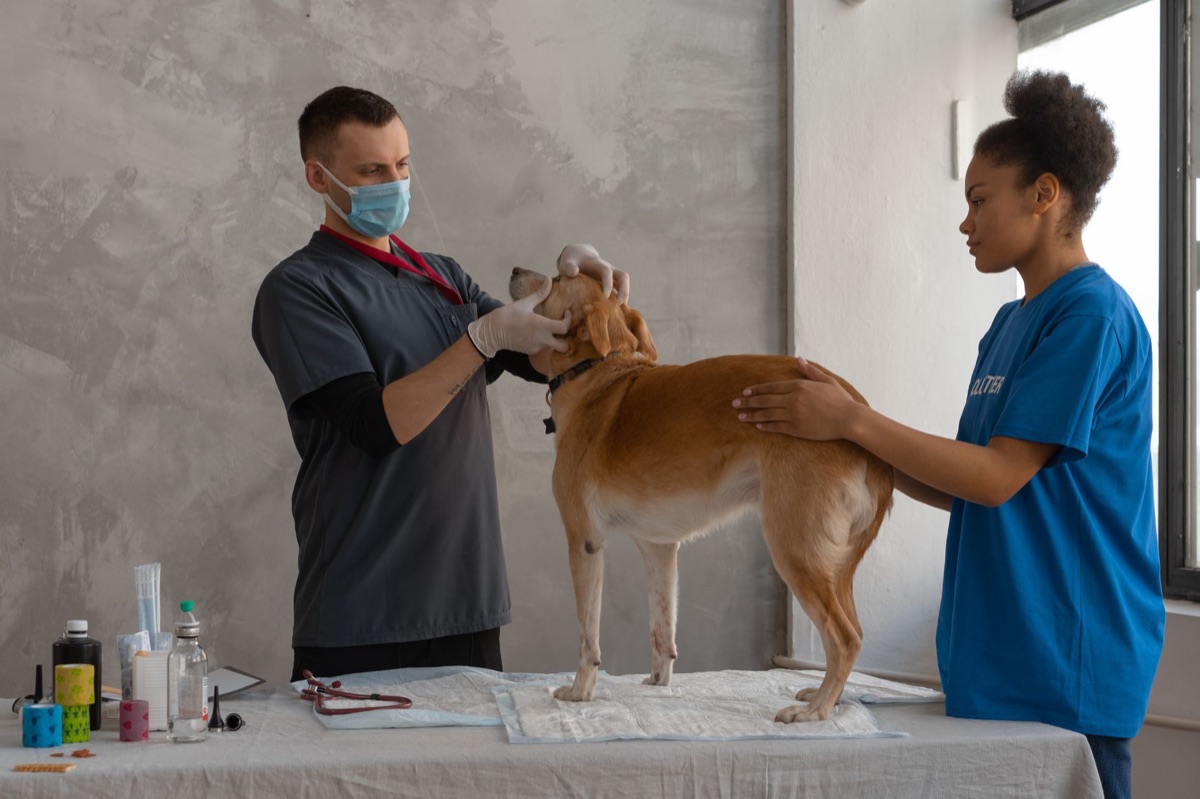
A veterinarian sits at a desk, looking over a client's paperwork while discussing the statistical realities of aging. The conversation is delicate because the numbers tell a story of genetic probability.
When breeding or selecting a puppy, the math of inheritance is constant. In certain genetic pairings, each puppy will have a 25% chance of being affected by a specific hereditary condition. This makes lineage tracking and careful breeding essential for the future of the breed.
Statistical data provides a sobering look at how these factors play out over time. A 2005 Swedish study of insurance data found that 28% of Dachshunds died by the age of 10, which was a lower mortality rate than the general breed average of 35% recorded in that study.
This highlights how much management and early intervention can impact the survival timeline.
Furthermore, metabolic health is a critical component of longevity. Research, such as that found in the Journal of Diabetes Investigation (2021), has shown that certain genetic knockdowns can lead to impaired islet cell development, significantly decreasing the number of beta cells.
This underscores the importance of monitoring metabolic health to prevent issues like diabetes or other endocrine disorders.
The trajectory of a dog's life is often set by these invisible genetic blueprints.
What are the primary physical health threats to own and manage?
The sound of a dog jumping off a sofa and landing with a heavy thud can make any owner's heart sink. This sudden impact is the primary fear for anyone living with a long-backed breed.
Spinal health is the most immediate threat. Intervertebral Disc Disease (IVDD) is a constant risk due to the breed's shape. To manage this, environmental control is mandatory. This means preventing the dog from twisting its spine or experiencing sudden vertical impacts.
Weight management is the second pillar of health. Because even a small amount of extra weight puts massive pressure on the vertebral column, maintaining a lean body condition is not an aesthetic choice—it is a medical necessity. A heavy Dachshund is at a much higher risk for spinal collapse.
Heart health also requires constant vigilance. Because the breed is 2.5 times more likely to face patent ductus arteriosus, regular cardiac screenings are essential. Combined with metabolic monitoring, these factors form the core of the physical threats owners must manage daily.
The goal is to turn these threats into manageable variables through consistent care.
How can owners build a proactive health management routine?
An owner stands in a living room, carefully placing a small plastic ramp next to a bed. This small, intentional act is the difference between a decade of mobility and a sudden medical crisis.
Building a routine requires a systematic approach to prevent the "sudden" health crisis. Follow these steps to establish a baseline:
- Professional Baseline: Schedule comprehensive veterinary screenings to establish the dog's baseline health, including cardiac and orthopedic assessments. 2. Environmental Modification: Use ramps or pet stairs for elevated surfaces. Avoid allowing the dog to jump on or off furniture. s3. Nutritional Control: Tailor caloric intake strictly to the dog's activity level. Use high-quality food to prevent obesity-related spinal strain. 4. Low-Impact Exercise: Balance the need for physical activity with the necessity of avoiding high-impact running or jumping. 5. Regular Weight Checks: Perform monthly weight checks at home to ensure the dog remains at an ideal, lean weight.
By following these steps, you move from being a reactive owner to a proactive guardian.
| Management Category | Action Item | Primary Goal |
|---|---|---|
| Spinal Health | Use ramps/avoid jumping | Prevent IVDD |
| Weight Control | Strict caloric monitoring | Minimize spinal load |
| Cardiac Health | Regular vet screenings | Early detection of defects |
| Metabolic Health | Diet-controlled nutrition | Prevent endocrine issues |
What is the complete profile of the Dachshund breed?
A handler holds a sturdy, clever-looking dog, feeling the strength in its small but muscular frame. This is the history and the reality of the breed in a single moment.
The Dachshund is a product of German heritage, originally bred as a scent hound to hunt in tunnels. This history explains their courageous and independent temperament.
They are intelligent, alert, and deeply devoted to their families, though their "big dog" attitude can sometimes lead to challenges in training.
The physical profile is distinct: * Origin and History: The German Hound heritage. * Height: Typically 20–23 cm. * Weight: Typically 7–14.5 kg. * Lifespan: 12–16 years. * Temperament: Courageous, intelligent, independent, alert, playful, and devoted.
While their personality is often characterized by high energy and boldness, their physical needs require a careful balance to ensure their long lives are lived without pain.






Comments 0