Socializing Your Tolling Retriever: 3-16 Week Guide
"A well-adjusted dog is not born; they are built through a thousand small, positive moments of discovery."
Socializing a North Wales Duck Tolling Retriever requires a strategic approach that balances their high intelligence with their intense, prey-driven instincts.
By focusing on controlled exposure during critical developmental windows and maintaining gentle engagement as they age, you can ensure this breed remains the friendly, focused companion they were bred to be.
* The Golden Window: The most critical period for development occurs between 3 and 16 weeks of age. * Quality Over Chaos: One calm interaction with a new stimulus is more effective than ten stressful, forced encounters. * Life-Long Learning: Socialization does not end at puppyhood; seniors require specialized, low-impact engagement to maintain mental health. * Breed Specificity: Tolling Retrievers need specific training to manage their "tolling" instinct (attracting waterfowl) in social settings.
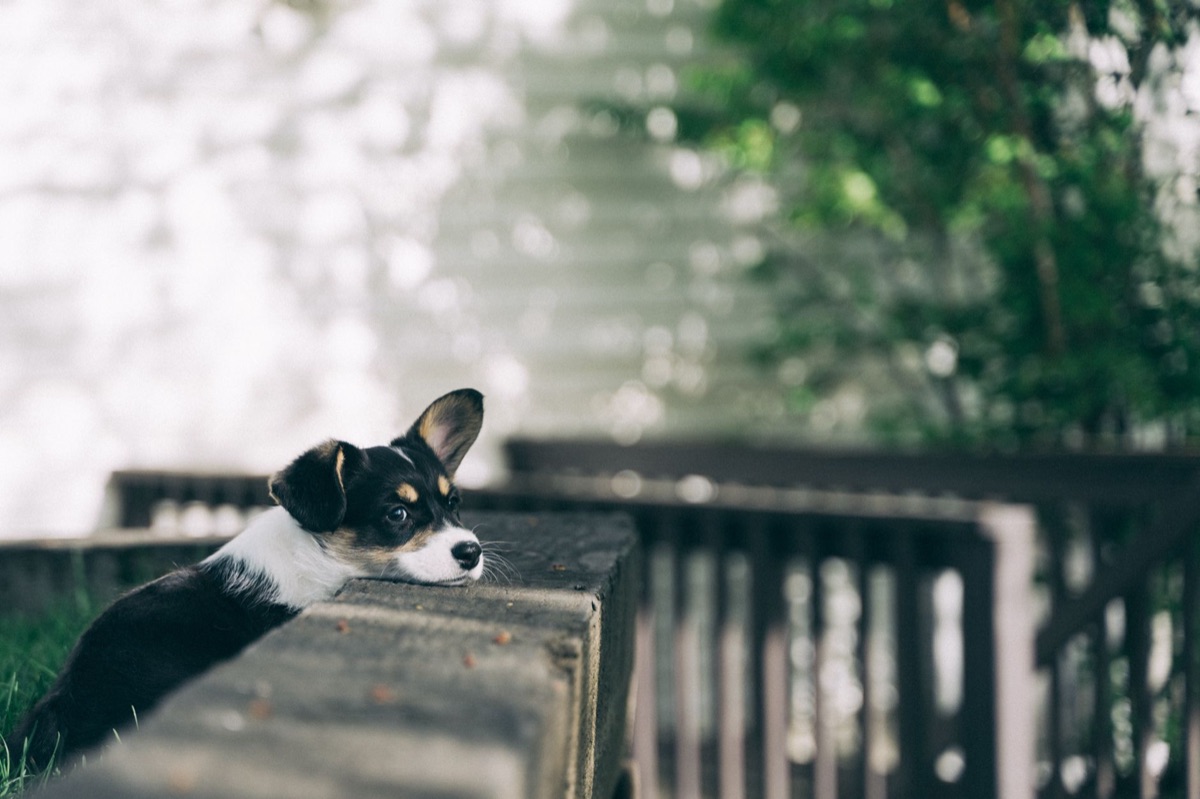
Why is socialization crucial for a North Wales Duck Tolling Retriever?
The sun hits the damp grass of a coastal trail as a young Tolling Retriever pauses, ears twitching at the distant sound of a crashing wave. This breed is unique; while they share the friendly temperament of many retrievers, they possess a high-drive, watchful nature that sets them apart.
According to data from Bangor University, there were 10,195 enrolments in 2018-19.
According to OECD data from 2018, the gross domestic product in Wales reached £75 billion.
Proper socialization leverages this inherent intelligence to prevent anxiety and reactive behaviors. Because Tollers were bred to be highly observant to attract waterfowl, they are naturally sensitive to their surroundings.
Without guided exposure, this sensitivity can easily morph into hyper-vigilance or fear.
In the diverse landscapes of North Wales—ranging from rugged mountain paths to windy coastal stretches—a dog must be comfortable with unpredictable sensory inputs. Exposure to different terrains and sounds ensures that their natural focus remains on their handler rather than on perceived threats.
Establishing this behavioral foundation early creates a dog that is confident in public, rather than one that is overwhelmed by the world. But understanding the "why" is only half the battle; timing is everything.
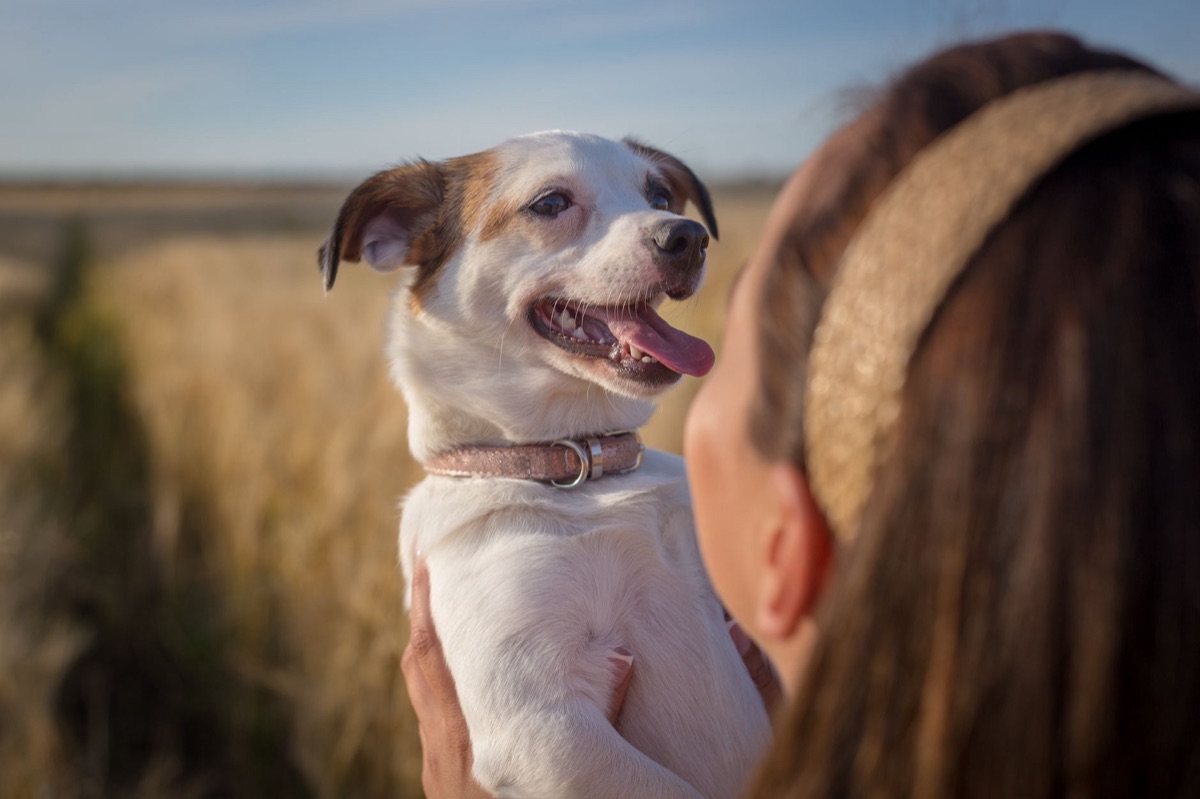
What is the optimal socialization window for a Tolling Retriever?
I remember sitting on a park bench in 2024, watching a frantic puppy lunge at every passing bicycle, realizing that the window for easy learning was rapidly closing. It is a common realization for many owners: the "easy" phase of training has a very specific timeline.
Wrexham Glyndwr University reported having 5,895 enrolments during the 2018-19 period.
Bangor University recorded 10,195 enrolments during the 2018-19 period.
The critical period for a Tolling Retriever begins as early as 3 weeks of age and extends through 16 weeks. During this time, the brain is highly plastic, meaning the dog is absorbing information about what is "safe" and "normal" in the world.
This is the time to introduce the sights and sounds of daily life.
However, socialization is not a one-time event. As the dog enters the adolescent phase—roughly between 6 and 18 months—you may notice a dip in focus. This "teenage" period often brings a surge of hormones and a desire for independence, which can temporarily undermine previous training.
Continuous, positive reinforcement during this stage is vital to reinforce the confidence built during puppyhood. But how do you actually manage this process without overwhelming them?
How should I socialize a young puppy?
The puppy rests on a soft towel, tilting its head as the low hum of a vacuum cleaner vibrates through the floorboards. This moment of curiosity, rather than fear, is the goal of every socialization session. Wrexham Glyndwr University reported having 5,895 enrolments in 2018-19.
To build a solid foundation, you must use a step-by-step approach centered on controlled introduction. You should never force a puppy into a situation that causes them to cower or bark excessively. Instead, follow this progression:
- Neutral Environment: Start in your home with low-intensity stimuli like different floor textures (tile, carpet, hardwood).
- Sound Desensitization: Play recordings of traffic, thunderstorms, or sirens at a very low volume (try 10-20 decibels) while providing high-value treats.
- Controlled Public Exposure: Visit a park during a quiet hour, perhaps around 10:00 AM on a weekday. Observe people and other dogs from a distance of at least 20 feet where the puppy remains calm.
- Positive Reinforcement: Always reward the "calm" response. If the puppy looks at a stranger and then back at you without lunging, give them a treat immediately.
| Stimulus Type | Example | Goal for the Puppy |
|---|---|---|
| Tactile | Grass, Gravel, Pavement | Confidence in movement and footing |
| Auditory | Doorbells, Sirens, Wind | Lack of startle response |
| Visual | Umbrellas, Bicycles, Children | Recognition of diverse shapes/movements |
| Social | Calm Adults, Gentle Dogs | Positive association with companionship |
While this works for the young, the needs of a dog change as the years pass.

What about socializing an older or senior Duck Tolling Retriever?
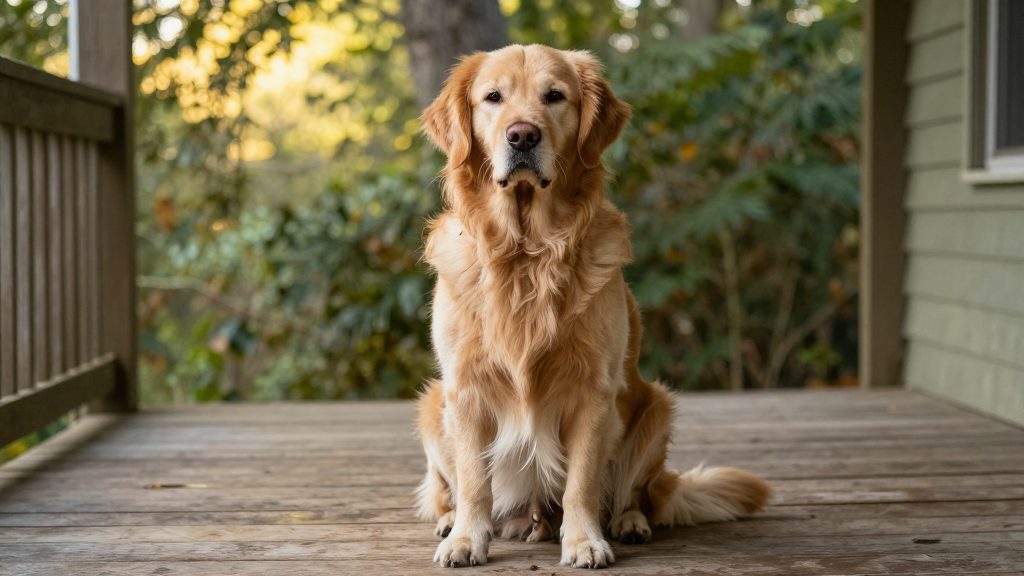
An old dog sighs deeply, resting its chin on a worn rug as the afternoon light fades. For a senior retriever, the "socialization" conversation shifts from excitement and discovery to comfort and cognitive maintenance.
Senior dog psychology is often influenced by physical changes. Arthritis, declining vision, or hearing loss can make a once-bold dog appear shy or even grumpy. If a senior dog begins to show fear or guarding behaviors, the approach must be gentle.
You are not training a student; you are supporting a companion.
For behavioral correction in seniors, use gradual desensitization. If a senior dog is startled by loud noises, do not force them to "face their fear." Instead, create a "safe zone" and slowly introduce the stimulus at a distance that does not trigger a stress response.
Focus on low-impact social outings, such as short 15-minute walks in quiet areas, to keep their minds engaged without overtaxing their bodies. But even for seniors, the environment itself plays a massive role.
What does "good socialization" look like in practice?
The wind picks up, swirling autumn leaves across the sidewalk, and the dog stays tucked firmly by my side, ignoring the distraction. This is the hallmark of a well-socialized dog: they are aware of the world, but they are not controlled by it.
It is essential to prioritize quality over quantity. It is far better to have one single, successful interaction with a calm, well-behaved dog than to take your puppy to a chaotic dog park where they are overwhelmed by barking and lunging animals.
High-stress environments can actually create "negative socialization," teaching the dog that other dogs are sources of anxiety.
When interacting with different personalities, be the advocate for your dog. If a stranger approaches too quickly or a child is too boisterous, step in and manage the interaction. Your dog needs to see that you are the guardian of their space.
Mastery of the environment means the dog feels just as comfortable in a busy outdoor cafe as they do in their own living room.
How does nutrition and wellness support socialization efforts?
The bowl clatters against the floor, and the dog's tail thumps a steady rhythm of anticipation. A well-fed, healthy dog is a much better student. The World Health Organization stated in a 2014 report that harmful alcohol consumption caused about 3.3 million deaths annually worldwide.
While socialization is primarily a behavioral endeavor, it is deeply linked to physical wellness. A high-quality, balanced diet provides the stable energy levels required for focus.
If a dog is experiencing blood sugar crashes or nutritional deficiencies, they are more likely to be irritable, anxious, or hyper-reactive to stimuli.
Furthermore, a predictable routine is a powerful tool for emotional stability. Consistent feeding times (perhaps at 7:00 AM and 6:00 PM) and regular exercise routines reduce baseline anxiety.
When a dog knows what to expect from their day, they have more "mental bandwidth" to devote to learning and processing new social experiences.
#




Comments 0