Don't let those fox-like ears and curly tails fool you; bene
Don't let those fox-like ears and curly tails fool you; beneath that adorable exterior lies a spirited, independent soul that requires more than just treats and belly rubs.
If you are looking for a "velcro dog" that follows you from room to room, a Shiba Inu might not be your best match. These dogs are famous for their cat-like independence, high intelligence, and a stubborn streak that can challenge even the most seasoned owners. To successfully bring a Shiba into your home, you must be prepared for intense shedding seasons, significant training commitment, and a personality that demands respect rather than blind obedience.
* Independent Personality: They value personal space and often act more like cats than typical "people-pleasing" dogs. * High Training Threshold: Their intelligence is paired with a strong will, requiring consistent, positive reinforcement to prevent defiance. * Extreme Shedding: Their thick double coat means hair will be a permanent fixture in your home, especially during seasonal blows. * Financial Commitment: Expect to budget for high-quality nutrition, specialized skin care, and unexpected veterinary visits.
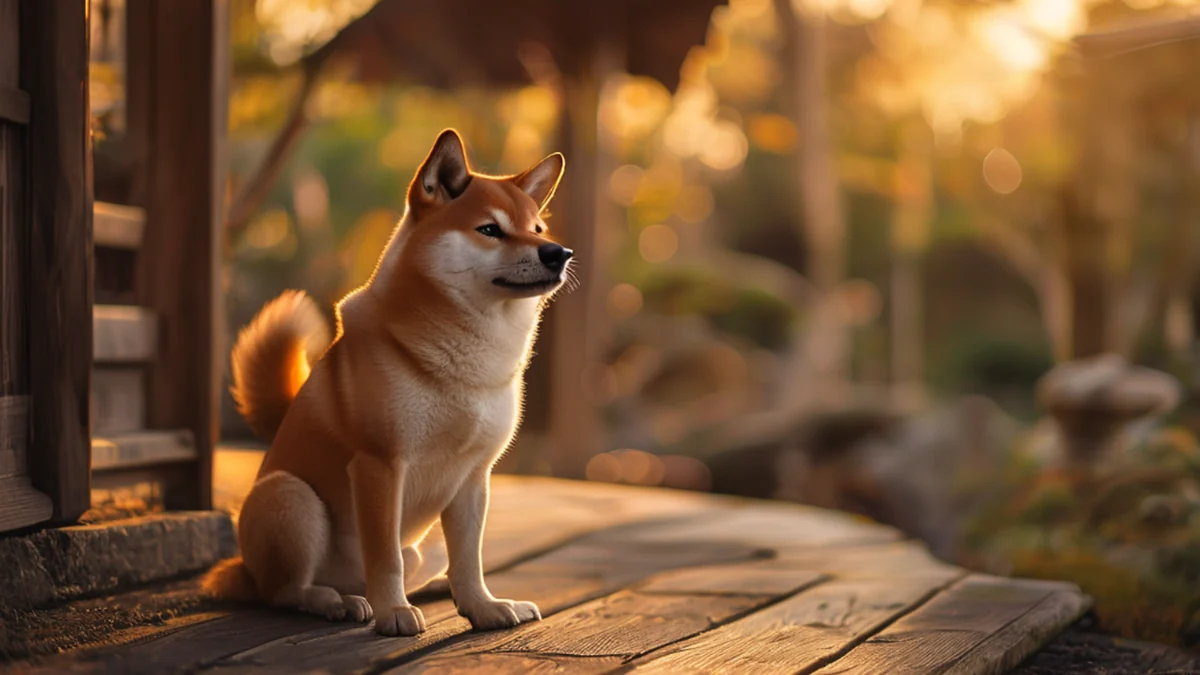
Why is the Shiba Inu taking the world by storm?
It isn't just because they look like living stuffed animals. The popularity of this breed has surged globally, driven largely by their "meme-able" expressions and compact size. According to the American Kennel Club (AKC) 2023 registration statistics, the Shiba Inu remains a highly sought-after breed in North America, particularly among urban dwellers who appreciate their manageable size.
However, there is a gap between social media aesthetics and reality. The AKC's breed guidelines categorize Shibas within the Spitz family, which inherently carries certain primal instincts. This means they are more "wild" than many domestic breeds. I remember visiting a friend who owned a Shiba; while most dogs would jump up for a snack, his Shiba simply sat there with a dignified, almost judgmental stare, watching him move around the kitchen. It was a clear reminder that you don't own a Shiba—you coexist with them.
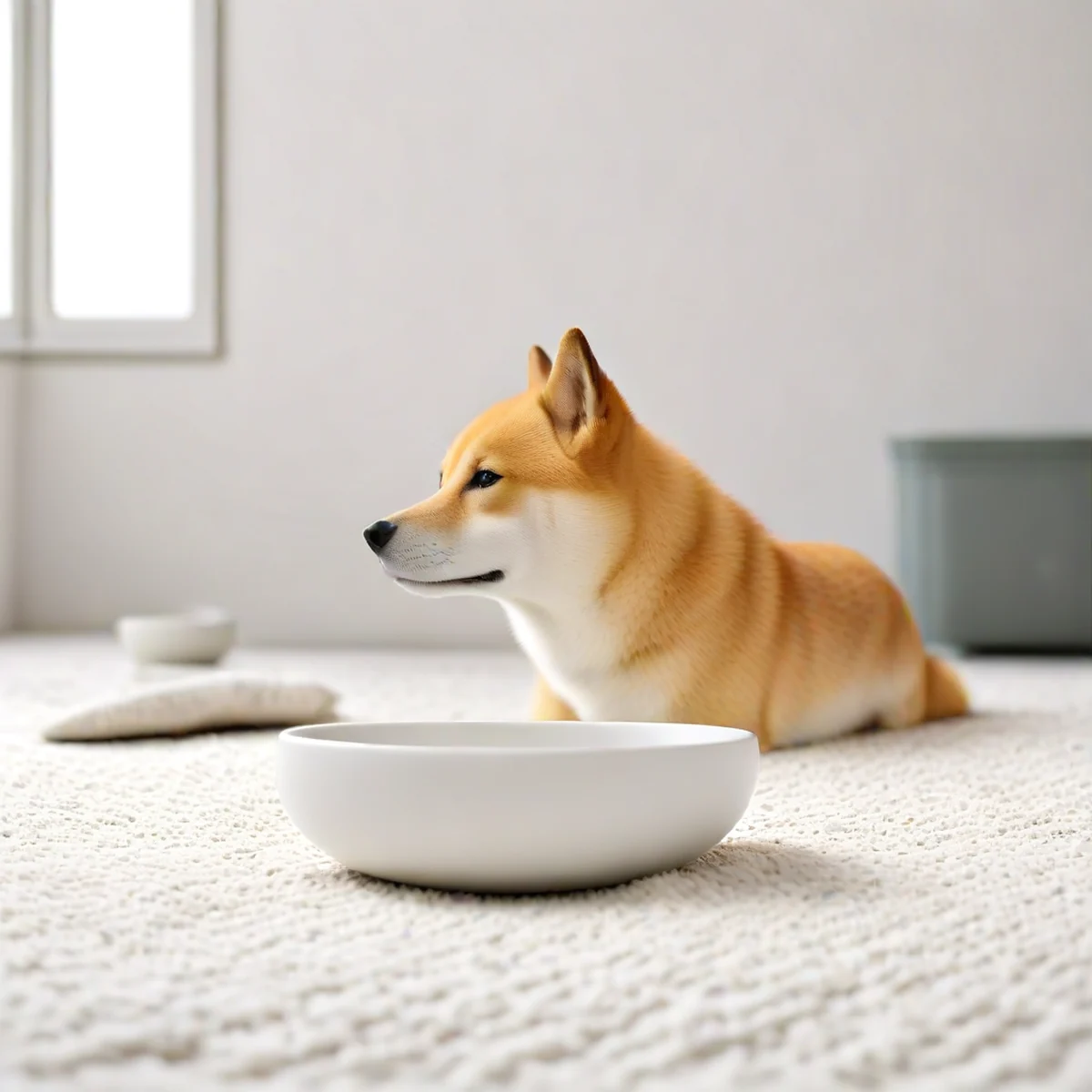
Is their "advanced" personality too much for a beginner?
Many enthusiasts refer to Shibas as "expert-level" dogs. This isn't because they are aggressive, but because they are incredibly discerning. A Shiba doesn't just follow a command because you said it; they evaluate whether the reward is worth the effort.
If you use harsh corrections, you won't get obedience—you'll get a standoff. To navigate their unique temperament, you need a specific strategy:
- Critical Early Socialization: Because Shibas can be territorial and wary of strangers, socialization between 3 and 6 months is non-negotiable. They need to encounter diverse sounds, people, and animals to prevent reactive behavior later in life.
- The Logic of Rewards: Consistency is your best friend. If "Sit" earns a treat on Monday but nothing on Tuesday, the Shiba will immediately stop participating in the game.
- Mental Stimulation over Physical Exhaustion: While they need walks, a simple stroll around the block often isn't enough. They thrive on "nose work"—scent-based games that engage their sharp brains.
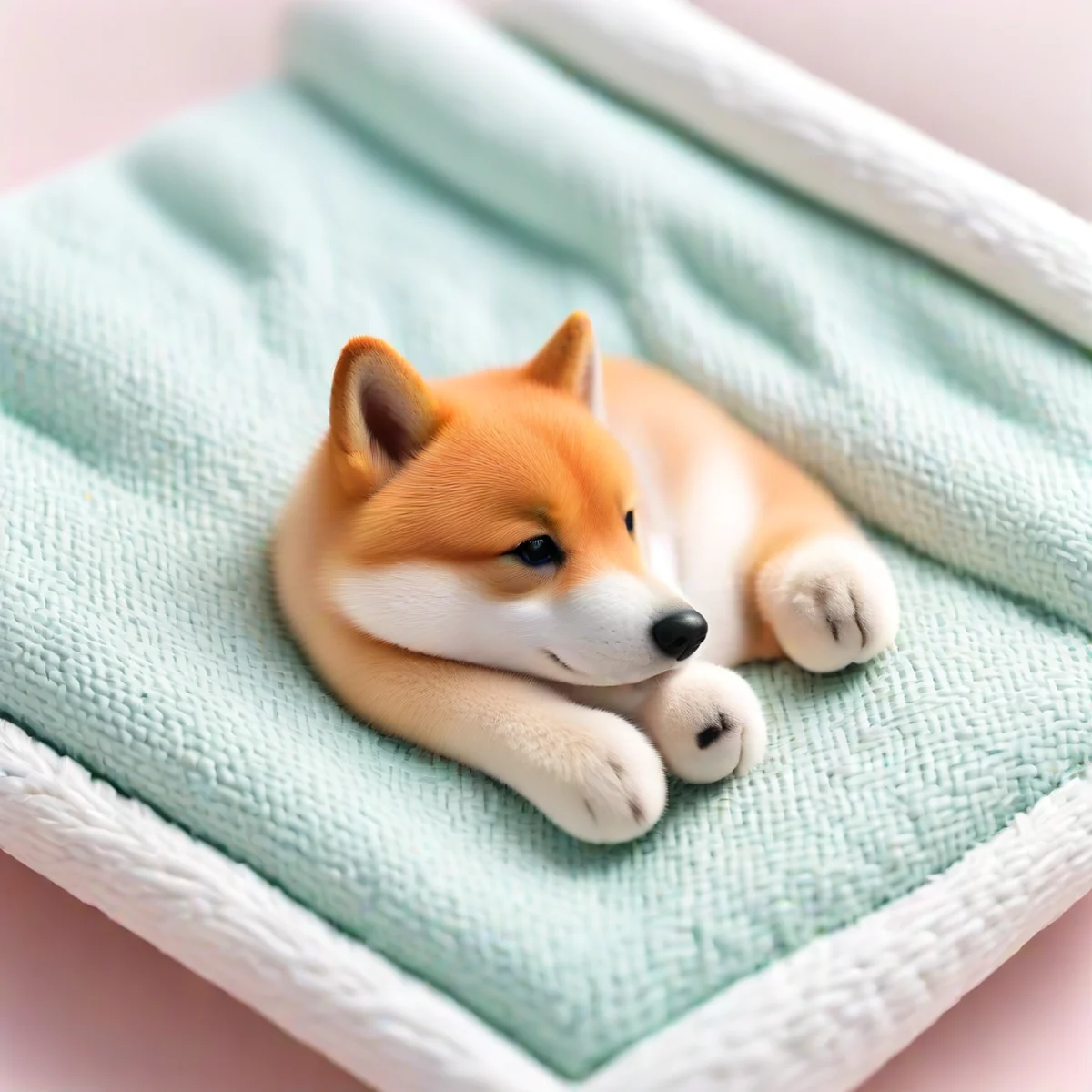
Can you realistically live with a Shiba in an apartment?
The short answer is yes, but it comes with caveats regarding noise and energy management. While their size makes them look perfect for condo living, two factors can disrupt the peace: barking and boredom.
Shibas are alert dogs. They are highly sensitive to environmental changes, such as footsteps in a hallway or an elevator dinging nearby. Without proper training, this alertness can turn into persistent barking that upsets neighbors. Furthermore, if their energy isn't channeled through structured outdoor time, they can become destructive.
I once observed a Shiba at a local pet cafe that seemed visibly restless; the dog wasn't playing with toys but was instead pacing and staring intently out the window. This wasn't just "waiting for a walk"—it looked like pent-up frustration. For apartment dwellers, a strict routine of at least two high-quality outdoor sessions per day is essential to keep them calm indoors.

Managing health concerns and the "Tsunami of Fur"
Physically, Shibas are quite hardy, but they aren't invincible. You should be aware of certain breed-specific predispositions:
* Allergic Dermatitis: Their skin can be incredibly sensitive to specific proteins or environmental allergens. * Joint Issues: Despite being medium-sized, their tendency to jump onto furniture can lead to patellar luxation (kneecap dislocation). * Ocular Conditions: Regular vet checkups are vital to monitor for Progressive Retinal Atrophy (PRA) or cataracts.
Then, there is the hair. It is arguably the most significant lifestyle adjustment. Shibas possess a dense double coat designed for harsh climates. While they shed year-round, the seasonal "blowouts" in spring and fall are legendary. During these times, I’ve found that even a high-end vacuum cleaner can struggle to keep up with the sheer volume of hair. Investing in a high-quality deshedding tool and a vacuum with a HEPA filter is a practical necessity rather than a luxury.
The Reality Check: Estimating your annual budget
Bringing a Shiba home involves more than just an adoption fee. Because of their sensitive skin and high intelligence, you may find yourself spending more on premium nutrition or specialized grooming tools compared to a less picky breed.
Estimated Annual Maintenance Costs (USD):
| Expense Category | Details | Estimated Annual Cost |
|---|---|---|
| Food & Supplements | High-quality kibble, joint/skin support | $1,200 – $1,800 |
| Healthcare | Vaccines, heartworm prevention, annual exams | $600 – $900 |
| Grooming & Hygiene | Professional baths, brushes, dental care | $400 – $600 |
| Emergency Fund | Recommended buffer for unexpected illness | $1,500+ (Recommended) |
| Total Estimated Range | Annual Operating Cost | $3,700 – $4,800+ |
*Note: These figures are estimates based on average US veterinary and pet supply costs and can vary significantly based on your location and the individual dog's health needs.*




Comments 0