Essential for Dog Owners: How to Calculate Your Dog's Age
When you own a dog, the question "How old is my dog?" often arises. This can be confusing because a dog's biological age doesn't directly correspond to its chronological age, especially since we typically express a dog's age in years, unlike with cats.
However, understanding this difference is crucial for monitoring your dog's health, administering appropriate vaccinations, and adjusting their diet as needed.
Here's a breakdown of how to calculate your dog's age and understand the different life stages.
1. The Difference Between Human Age and a Dog's Actual Lifespan
Dogs grow rapidly in their early years, and the rate of aging slows down after a certain point. Unlike humans, a dog's first two years are characterized by significant biological changes.
For example, a 1-year-old dog is roughly equivalent to a 15-year-old human, and a 2-year-old dog is about 24 years old in human terms.
After that, a dog ages approximately 5-7 "human years" per year, although this can vary significantly depending on the breed and size.
2. Aging Rates in Small, Medium, and Large Breeds
Small breeds (e.g., Poodles, Chihuahuas) typically live 12-15 years and age relatively slowly. They often maintain their activity levels well into old age. In contrast, large breeds (e.g., Labradors, Dobermans) have an average lifespan of 8-10 years and show signs of aging earlier, often starting around 5-6 years old. This is related to their weight, joint stress, and increased risk of cardiovascular disease. Medium-sized dogs generally live 10-13 years, aging at a moderate pace.
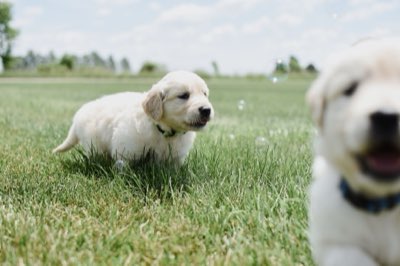
[Image of dog age calculation and lifespan]
According to the American Veterinary Medical Association's 2023 data, pet owners should expect to spend roughly $1,500 annually on preventative care. This budget helps manage health changes as dogs enter their senior years after age 7.
3. Behavioral Changes to Watch for at Different Ages
* 0-2 years: Puppyhood. Focused on play and highly curious. High attention span for training, but easily frustrated by boredom. * 3-6 years: Adulthood. Basic training is well established, and they adapt to their daily routines. Socialization is stable, and they exhibit better control of their behavior indoors. * 7-10 years: Early seniorhood. Decreased mobility, difficulty getting up and down, more frequent nighttime awakenings. Tendency to tire easily. * 11+ years: Middle seniorhood. Graying fur or hair, cloudiness in the eyes, hearing loss may become apparent. * 14+ years: Geriatric stage. Decreased appetite, tremors, difficulty controlling urination may occur. Regular health monitoring is essential.
According to the AVMA's 2024 guidelines, nutrition plays a vital role in extending canine lifespans. Research shows that high-quality diets can add up to 2 years of healthy life to many medium-sized breeds.
4. Pay Attention to "Daily Changes" Rather Than Just Signs of Illness
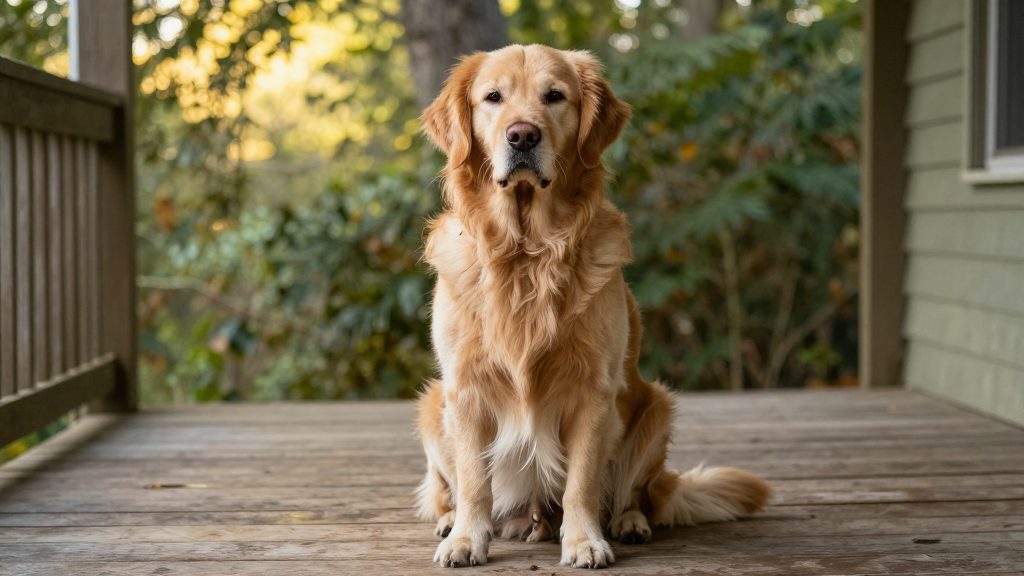
[Image of dog age calculation and lifespan]
Dogs don't typically show obvious signs of illness like constipation or indigestion.
Therefore, it's crucial to notice subtle changes in their daily routines. For example, if a dog who used to enjoy 30-minute walks can now only manage 10 minutes, or if their posture changes to avoid putting weight on a leg, this could be a sign of aging.
Additionally, if they turn their head to smell their food but don't eat it, you should suspect dental problems or digestive issues.
According to the American Kennel Club's 2022 study, breed size is the primary factor in aging rates. Large dogs often reach their senior stage by age 6, whereas small dogs frequently live past 14.
5. Health Checks Should Be "Seasonal" Rather Than Just "Annual"
A single annual health check is not sufficient. The risks of high blood pressure are higher in winter, and the risk of sudden weight loss or dehydration is greater in summer. Therefore, it's best to categorize health check items based on the season.
For example, in spring, an increase in skin problems may lead to more frequent scratching, so you might consider allergy testing. In autumn, joint pain can worsen, so pay close attention to their gait.
6. Diet Should Be Adjusted Based on Age, Weight, and Activity Level
Even small breeds that live for over 10 years should maintain a high-protein, low-fat diet. Conversely, large breeds should be fed food containing joint support ingredients (e.g., glucosamine, chondroitin) starting around 7 years old.
Especially for dogs over 8 years old, reduce the amount of high-calorie food and choose a food with fiber and digestive aids to compensate for decreased protein digestion.
If you feed raw or homemade food, use a tool (e.g., nutrient analysis table) to ensure proper nutritional balance.
7. Adjust the "Form" of Walks and Exercise Based on Age
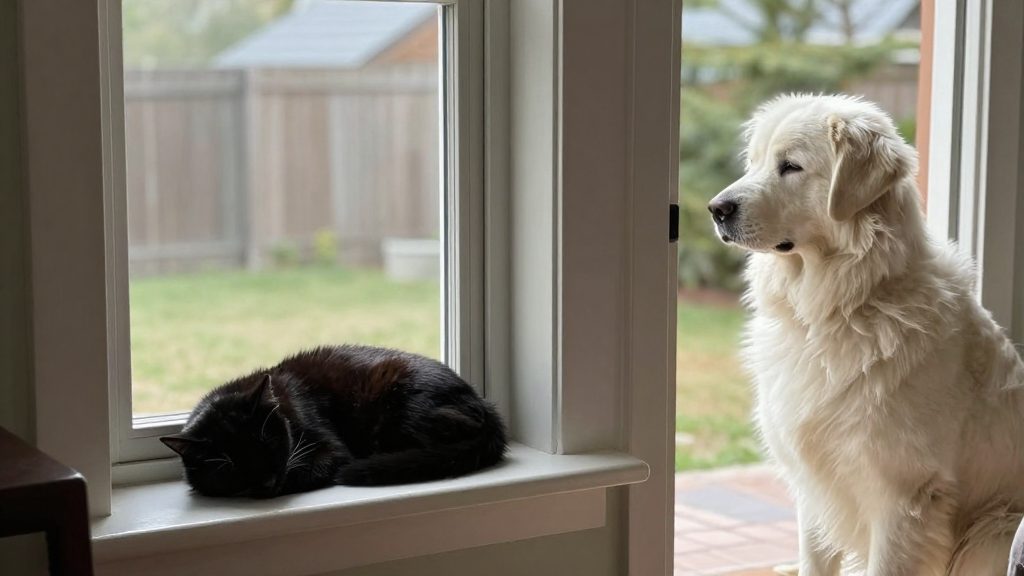
[Image of dog age calculation and lifespan]
Dogs aged 2-5 years should have at least 1 hour of activity per day, but for dogs over 7 years old, a walking-focused walk of 10-20 minutes is more appropriate. Especially avoid walking on hard surfaces or steep stairs, as these put extra stress on the joints.
Choose softer ground (e.g., grass, asphalt) instead. Avoid strenuous jogging or jumping, and if your dog starts panting heavily or lifting their head while walking, they need to rest immediately.
A dog's age is more than just a number; it's an indicator that should be interpreted comprehensively, taking into account their physical condition, behavior patterns, and living environment. Don't miss the changes that humans might not notice.
By consistently recording any subtle abnormalities in their daily lives and conducting regular health checks, you can slow down the aging process.
The most important thing is to pay attention not when your dog "falls ill," but from the moment their "voice begins to change." These small changes will ultimately determine the quality of life you can share for many years to come.



Comments 0