Large dog breed selection guide: 9.3 years life expectancy
"Choosing a large dog breed requires a deep understanding of temperament, longevity, and physical requirements to ensure a safe and sustainable partnership."
Key takeaways: 1. Evaluate breed-specific temperament and historical data on human interaction. * Consider life expectancy differences between specific large breeds and general averages. * Be aware of breed-specific health issues like spinal malformations or skin conditions.
How do temperament trends affect choosing a large dog breed?

At sunset in the quiet park, I watch a large dog pull against its leash, feeling the sudden tension in my arms.
Understanding the historical context of certain breeds is a vital part of the large dog breed selection guide.
When looking at historical data, certain breeds have been highlighted in public safety discussions.
According to a study by the US Centers for Disease Control and Prevention (CDC) in 2000, fatal attacks on humans appeared to be a breed-specific problem, with pit bull–type dogs and Rottweilers accounting for half of all fatal dog attacks on humans between 1979 and 1998.
This historical context is often used when people are selecting a large dog breed.
However, legal and social perspectives on these statistics have shifted over time.
In 2012, the American Bar Association passed a resolution urging the repeal of breed-specific legislation, stating that it is "ineffective at improving public safety." This highlights that while statistics exist, the effectiveness of targeting specific breeds remains a subject of debate among professionals.
What is the life expectancy for specific large breeds? Large dog breed selection guide
A person sits on a porch, watching an aging large dog rest in the sun. When picking a large dog, understanding how long you will spend in companionship is a heavy emotional factor.
Longevity varies significantly between different types of dogs. For instance, a 2024 UK study found a life expectancy of 9.3 years for the St. Bernard breed, compared to an average of 12.7 years for purebreds and 12 years for crossbreeds.
This data is crucial for those planning their long-term commitment to a pet.
| Breed Type | Life Expectancy (Years) |
|---|---|
| St. Bernard | 9.3 |
| Average Purebreed | 12.7 |
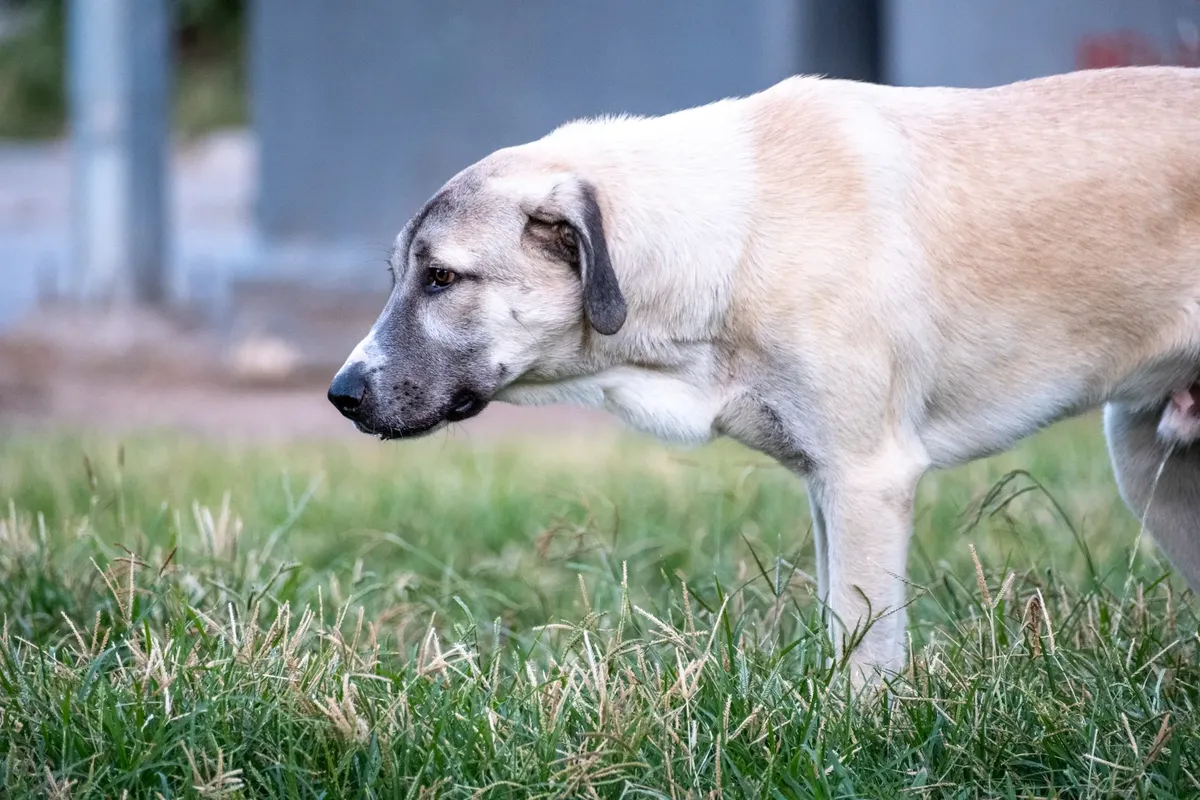
I looked at these numbers while considering the long-term responsibility of bringing home a giant breed. Selecting large dog breeds requires balancing the joy of companionship with the reality of shorter lifespans in giant breeds.
How can I manage breed-specific health risks?
A veterinarian examines a dog with a prominent ridge along its spine. Identifying potential health issues is a necessary part of the best large dog breeds guide.
Some breeds have physical traits that come with specific medical risks. For example, the Rhodesian dog's dorsal crest seems to predispose it to dermoid sinus, which affects between 5 and 10% of the breed's subjects, and to spinal malformations.
Understanding these predispositions helps owners prepare for potential medical needs.
When you are how to pick a large dog, you must look at the physical structure of the animal. These traits are often hereditary and require proactive veterinary care.
What are the steps for responsible breed selection?
An owner sits at a desk, reviewing various breed standards and health documents. Following a structured approach helps in managing the complexities of large dog breed traits.
- Research the historical temperament and energy levels of the specific breed to ensure they match your activity level. 2. Review health records and genetic predispositions, such as spinal or skin issues, to understand potential medical costs. to 3. Compare the life expectancy of your chosen breed against general averages to prepare for the animal's life stages.
Always perform a final check by consulting with a veterinarian regarding the specific health risks of the breed you are considering.
What happens if a breed is not suitable for my environment?
A dog owner realizes their large dog cannot fit through a standard garden gate. If a breed's physical size or energy is too great for a specific living situation, it may not be the right match.
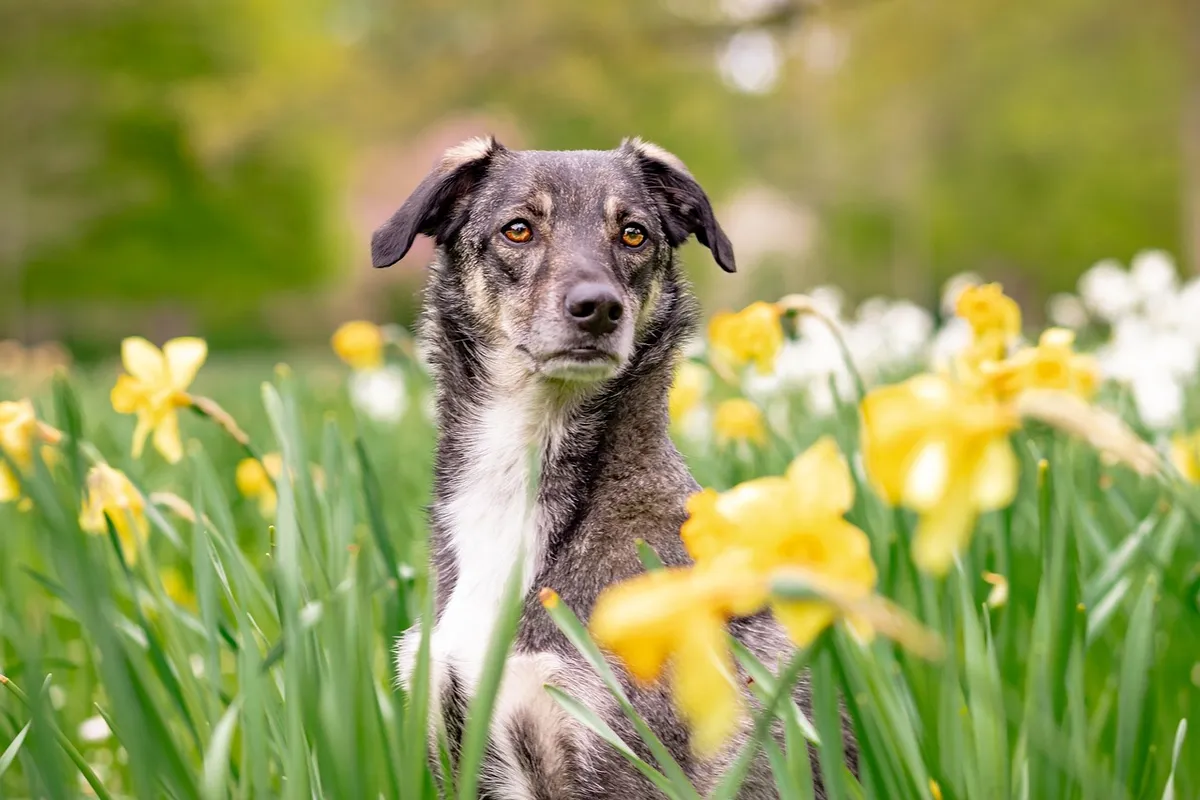
A limitation of this guide is that it cannot account for individual dog personality, as health and temperament data are based on breed averages rather than individual animals.
- A large dog breed selection guide focuses on matching the unique physical and behavioral traits of a specific animal to an owner's lifestyle.
- This guide covers temperament considerations, longevity expectations, and health predispositions to help you navigate the complexities of large canine ownership.
- An owner stands in a park, watching a large dog navigate a crowded path with controlled energy.
The same subject is also called Large breed selection criteria.
Related
- Dog breed family fit guide: How to match breed to your home
- Dog origins and history: Complete guide to dogs
How does lifestyle match the dog's needs?
Matching the dog's inherent needs to the owner's lifestyle is paramount when Choosing a large dog breed.
- Assess the required exercise level against your available time and energy. 2. Consider the potential for specific health issues arising from the breed's physical structure. 3. Align the companionship commitment with the realistic life expectancy of the particular breed.
This careful alignment helps sustain a positive relationship throughout the dog's life.
What are the implications of mismatched expectations?
If the owner's lifestyle does not accommodate the dog's natural requirements, the partnership faces strain.
For example, if the activity level of the chosen breed exceeds the owner's capacity, the dog may not receive adequate mental or physical stimulation.
This mismatch can negatively affect the dog's well-being and the overall quality of the companionship experience.
How does the physical structure influence the Choosing experience?
The physical structure of a large dog breed dictates certain maintenance needs. For instance, the spinal malformations mentioned in the guide are often linked to the dog's frame. Owners must understand these structural realities when Choosing a large dog breed.
This physical reality influences the long-term care required for the animal. The initial selection process must account for these physical demands.
Properly matching the dog's physical needs to the owner's ability is essential for a successful partnership.



Comments 0