AI dog behavior advice: Why seek professional help
"Behavioral issues in pets often lead to the heartbreak of canceled adoptions, creating a gap between the desire for companionship and the reality of living with a pet."
AI dog behavior advice can serve as a preliminary tool to understand common issues like barking or destructive habits, but it requires careful human oversight to be effective.
This guide covers how to navigate digital advice, the importance of structured training, and the limitations of automated counseling.
Key takeaways include recognizing when digital tools fall short, understanding common behavioral triggers, and prioritizing professional intervention for complex issues.
How can AI dog behavior advice help manage household tension?

At dusk, I sit on the velvet sofa and tap my screen to find peace after my dog's erratic behavior caused a loud crash in the kitchen.
A person sits on a living room rug, staring at a smartphone screen while a medium-sized dog scratches at the wooden door frame. Navigating the complexities of pet ownership often involves seeking immediate answers to sudden behavioral shifts.
Using AI dog behavior advice can provide a starting point for owners to understand basic socialization or routine-based issues.
Digital tools can offer quick interpretations of common behaviors, such as excessive barking or destructive chewing. For instance, according to historical data on pet ownership, animal behavior problems like damaging or barking accounted for 29.4 percent of adoption cancellations.
Because these issues can be stressful, an initial AI dog behavior advice session might help an owner categorize the behavior before seeking professional help.
While digital tools provide instant feedback, they cannot observe the subtle physical cues or the specific environment of a home. This means the advice is often a generalized starting point rather than a final solution.
Relying solely on an algorithm without physical context can lead to misinterpretations of a dog's emotional state.
Why is an AI canine behavior guide different from a trainer?
A trainer kneels in a grassy park, using hand signals to guide a dog through a command while an owner watches closely. An AI canine behavior guide typically relies on text-based input or uploaded videos to suggest solutions.
This differs from a professional trainer who uses real-time sensory input to assess a dog's body language and energy levels.

A digital guide can provide structured information on various breeds and common developmental stages. It can suggest schedules for feeding or exercise that might mitigate boredom-induced behaviors.
However, an AI canine behavior guide lacks the ability to physically interact with the animal or feel the tension in a leash.
Professional trainers can adjust their approach based on the dog's immediate reaction to a command or a specific stimulus. An AI lacks the nuance to understand how a dog's personality interacts with a specific human's personality.
Therefore, digital tools are better suited for general knowledge rather than hands-on correction.
What are the steps for using AI pet behavior help effectively?
An owner opens a mobile application to input a description of their dog's recent nighttime pacing. To get the most out of digital tools, owners should follow a structured approach to ensure the data provided is useful.
Using AI pet behavior help requires a systematic way of documenting and presenting information.
- Document the specific behavior, including the time of day, the duration, and the immediate trigger. 2. Input clear, descriptive text regarding the dog's environment and any recent changes in the household routine. 3. Cross-reference the digital suggestions with real-world observations to see if the advice matches the dog's reaction.
After following these steps, an owner should perform a final check by comparing the digital advice against the dog's physical well-being. If the dog shows signs of distress or pain, the digital advice should be disregarded in favor of medical attention.
I found that documenting the exact moment a behavior occurs helped me provide better descriptions to the software.
How does an AI canine behavior guide handle complex issues?
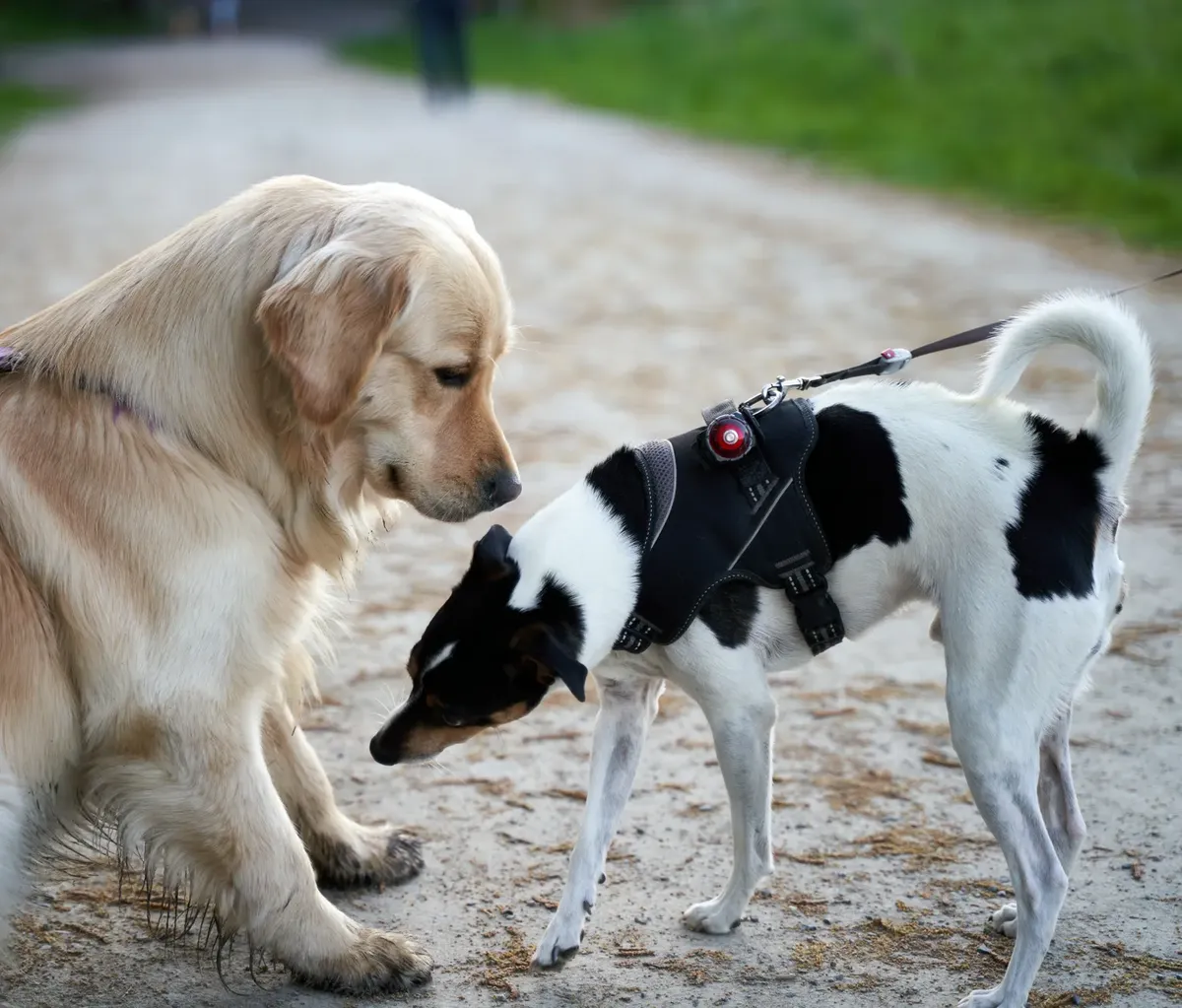
A dog pulls against a harness during a walk, causing the owner to stumble slightly on the sidewalk. Some behaviors are too complex for simple digital troubleshooting, especially when they involve aggression or deep-seated anxiety.
Animal behavior problems like damaging or barking accounted for 29.4 percent of adoption cancellations.
An AI canine behavior guide might struggle with these high-stakes situations where safety is a primary concern.
Digital platforms are often programmed with generalized data that may not account for individual dog temperament or unique medical conditions. While they can suggest basic reinforcement techniques, they cannot replace the nuanced assessment of a behavioral specialist.
This is particularly true for behaviors that pose a risk to the household or the community.
The effectiveness of an AI canine behavior guide depends heavily on the quality of the user's input and the sophistication of the underlying model. If the input is vague, the output will likely be too generic to solve specific, ingrained habits.
For complex cases, the guidance must be integrated with professional human expertise.
What are the limitations of an AI-driven pet behavior solution?
An owner sits at a desk, typing out a long description of a dog's sudden change in sleep patterns. A significant limitation of any digital tool is the absence of physical presence and real-time sensory feedback.
An AI-driven pet behavior solution cannot smell, touch, or feel the physical state of the animal.
The lack of physical interaction means that the tool cannot verify if a behavior is caused by a physical ailment or a psychological issue. For example, a dog that is suddenly destructive might be in pain, a detail an algorithm cannot detect.

This gap can lead to advice that inadvertently worsens a health-related behavior.
| Feature | AI Digital Tool | Professional Trainer |
|---|---|---|
| Availability | Instant and 24/7 | Scheduled appointments |
| Physical Interaction | None | Direct and hands-on |
The primary limitation is that an AI-driven pet behavior solution is limited to the data provided by the user and cannot perform a physical assessment of the dog's health or temperament.
- How can AI dog behavior advice help manage household tension?
- Why is an AI canine behavior guide different from a trainer?
- What are the steps for using AI pet behavior help effectively?
The same subject is also called Dog behavior consult AI.
The same subject is also called Pet behavior AI support.
This part also covers AI training dog issues.
This part also covers Managing dog behavior AI.
This part also covers Improving pet conduct AI.
AI training dog issues
Related







Comments 0