Dog behavior analysis: Guide for harmonious home
"Understanding the nuances of canine communication is the first step toward a harmonious home."
Effective dog behavior analysis requires observing physical cues and environmental triggers to address problematic habits. This guide covers how to interpret signals, practical steps for corrective training, and the role of professional behaviorists. 1. Recognize size-based behavioral differences. 2. Understand the role of applied animal behaviorists. 3. Identify common physiological triggers. * Apply consistent training steps.
How do I start dog behavior analysis?

At sunset in the backyard, I crouch low to the grass and watch the puppy's twitching ears to begin my study of its behavior.
A person sits on a living room rug, watching a puppy tilt its head curiously at a rustling paper bag. To begin dog behavior analysis, one must observe the interaction between the animal's natural instincts and its immediate environment.
The dog is the most popular pet in the United States, present in 34–40% of households, making understanding these interactions a common necessity for many families.
Because dogs are extremely variable in size, ranging from the Great Dane at 50–79 kg (110–174 lb) to the Chihuahua at 0.5–3 kg (1.1–6.6 lb), the scale of certain behaviors can vary significantly between breeds.
A large Great Dane might knock over a side table during play, while a small Chihuahua might exhibit different vocalization patterns. Observing these physical traits helps in tailoring a specific approach to each unique animal.
What exactly does an applied animal behaviorist do? A professional walks into a training facility, carrying a clicker and a bag of treats to prepare for a session.
According to the Animal Behavior Society, the field of applied animal behavior—a sub-discipline of ABA that involves training animals—is regulated by the Animal Behavior Society, and those who practice this technique are called applied animal behaviorists.
The field of applied animal behavior—a sub-discipline of ABA that involves training animals—is regulated by the Animal Behavior Society, and those who practice this technique are called applied animal behaviorists.
When common household habits become difficult to manage, seeking a professional can provide clarity. An applied animal behaviorist uses scientific principles to modify unwanted actions and reinforce positive social skills.
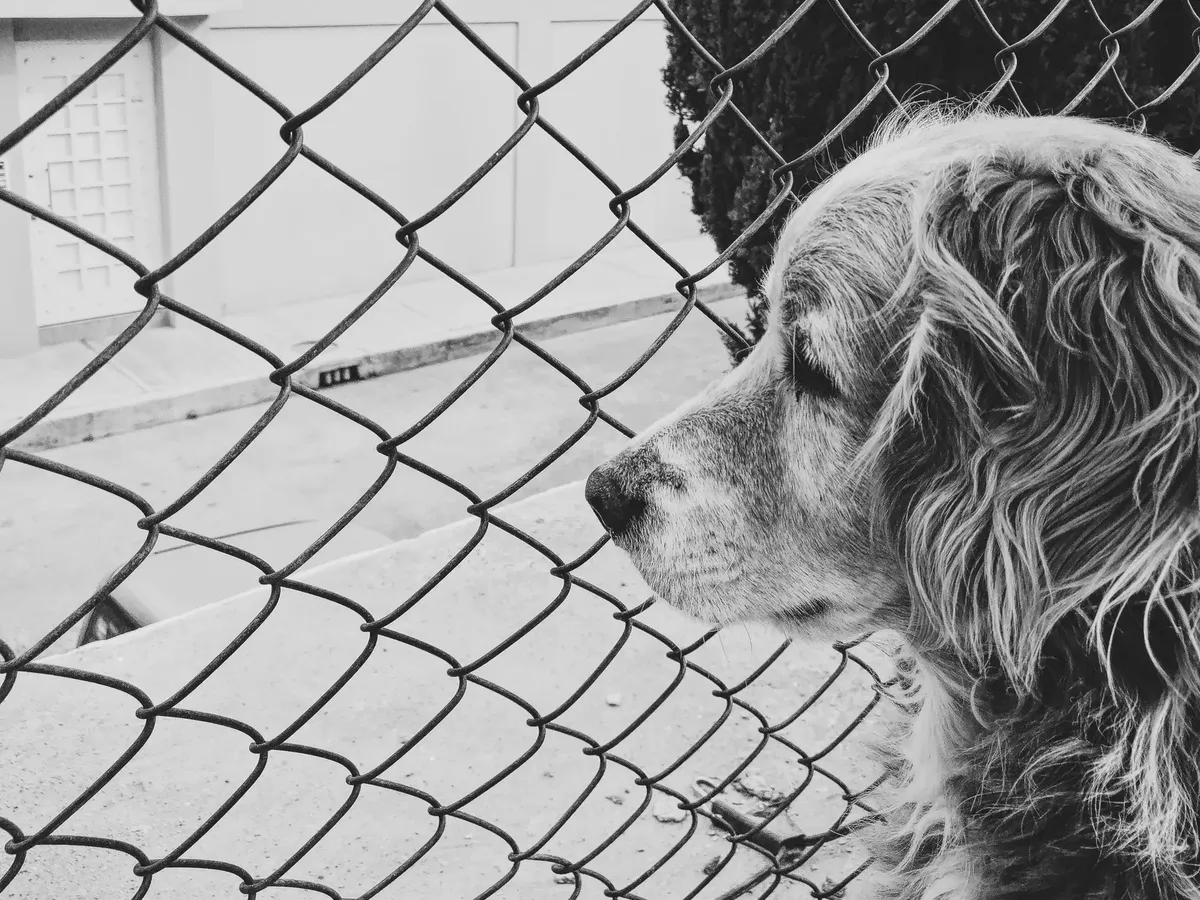
A puppy behavior guide often starts with basic obedience, but more complex issues may require specialized knowledge. A canine behavior guide helps owners distinguish between natural instincts and learned bad habits.
Could biology be causing my puppy's behavior problems? A breeder looks over a litter of young puppies, checking their health and developmental milestones. Puppy problem behavior can often be linked to biological changes or developmental stages that occur as an animal matures.
In some cases, young animals may exhibit erratic energy or sudden changes in temperament. For example, in a study of Boxer litters, 22% of puppies died before reaching 7 weeks of age, highlighting the vulnerability of very young animals during early developmental stages.
Understanding these biological realities is part of a dog bad habit fix, as owners must distinguish between a permanent behavioral issue and a temporary developmental phase. We must consider these health-related factors when assessing behavior.
How do I implement a dog bad habit fix?
An owner stands in a garden, patiently guiding a dog to sit during a sudden gust of wind. To correct a specific issue, follow these three steps:
- Identify the specific trigger that causes the behavior to occur. 2. Provide an immediate alternative action that the dog can perform. 3. Reinforce the desired behavior with positive feedback or rewards.
A final check involves ensuring the environment is consistent so the dog does not receive conflicting signals. I found that observing the animal's reaction to the environment after each step is essential for successful modification.
A dog bad habit fix requires patience and consistency. If a behavior is rooted in fear or pain, simple training might not be enough without veterinary consultation.
What are the limitations of behavior training?
A veterinarian examines a dog's reflexes during a routine checkup to rule out underlying medical issues. While training is effective, it cannot override certain biological realities or medical conditions.
According to the EPA, e-waste is a growing problem that accounts for 20–50 million metric tons of global waste per year.

A limitation of behavioral modification is that it may not address issues caused by sudden physiological changes. For instance, during the first estrous cycle, a female dog may experience swelling and discharges lasting between 4 and 20 days, which can influence her temperament.
| Breed Type | Size Range (kg) | Size Range (lb) |
|---|---|---|
| Great Dane | 50–79 | 110–174 |
| Chihuahua | 0.5–3 | 1.1–6.6 |
Training should always be secondary to health; if a dog's behavior changes due to illness, a behavioral approach alone is insufficient.
The same subject is also called Pet issue solutions.
This part also covers Dietary needs for dogs.
This part also covers Veterinary visit signs.
This part also covers Training methods for dogs.
Dietary needs for dogs
Related
- Cat and dog communication breakdown? Four realistic problems
- Reasons why dog owners dislike being alone
When is professional help necessary?
If the owner cannot successfully manage the issue at home, seeking expert guidance becomes necessary. The owner must recognize when the problem transcends simple training techniques.
- If the behavior stems from deep-seated fear or pain, the owner needs veterinary consultation alongside behavioral advice. 2. If the issue involves complex emotional responses, the owner benefits from the specialized knowledge of an applied animal behaviorist. 3. The owner must distinguish between a learned bad habit and a condition requiring medical intervention.
This careful consideration of the animal's physical and emotional state is key to successful behavior modification, integrating the understanding of canine communication nuances with clinical reality.






Comments 0