Dog breed selection guide: Match lifestyle with your dog
"Choosing a companion requires more than a cursory glance at a puppy's face; it demands a deep understanding of genetic longevity and temperament."
You must evaluate life expectancy, energy levels, and potential health risks to ensure a sustainable long-term commitment.
How do lifestyle factors influence your dog breed selection guide?
A person sits on a quiet porch, looking at a small terrier, then shifts their gaze to a large working dog in a wide yard. Your daily activity level determines whether a high-energy breed or a more sedentary one is appropriate.
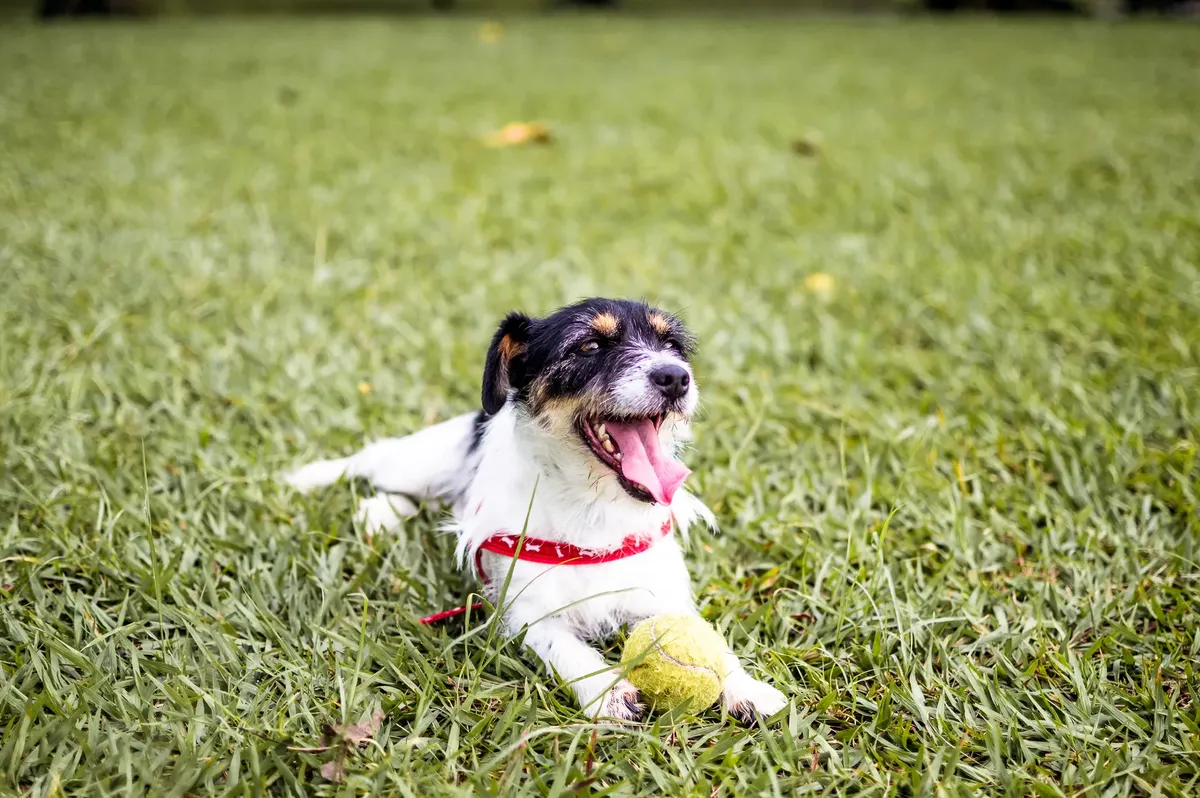
A dog breed matching guide must account for the fact that different breeds have vastly different physical requirements. For instance, some breeds thrive in urban apartments, while others require sprawling acreage to remain healthy.
Failing to match activity levels can lead to behavioral issues or physical decline.
What role does longevity play in finding your dog breed?
A researcher looks at a spreadsheet of aging data while a veterinarian examines a senior dog in a clinic. When considering a new pet, you must weigh the biological reality of different life spans against your long-term plans. Understanding these timelines is a vital part of finding your dog breed.
The Australian National Kennel Council found a life expectancy of 9.3 years for the breed compared to an average of 12.7 for purebreeds and 12 for crossbreeds.
According to the Australian National Kennel Council, a 2024 UK study found a life expectancy of 9.3 years for the breed compared to an average of 12.7 for purebreeds and 12 for crossbreeds.
The life expectancy of a dog can vary significantly based on its genetic makeup and size. According to a 2024 UK study, certain breeds showed a life expectancy of 9.3 years compared to an average of 12.7 years for purebreds and 12 years for crossbreeds.
This variation means your commitment length may differ depending on the specific type of dog you bring home.
How can you assess dog breed compatibility with your home?

A family gathers in a living room, observing how a large dog navigates through a narrow hallway. Compatibility involves more than just liking a dog's appearance; it involves how they fit into your existing household structure.
Choosing a dog type requires careful thought about how their size and temperament interact with your living space.
| Breed Category | Potential Life Expectancy |
|---|---|
| Specific Breed | 9.3 years |
| Purebred Average | 12.7 years |
I observed that comparing these specific life expectancy figures helps clarify the potential duration of care required for different animals. A dog breed compatibility assessment must include these biological realities to prevent future lifestyle shocks.
What are the risks of breed-specific traits?
An officer reviews local pet ownership laws while a lawyer examines a legal document on a mahogany desk. Some discussions regarding pet ownership focus on specific breeds due to historical data regarding safety and incident rates.
According to the Association passed a resolution urging the, the American Bar Association passed a resolution in 2012 urging the repeal of breed-specific legislation, stating that it is "ineffective at improving public safety".
This aspect of breed traits and exercise needs for dogs is often a subject of legal and social debate.
Historical data has influenced how certain animals are viewed in public policy.
A study by the US Centers for Disease Control and Prevention (CDC) in 2000 concluded that fatal attacks on humans appeared to be a breed-specific problem, noting that pit bull–type dogs and Rottweilers accounted for half of all fatal dog attacks on humans between 1979 and 1998.
How do you manage grooming and health needs?

A groomer brushes a long-haired dog while a vet checks a dog's spine during a routine exam. Beyond exercise, you must prepare for the daily maintenance of hair, skin, and internal health. Managing grooming and health is a significant part of the long-term responsibility of ownership.
Some breeds have unique physical characteristics that might lead to specific medical concerns. For example, a Rhodesian dog's dorsal crest seems to predispose it to dermoid sinus, which affects between 5 and 10% of the breed's subjects, and to spinal malformations.
Being aware of these specific predispositions allows you to prepare for potential veterinary costs and specialized care.
How to select a breed through a structured process
A person sits at a desk with a notebook, checking off items on a list before visiting a shelter. To make an informed decision, follow these steps to narrow your choices:
- Document your daily routine to determine necessary energy levels. 2. Research the specific health predispositions and life expectancy of your top choices. 3. Evaluate your living environment to ensure it meets the breed's space requirements.
After completing these steps, perform a final check by visiting breeders or rescues to observe the animals' temperaments in person. This ensures that the theoretical match matches the practical reality of the animal's behavior.
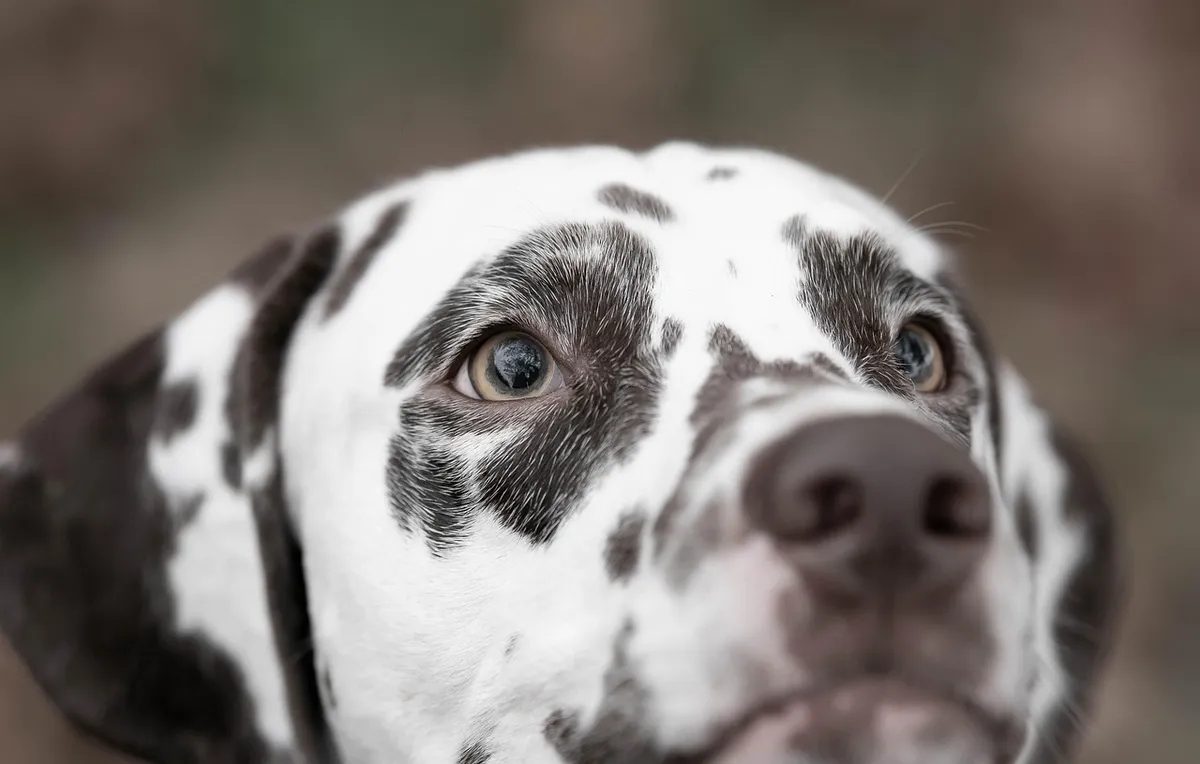
Wikipedia: Dog breed Based on the retained excerpt mentioning Fédération Cynologique Internationale: These three countries alone represent more than 40% of all dog breeds recognized by the Fédération Cynologique Internationale."
- A successful dog breed selection guide depends on matching the animal's biological needs with your specific lifestyle and environment.
- This guide explores how to navigate these variables, while noting that individual temperament can vary even within a specific breed.
- A dog breed matching guide should prioritize how much space and time you can dedicate to physical engagement.
The subject here is Dog breed selection guide.
This part also covers Breed traits and lifestyle.
Related
- Large dog breed selection guide: 9.3 years life expectancy
- Dog breed family fit guide: How to match breed to your home
What are the cautions regarding breed-specific health issues?
- Be aware of the specific physical traits of a potential companion animal. 2. Understand that some breeds carry predispositions to certain ailments. 3. Recognizing these susceptibilities allows for proactive veterinary planning.
For instance, the dorsal crest in a Rhodesian dog suggests a potential for dermoid sinus, which affects a portion of the breed. This condition, alongside spinal malformations, underscores the need for informed ownership regarding a companion animal.
What is the importance of observing temperament during selection?
- The suitability of a dog breed extends beyond its appearance. 2. Observing the animal's behavior in person is crucial for a successful match. 3. This observation confirms the theoretical compatibility with practical reality.
When choosing a companion, matching the observed temperament to the household dynamic is as important as matching the physical activity level. This final check solidifies the long-term viability of the pairing.





Comments 0