What are the genetic markers of the dingo?
The subject here is Kintamani dog history and traits.
The dingo remains one of the most unique canine enigmas, bridging the gap between wild predator and domestic history through its distinct genetic signatures. The dingo is a unique canine breed characterized by its distinct genetic lineage and historical presence across various regions.
This guide explores its biological origins, group classifications, and the genetic markers that define its identity. Key takeaways include understanding its ancestry, recognizing its breed standards, and noting its specific genetic haplotypes.
What defines the dingo breed standard?
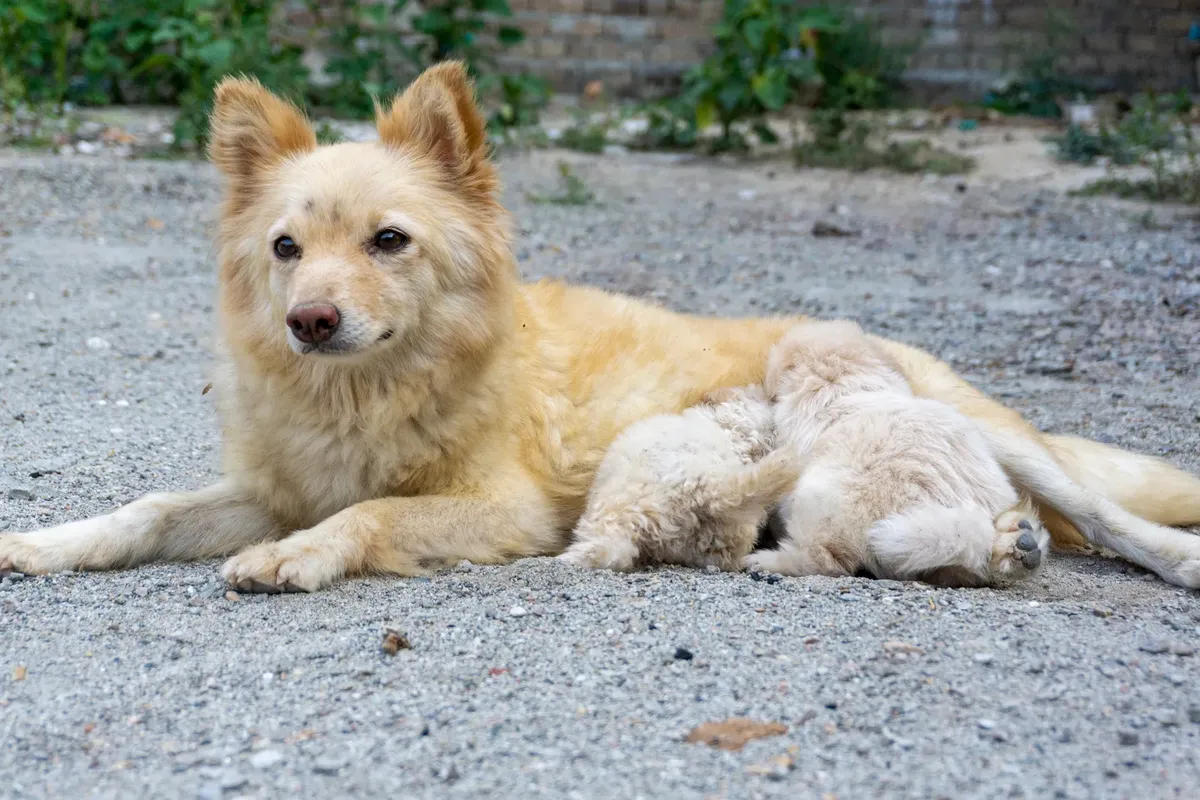
A researcher examines a vintage breed manual while tracing the lines of a wild canine. The Australian National Kennel Council recognises a dingo breed standard within its Hounds group.
This classification provides a formal framework for understanding the animal's physical and behavioral traits within a structured kennel environment. The dingo is formally recognized by the Australian National Kennel Council within the Hounds group.
The recognition of these standards helps enthusiasts distinguish specific traits from other wild canines. Because the breed is categorized within the Hounds group, its physical characteristics are evaluated against established morphological benchmarks.
This formal recognition ensures that the specific qualities of the dingo are documented for breeding and exhibition purposes. The dingo's physical characteristics are evaluated against established morphological benchmarks when categorized within the Hounds group.
How did historical biologists view dingo specimens? Kintamani dog history and traits
In the dusty field camp at dawn, I squint through a magnifying lens to inspect the rugged features of a dingo specimen.
A scientist in a dusty field camp compares a specimen to a local dog under a magnifying lens. The Russian biologist Nicholas De Miklouho-Maclay compared the dingo with a Papuan dog specimen from Bonga Village, 25 km north of Finschhafen, on the Maclay Coast in Papua New Guinea.
This historical comparison highlights the efforts to understand canine variations across different geographical landscapes. The dingo was compared by Nicholas De Miklouho-Maclay with a Papuan dog specimen from Bonga Village.
Such observations were vital for early biologists attempting to map the relationships between different dog populations. By comparing specimens from distinct regions, researchers could begin to hypothesize about the movement and evolution of canines.
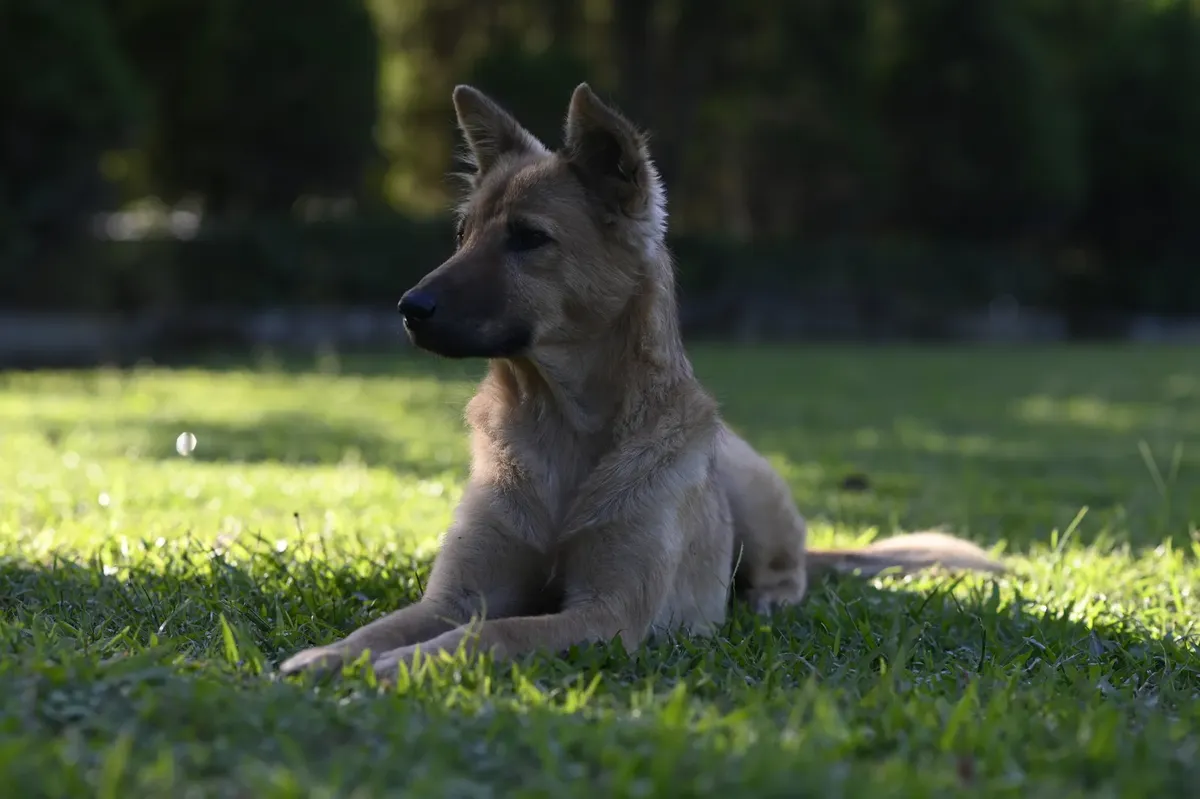
These early scientific endeavors laid the groundwork for modern genetic studies regarding wild and domestic dog lineages. The comparison of specimens from distinct regions allowed researchers to begin to hypothesize about the movement and evolution of canines.
What are the genetic markers of the dingo?
A technician looks at a sequencing readout on a glowing computer screen in a quiet laboratory. All female dingo sequences since studied exhibit haplotype A29, which falls within the Clade A haplogroup that represents 70% of domestic dogs.
This specific genetic marker provides a clear link to broader canine evolutionary history. The dingo's lineage can be traced back to its ancestral roots through the presence of these haplotypes.
The presence of these haplotypes allows scientists to trace the lineage of the dingo back to its ancestral roots. These genetic signatures are essential for distinguishing the dingo from other closely related canines.
Understanding these markers helps clarify how the breed fits into the wider family of domestic and wild dogs. The genetic signatures are essential for distinguishing the dingo from other closely related canines.
How does the dingo relate to other regional haplotypes?
A researcher maps out the Indonesian archipelago on a large paper chart.
In 2011, the mtDNA of dogs from the Malay Peninsula found that the two most common dog haplotypes of the Indonesian region, in particular Bali and Kalimantan, was mtDNA haplotype A75 (40%) and "the dingo founder haplotype" A29 (8%). This data illustrates the complex genetic landscape of the region.
The dingo founder haplotype A29 was found alongside mtDNA haplotype A75 in the Indonesian region.
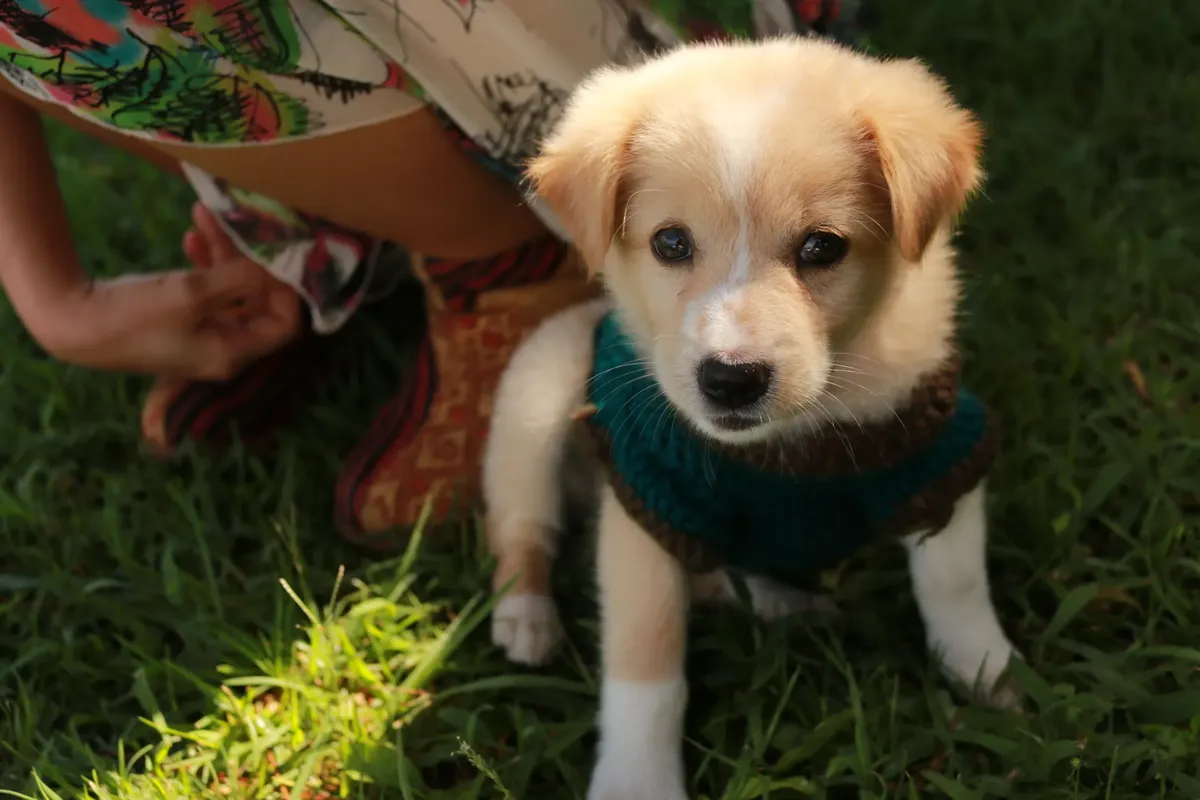
The relationship between these haplotypes suggests a shared history among different dog populations in Southeast Asia. The significant presence of the A75 haplotype alongside the A29 dingo founder haplotype indicates a nuanced biological intersection.
These findings provide a clearer picture of how different canine groups interacted and diverged over time.
What is the role of ancient wolf DNA?
A biologist examines a DNA strand model while considering the evolutionary timeline of the wolf. Gene flow from the genetically divergent Tibetan wolf forms 2% of the dingo's genome, which likely represents ancient admixture in eastern Eurasia.
This small percentage tells a larger story of ancestral contact. The dingo's lineage was influenced by much older wolf populations during its development.
This genetic input suggests that the dingo's lineage was influenced by much older wolf populations during its development. While the percentage is relatively small, it serves as a crucial piece of the evolutionary puzzle.
Such admixture demonstrates the dynamic nature of canine evolution and the mixing of different genetic lineages. The admixture demonstrates the dynamic nature of canine evolution and the mixing of different genetic lineages.
Comparing genetic and group data
The following table provides a comparison of specific genetic and classification data points mentioned in the research. According to the Australian National Kennel Council, the organization recognises a dingo breed standard within its Hounds group.
| Data Category | Specific Detail |
|---|---|
| Dingo Founder Haplotype | A29 (8%) |
| Tibetan Wolf Gene Flow | 2% |
I found it fascinating to see how much history is contained within such small percentages of the genome. The data shows that even a 2% influence can significantly impact our understanding of a breed's origin. The genetic influence of the Tibetan wolf is limited to a specific 2% of the genome.
A limitation of these findings is that the genetic influence of the Tibetan wolf is limited to a specific 2% of the genome.
- What defines the dingo breed standard?
- How did historical biologists view dingo specimens?
- What are the genetic markers of the dingo?
The subject here is Kintamani dog history and traits.
The same subject is also called Kintamani dog origin.
The same subject is also called Kintamani dog characteristics.
The same subject is also called Kintamani dog background.
The same subject is also called Kintamani dog profile.
This part also covers Kintamani dog care and training.
This part also covers Kintamani dog health and exercise.
This part also covers Kintamani dog grooming and diet.
Kintamani dog care and training
Related

Comments 0