Dog training difficulty match: Guide for owners
"The viewer should critically evaluate the information before deciding which training tips to adopt."
A successful dog training difficulty match requires distinguishing between entertainment-based advice and professional standards. Owners must assess the specific needs of their pet, evaluate the source of their training information, and account for age-related developmental differences.
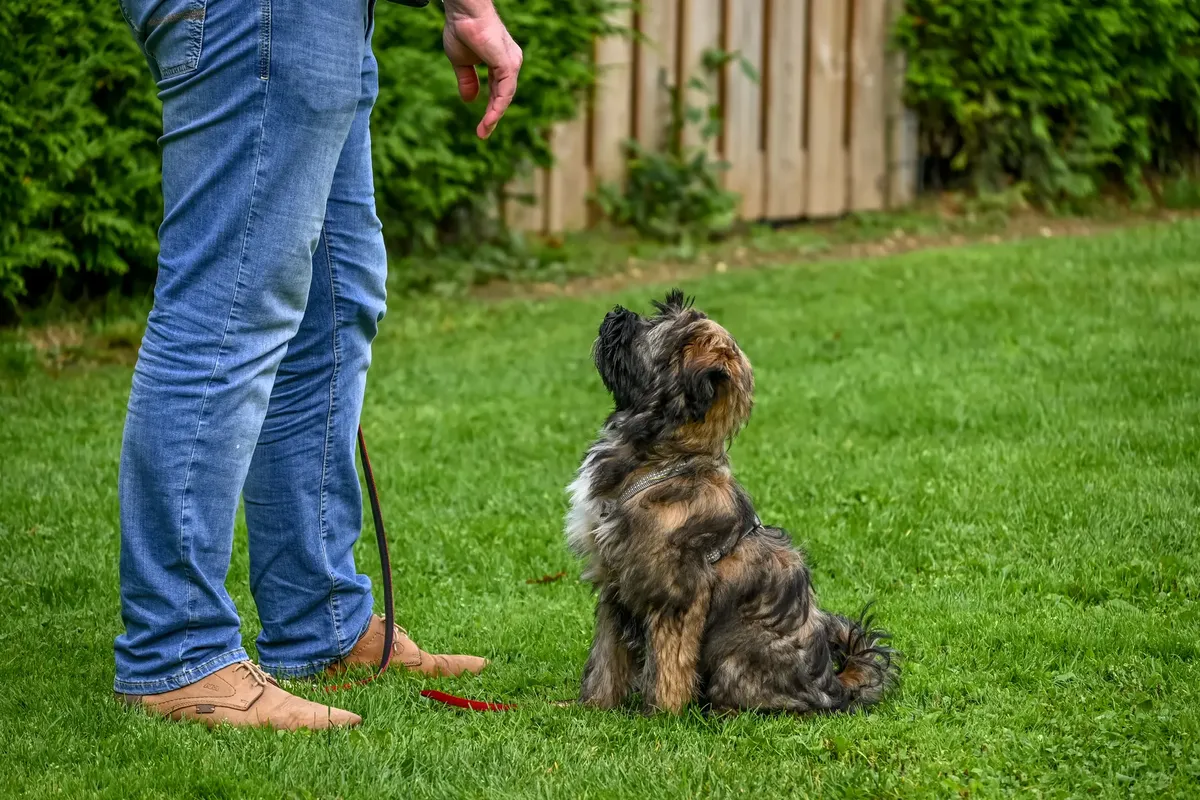
This guide covers how to select appropriate methods, identifies the importance of professional oversight, and explains why developmental stages change success rates.
How to evaluate a dog training difficulty match?
A person sits on a living room rug, watching a fast-paced television show about pet behavior. They wonder if the tricks shown on screen are actually feasible for their own pet at home.
The Association of Pet Dog Trainers advises that television programs are produced primarily for entertainment. While all programs will have good and not-so-good points, the viewer should critically evaluate the information before deciding which training tips to adopt.
This critical evaluation ensures that a dog training difficulty match remains realistic and safe for the specific animal.
- Assess the dog's current responsiveness to commands.
- Identify specific behavioral triggers or distractions.
- Compare these traits against the owner's lifestyle and availability.
What roles do professional organizations actually play? A trainer stands in a training hall, carefully observing a dog's reaction to a new command. They look toward a group of certified professionals who follow strict ethical guidelines.
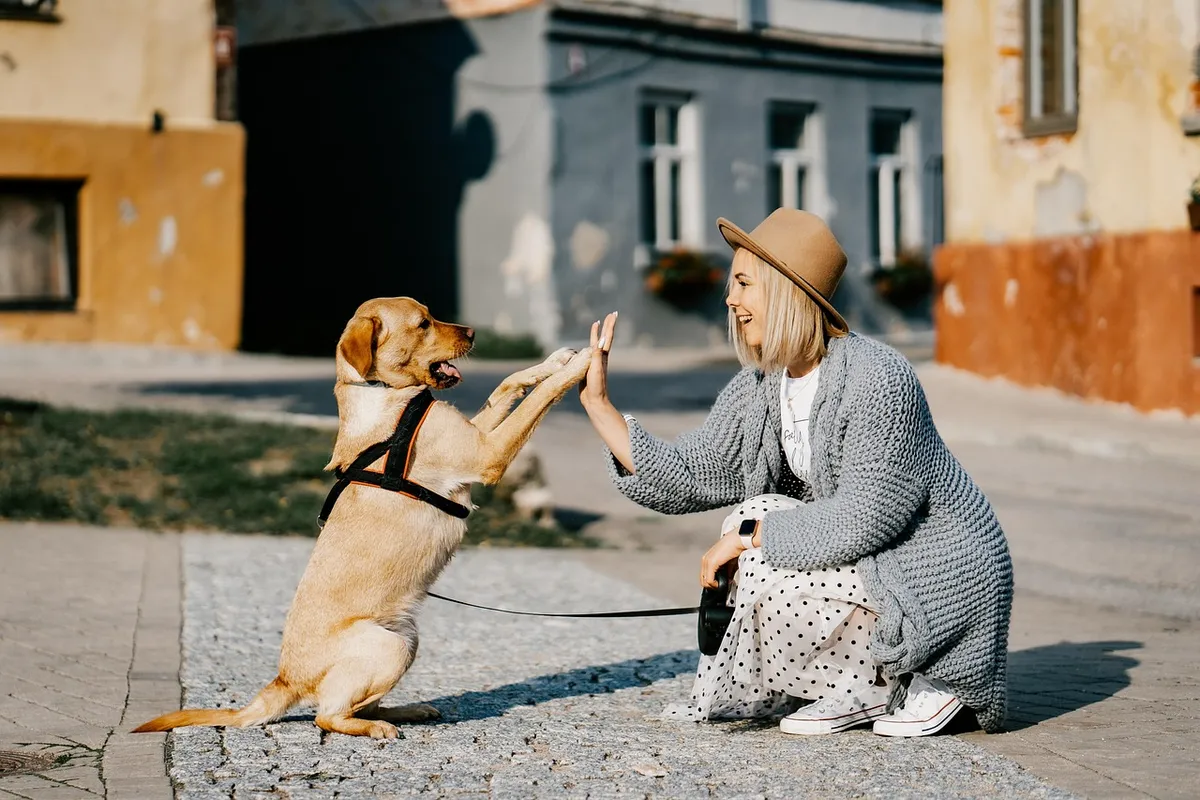
Professional guidance helps maintain high standards for animal welfare and effective learning.
The International Association of Animal Behavior Consultants, the APDT, BC SPCA in Canada, and in the UK the RSPCA, Dogs Trust Blue Cross and the APDT UK, PACT and the Pet Professional Guild now advocate this kind of training exclusively.
Following these established standards helps owners find a reliable dog training method match.
In this sequence, the second point is the most extensive.
How does age affect a puppy training level guide?
A tiny puppy wobbles across a wooden floor, attempting to follow a hand signal. The small animal's movements are clumsy as it tries to understand a basic command.
Age is a critical factor when determining the difficulty of a task. For example, at 38 days of age, the demonstrator puppies took an average of 697 seconds to succeed, while the observers succeeded in an average of 9 seconds.
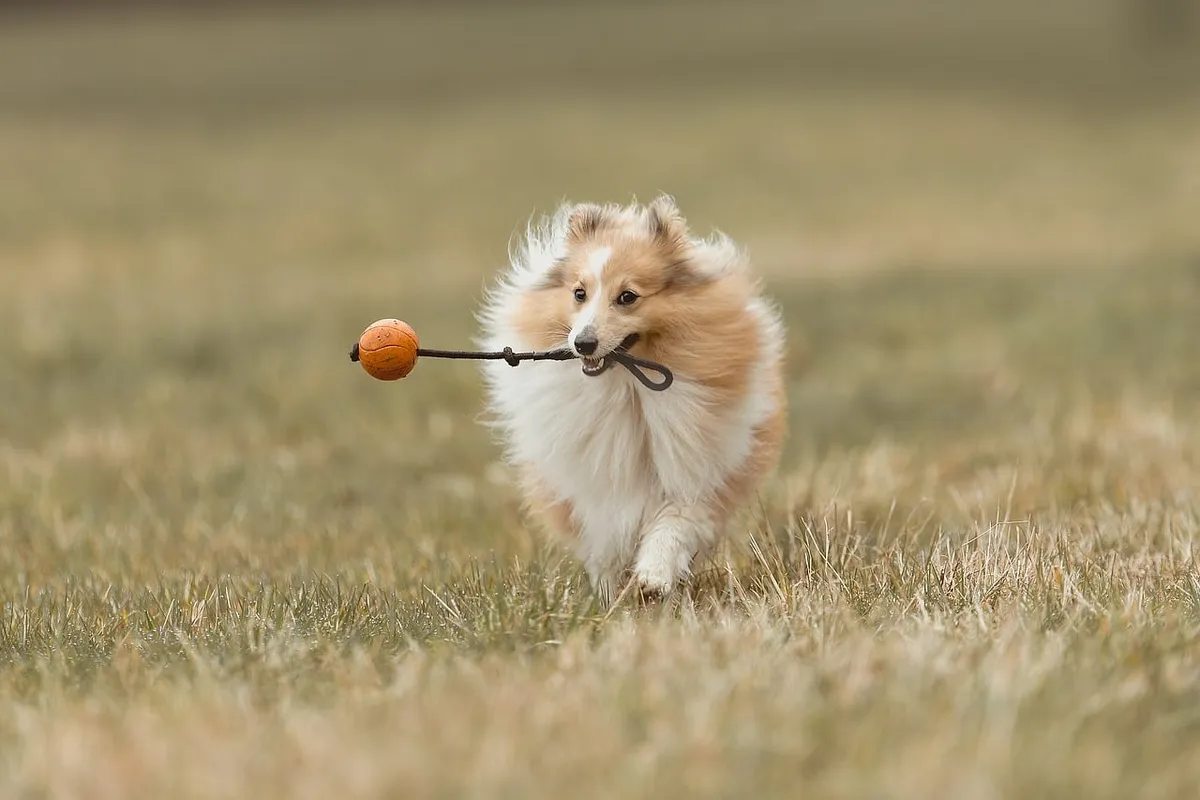
This massive difference shows that developmental maturity significantly impacts how quickly a dog can grasp new concepts.
How do breed training needs guide owners?
A handler walks through a field with a high-energy working dog, managing its intense focus. The dog's natural instincts require specific types of engagement to remain stable.
Different breeds possess unique intelligence and energy levels that dictate their learning capacity. A breed training needs guide helps owners understand whether their dog requires high-level mental stimulation or simple obedience.
Matching the task to the breed's natural inclination ensures a productive dog behavior training plan.
How to implement a training plan?
A trainer lays out a series of treats and a clicker on a small table. They prepare to begin a structured session with a focused dog.
To establish a proper training routine, follow these steps:
- Assess the dog's current skill level and age to set realistic goals. 2. Select a training method that aligns with professional welfare standards. 3. Introduce tasks incrementally to prevent frustration or lack of engagement.

I once observed how a sudden change in task complexity could completely stall a dog's progress during a practice session. A final check of the dog's body language and engagement level is essential before moving to a more difficult task.
This part also covers Dietary needs affect training.
This part also covers Medical issues slow learning.
This part also covers Temperament shapes training pace.
Dietary needs affect training
Related
- Service Passion training difficulty: Guide for success
- Healthy Walks with Your Dog: The Meaning and Management of
When is professional oversight most necessary?
The viewer must seek professional guidance when the dog exhibits signs of undue stress or when the training task seems beyond the dog's current capabilities. Professional oversight ensures that the training methods employed are not causing undue physical or mental strain on the animal.
This is especially true when the dog is encountering a sudden increase in task difficulty.
What should the viewer consider before adopting a new technique?
The viewer must compare the suggested technique against the known physical and mental limits of their specific dog. They should also compare the advice to the established high standards upheld by organizations like the APDT or the RSPCA.
This comparison helps determine if the suggestion is merely entertainment or a sound behavioral protocol.
Factors influencing training success rates?
Successful training hinges upon the alignment between the dog's innate abilities and the demands of the training regimen. The viewer should consider the dog's breed predisposition and its current developmental stage when making training decisions.
This holistic view moves beyond simple compliance to genuine behavioral understanding.
When is critical evaluation most crucial? The viewer must apply critical evaluation when the suggested training advice appears to originate from a media source rather than from established behavioral science. This caution applies particularly when the task complexity suggested seems disproportionate to the dog's observable current condition. The viewer should always temper media portrayals with real-world constraints of the animal.
What should the viewer compare before trusting advice? The viewer should compare the suggested training technique against the dog's known physical limitations and the mental capacity demonstrated during training sessions. Furthermore, the viewer must compare the advice against the rigorous protocols maintained by recognized professional bodies. This comparison separates fleeting entertainment from sound behavioral science.
What determines a successful training match? A successful training match is achieved when the training demands appropriately meet the dog's inherent capacities and current developmental point. The viewer must consider the dog's breed background and its present stage of development when making training choices. This integrated perspective moves the training process beyond simple compliance toward true behavioral comprehension.
Wikipedia: Dog training Based on the retained excerpt mentioning The International Association of Animal Behavior Consultants: The International Association of Animal Behavior Consultants, the APDT, BC SPCA in Canada, and in the UK the RSPCA, Dogs Trust Blue Cross and the APDT UK, PACT and the Pet Professional Guild now advocate this kind of training exclusively.





Comments 0