Siberian Husky traits and history: The 20-26 inches guide
"The history of a breed is often written in the snow and the vast distances they were built to traverse."
Understanding Siberian Husky traits and history requires looking at their physical standards and their deep-rooted connection to northern environments. This guide covers their physical dimensions, historical context, and breed standards to help you understand these working dogs.
Key takeaways include their specific height and weight ranges, their unique genetic history, and the importance of breed standards.
How do Siberian Husky traits and history manifest in their size?

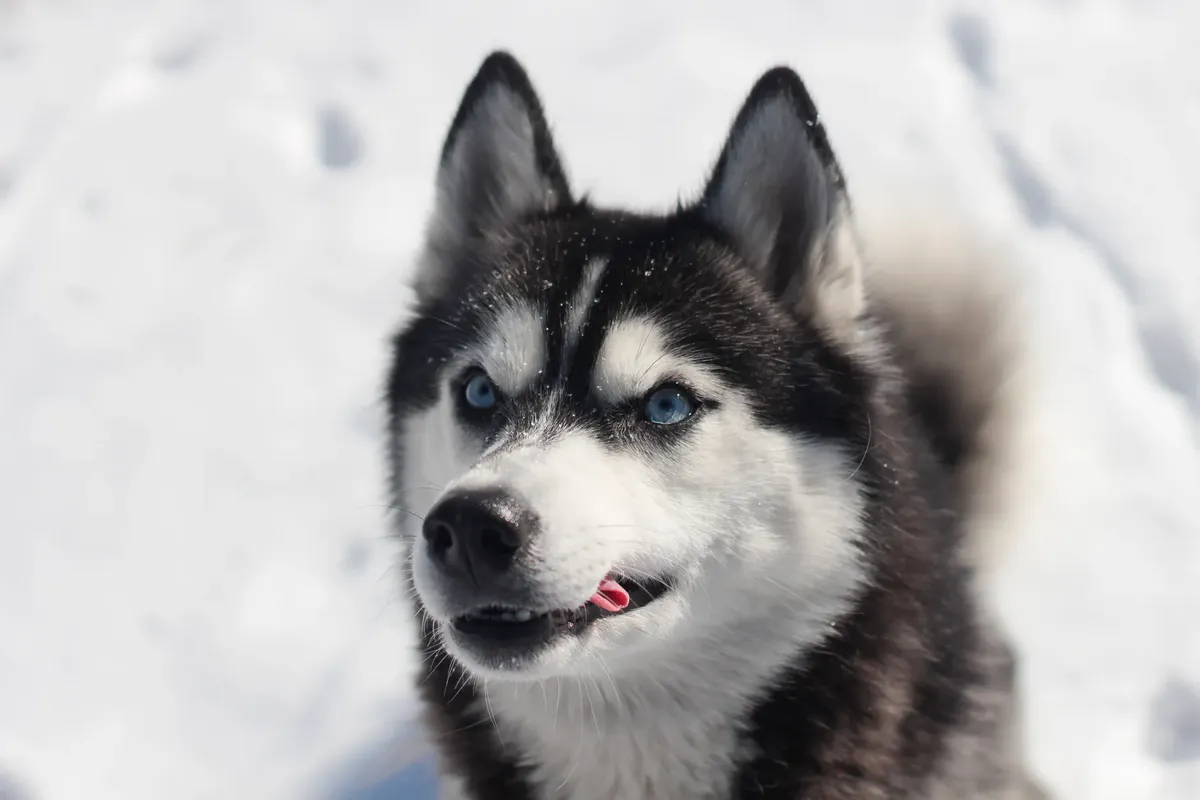
A person stands in a cold field, looking down at a dog that moves with purpose through the brush. The Siberian Husky is a medium to large-sized working dog, standing 20-26 inches tall and weighing between 35-60 pounds.
This size allows for agility during work while maintaining the strength needed for endurance.
The physical stature of the breed is a primary component of Siberian Husky traits and history. While different working breeds vary, the Alaskan Husky is described as a medium to large-sized working dog, standing 20-26 inches tall and weighing between 35-60 pounds.
This specific range ensures they remain efficient in various terrains.
Comparing different breeds shows how specialized these dimensions can be. For instance, the Alaskan Malamute is a large and powerful breed, standing 23-25 inches tall and weighing between 75-85 pounds.
I noticed how much more substantial the Malamute feels compared to the leaner Husky profile when looking at these standard ranges.
| Breed | Height (inches) | Weight (pounds) |
|---|---|---|
| Alaskan Husky | 20-26 | 35-60 |
| Alaskan Malamute | 23-25 | 75-85 |
Where did Siberian dogs actually come from? An explorer brushes frost off an old map, tracing the lines of the high-latitude regions. There is data to indicate admixture of between 1 and 3% between the Taymyr wolf population and the ancestral dog population of these four high-latitude breeds.
This genetic legacy shaped the resilience of the dogs.
The Siberian dog history is intertwined with the natural environment of the North. The genetic makeup of high-latitude breeds reflects an ancient connection to their surroundings. This subtle admixture contributed to the unique characteristics found in northern working dogs.
The Alaskan Husky breed characteristics are often influenced by these ancestral traits. Because they were bred for work, their physical ability to handle cold is a result of these historical developments. This history explains why they remain so distinct from southern breeds.
How do Husky coat care needs relate to their environment?
In the morning light, a handler brushes through thick fur to manage the siberian coat's unique texture.
A handler reaches down to brush thick, frost-tipped fur in the morning light. While coat thickness varies, the breed was developed to withstand harsh temperatures. Proper maintenance of the coat is essential for managing shedding and temperature regulation.
Husky coat care needs often center on managing the double coat that protects them. This coat is designed to insulate against the cold, which is a vital part of their biological history. Managing the shedding process is a regular part of ownership.
The Husky breed characteristics include a coat that is both functional and beautiful. Because the coat is built for the elements, it requires specific attention to prevent matting and to manage hair loss during seasonal changes. Understanding this helps in preparing for life with a Husky.
How do I properly exercise and train my husky? A trainer holds a lead, watching the dog wait patiently before a sudden burst of energy. High energy levels are a hallmark of the breed, requiring regular physical and mental engagement. Training must be consistent to manage their independent nature.
Huskies require significant daily movement to stay healthy and satisfied. Husky exercise and training should focus on both physical stamina and mental stimulation to prevent boredom. Without enough activity, their high energy can become a challenge in a home setting.
Effective Husky temperament and training strategies involve positive reinforcement and clear leadership. Because they are intelligent and independent, they may test boundaries. Consistent engagement is necessary to channel their energy into productive tasks.
What is the standard for a purebred Siberian Husky?
A judge examines a dog's posture and build against a written set of rules. The breed standard indicates that the males of the breed are ideally between 20 and 24 inches (51 and 61 cm) tall at the withers and weighing between 45 and 60 pounds (20 and 27 kg).
These numbers provide a baseline for the breed's ideal form.
Following a breed standard helps maintain the specific traits that make the dog functional. The ideal proportions are designed to balance strength and agility. This ensures the dog can perform the tasks it was originally bred for.
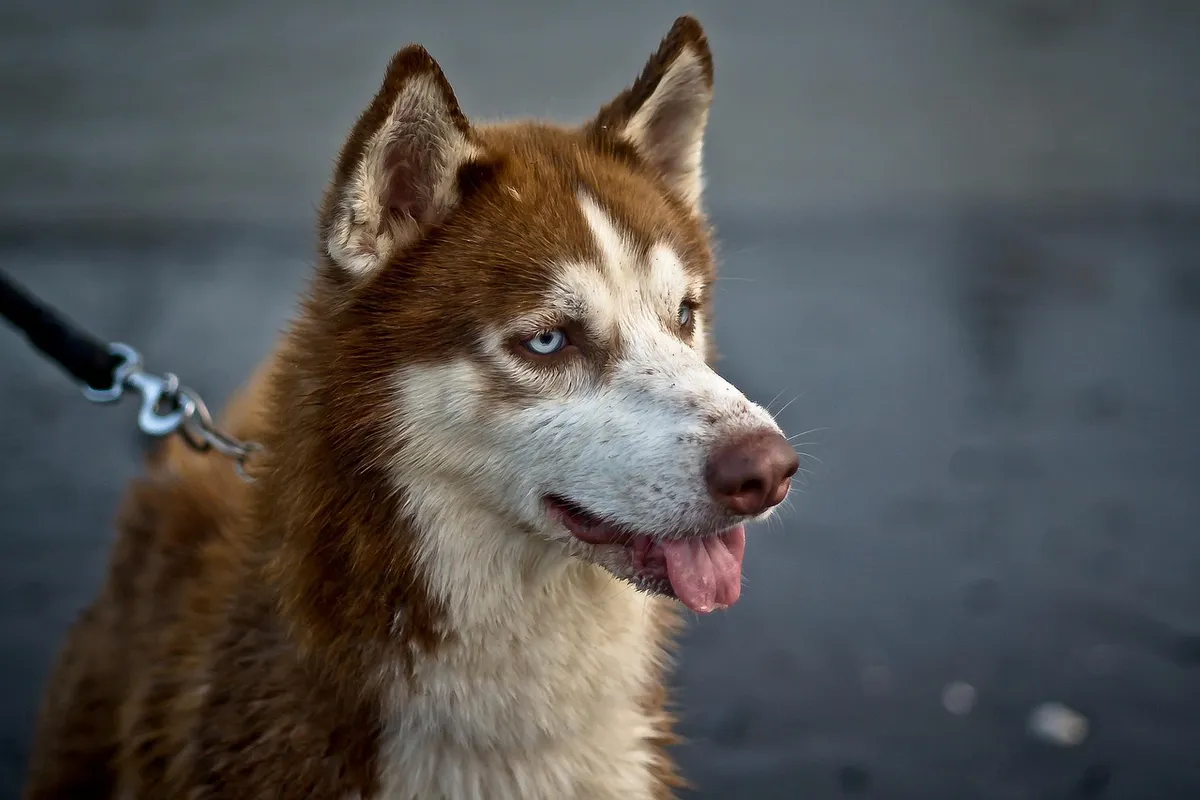
- Evaluate the height at the withers to ensure it falls within the 20-24 inch range for males. 2. Check the weight to see if it aligns with the 45-60 pound ideal. 3. Observe the overall physical condition to ensure it meets the breed's structural needs. 4. Perform a final check of the dog's movement and energy levels.
One limitation is that the breed standard provided for males may not apply to females, as their dimensions typically differ.
- How do Siberian Husky traits and history manifest in their size?
- What is the Siberian dog history regarding genetic origins?
- How do Husky coat care needs relate to their environment?
This part also covers Siberian Husky coat shedding.
Husky temperament and training
Related
- Siberian Husky energy management 32 km distances guide
- Golden Retriever Guide: Best Care Tips For Your Loyal Friend
How does the breed history influence modern care?
The breed history dictates that the coat requires management appropriate for its original function in extreme cold. This functional coat, which is a key part of the breed's history, needs attention to maintain its insulating quality.
Proper upkeep ensures the dog remains comfortable, reflecting its working origins.
What is the role of the breed in modern activity?
The breed's history as a working dog means that modern exercise must mimic the strenuous activity of its ancestors. To prevent behavioral issues, the dog needs sustained physical exertion and mental challenges that match its inherent drive. This activity level is crucial for a happy, balanced dog.
What cautions apply to the breed standard?
While the breed standard provides an ideal template for the breed, it serves as a guideline rather than an absolute law for every individual dog. The standard describes the optimal physical embodiment of the breed's history, but individual variation exists within the acceptable parameters.
This understanding is important for owners whose dogs fall within the acceptable range but not the exact ideal.
- The standard measurements are a benchmark for comparison. 2. The physical condition must align with the breed's functional needs. 3. The dog's movement must reflect the breed's inherent capability.
[web] Full list of breeds by group at the 2025 National Dog Show - NBC Sports Based on the retained excerpt mentioning American Kennel Club Foundation: This breed entered the American Kennel Club Foundation Stock Services Program (AKC FSS) in 2011.


Comments 0