12-18 Months: When Puppies Can Safely Go Hard Running
"A tired dog is a well-behaved dog, but an over-exerted dog is a broken one."
Matching your dog's movement to its genetic blueprint is the difference between a decade of vitality and a lifetime of joint issues.
* Activity needs are genetically programmed and vary wildly between breeds. * High-impact activities on hard surfaces require full skeletal maturity (typically 12–18 months). * Matching exercise to breed profiles ensures mental stability and physical longevity. * Understanding size-specific metrics helps prevent chronic injury.
What Does Your Dog's Breed Actually Require?
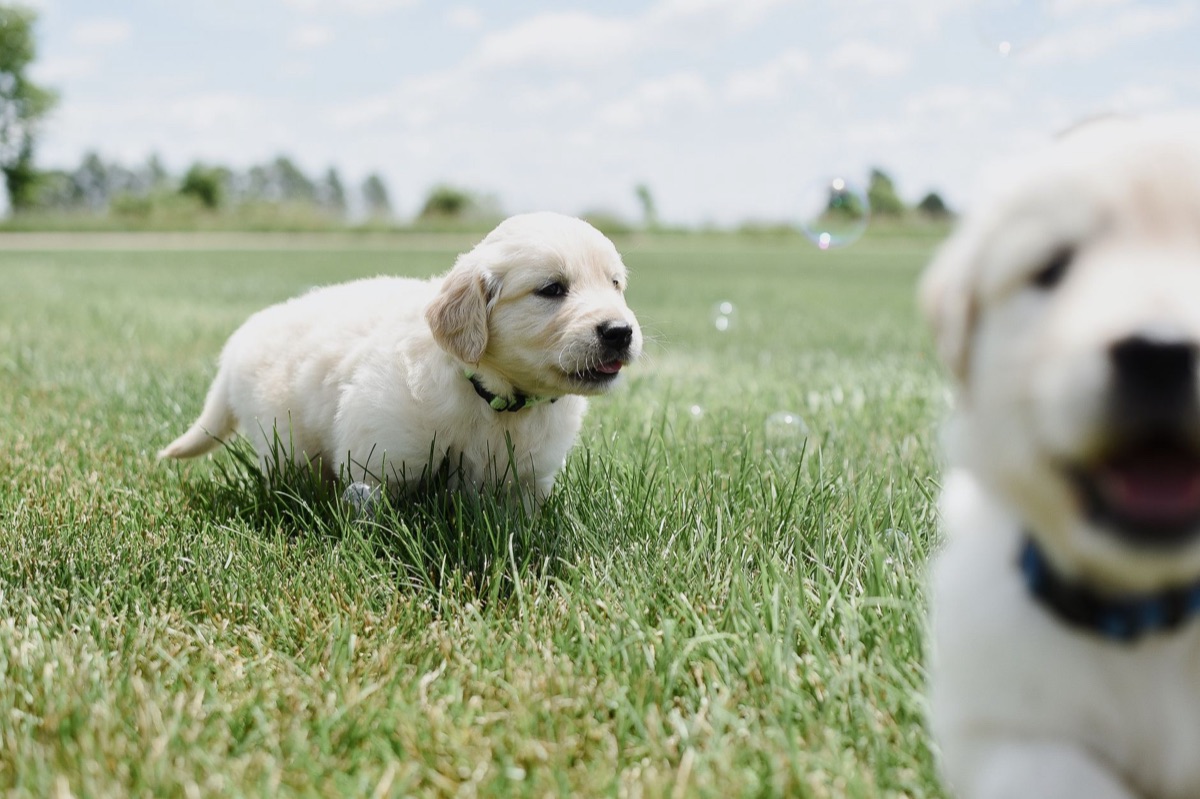
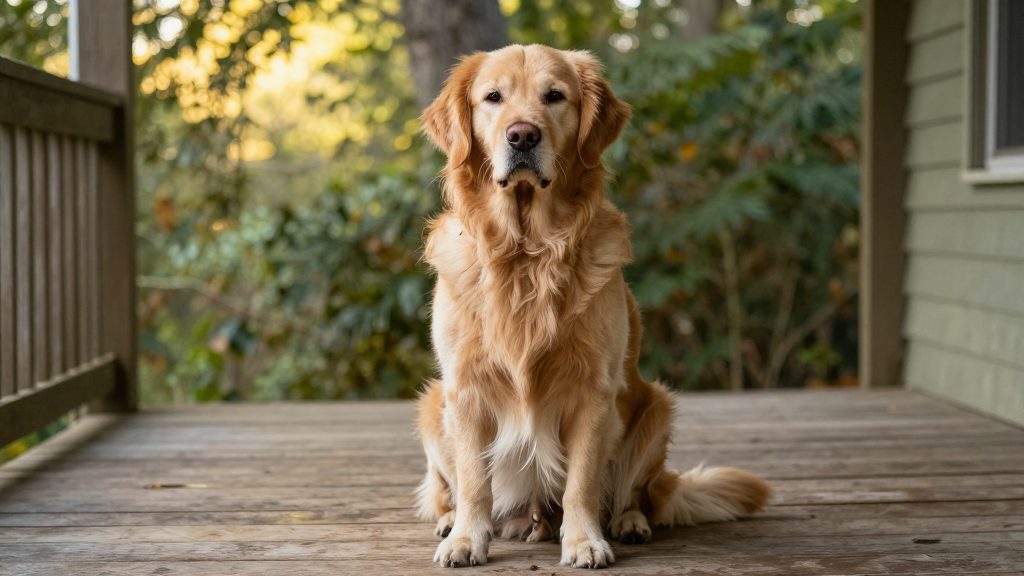
A Golden Retriever trots through a sun-drenched park on a Tuesday morning in 2025, its coat shimmering as it reaches for a tennis ball. In another setting, a heavy-set Bulldog pants heavily on a patch of grass, its movement more methodical and labored.
The spectrum of activity needs is vast. Some breeds were engineered to roam miles of open terrain, while others were bred to sit at a human's feet.
For instance, a Golden Retriever typically stands between 2ing and 24 inches tall and weighs between 55 and 70 lbs, with a lifespan of roughly 10 to 12 years. Their physical profile demands consistent, moderate-to-high movement to prevent obesity, which can prematurely end that decade-long lifespan.
In contrast, breeds with lower physical tolerance—such as certain bulky companion breeds—cannot handle the same intensity as a high-drive herding type. A dog's weight and height dictate how much stress their joints can take.
If you ignore these physical profiles, you risk chronic inflammation or mobility issues.
Understanding the balance between a dog's natural drive and its physical capacity is the first step in building a sustainable lifestyle.
The Critical Timeline: When Can Puppies Safely Go Hard?
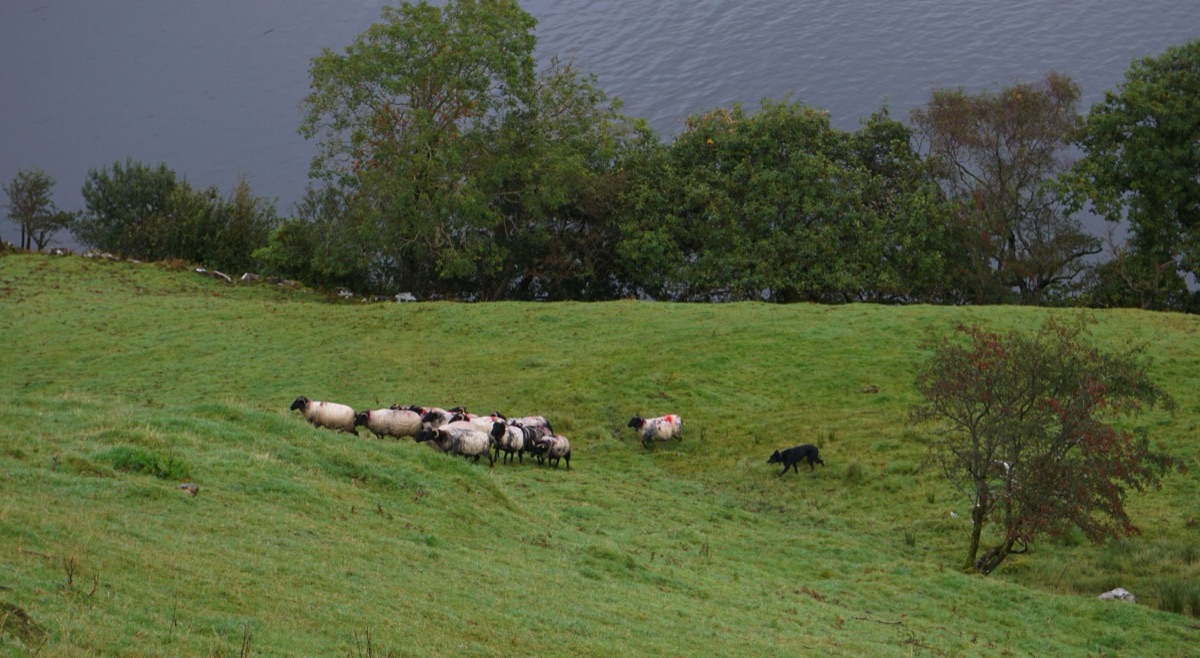
A young Border Collie puppy lunges toward a crack in the sidewalk on a humid afternoon in 2026, its legs full of kinetic energy and its eyes fixed on a passing cyclist. The owner gently holds the leash, knowing that this burst of speed could be dangerous for the puppy's growing frame.
The transition from puppyhood to adult activity is a delicate biological process. Most dogs can begin running once they are fully developed, which typically occurs around 12 to 18 months depending on their specific size and breed.
This window is vital because the growth plates in their bones need time to close and harden.
One of the most significant risks to a growing dog is the surface they run on. Medium-to-large breed dogs shouldn't be allowed to run on hard surfaces like concrete or blacktop until they are at least 18 months old.
Running on these unforgivingly hard surfaces before skeletal maturity can lead to permanent joint damage.
Because every dog grows at a different rate, veterinary oversight is essential to determine when your specific pet is ready for the next level of intensity.
Tailoring the Daily Workout: Activity vs. Exercise
A Siberian Husky mix sprints through a wooded trail on a crisp morning in 2025, its powerful legs eating up the distance with ease. Later that evening, the same dog rests quietly on a rug, its physical needs met through a mix of movement and mental engagement.
It is important to distinguish between basic daily activity—the movement required for biological function—and targeted exercise, which is structured physical work. For high-energy mixes, such as an Aussie-Siberian mix, the requirements are much higher.
If an Australian Shepherd parent is 40 lbs and a Siberian Husky parent is 60 lbs, the offspring might weigh approximately 50 lbs. This medium-to-large frame requires significant daily movement to prevent destructive behaviors caused by pent-up energy.
For these high-drive breeds, a simple walk around the block is rarely enough. You might need to plan for 90 minutes of dedicated activity to satisfy their physical and mental urges. Mental enrichment—such as scent work, puzzle toys, or advanced obedience—must accompany physical exertion.
Without this mental component, even the most active dog may become restless or anxious.
Properly scaling the intensity of your sessions ensures that the dog is being challenged without being depleted.
Beyond the Walk: Essential Care Protocols
A professional groomer carefully snips at a dog's nails on a Wednesday afternoon, ensuring the pads remain healthy and the claws do not overgrow. The dog sits patiently, knowing this routine maintenance is part of its regular health regimen.
Physical activity necessitates physical maintenance. As activity levels increase, the wear and tear on the body increases as well. For many breeds, routine tasks like coat management are essential to prevent skin issues or matting that can impede movement.
One of the most overlooked aspects of physical health is foot care. Nail clipping should be done every 4 to 6 weeks by a professional, such as a groomor or veterinarian. Overgrown nails can alter a dog's gait, leading to unnatural weight distribution and secondary joint pain.
Additionally, being aware of hereditary considerations is vital. Some breeds are predisposed to certain conditions that might be exacerbated by specific types of exercise. Keeping a regular maintenance schedule helps catch these issues before they become mobility-limiting problems.
| Activity Level | Breed Type Example | Primary Focus | Surface Recommendation |
|---|---|---|---|
| High | Husky / Shepherd Mix | Endurance & Mental Drive | Grass, Dirt, Sand |
| Moderate | Golden Retriever | Consistent Movement | Varied (Controlled) |
| Low/Controlled | French Bulldog | Short Bursts / Mobility | Flat, Level Ground |
The Perfect Match: Breed Archetypes and Activity Profiles
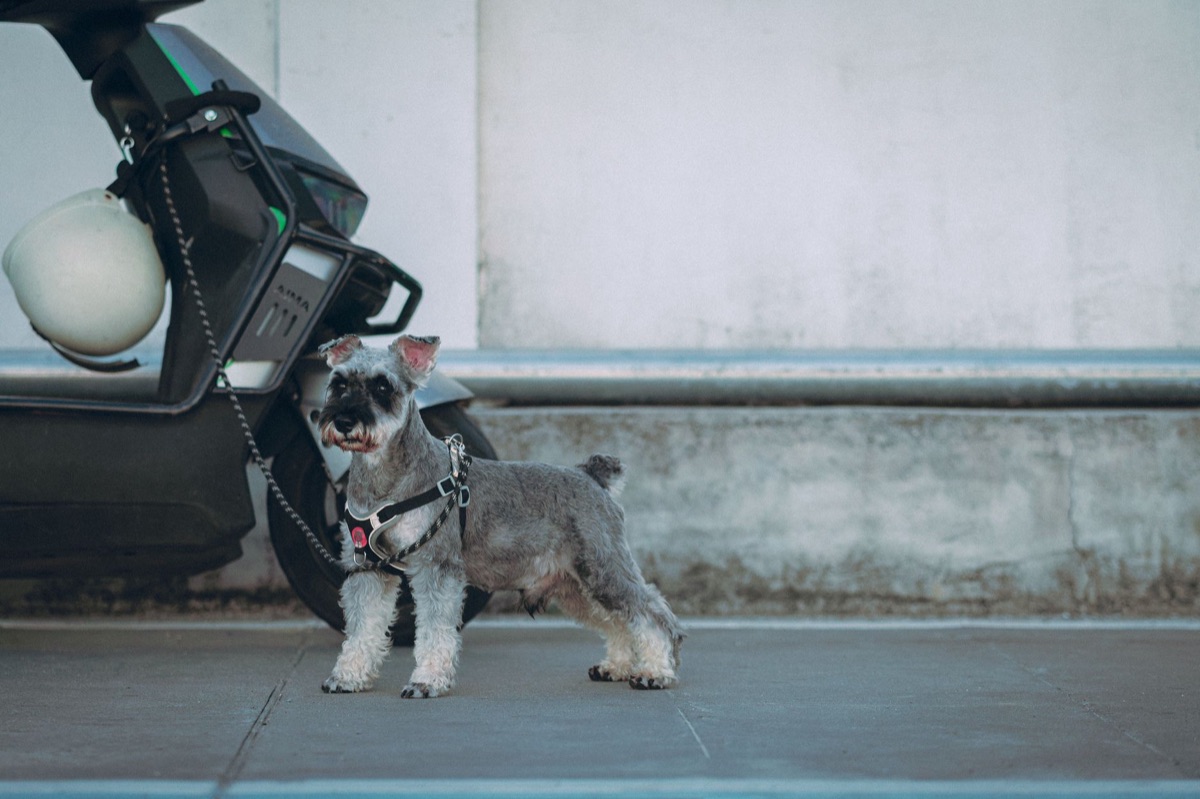
A lean, muscular Husky mix weaves through a trail with precision, its movements fluid and purposeful. In another scene, a small French Bulldog waddles through a park, its shorter legs and sturdier frame dicting a much different pace.
To understand how to plan a lifestyle, we must look at specific archetypes. Consider a high-energy mix, such as an Australian Shepherd and Siberian Husky mix. These dogs often weigh between 35 and 65 lbs and stand between 20 and 23 inches tall.
Their routine must include vigorous running and significant mental stimulation to prevent them from becoming "job-seekers" that create trouble at home.
On the other end of the spectrum, a medium-to-small companion breed like a French Bulldog has entirely different constraints. With heights typically between 11 and 13 inches and weights often under 28 lbs, their physical capacity for endurance is much lower.
For these dogs, the goal is often weight management and gentle movement rather than distance running.
Matching the dog to the owner's lifestyle is just as important as matching the exercise to the dog.
| Feature | High-Energy Archetype | Companion Archetype |
|---|---|---|
| Primary Need | Distance & Mental Tasks | Controlled Walks & Play |
| Risk Factor | Boredom/Destruction | Overheating/Joint Stress |
| Ideal Surface | Soft, natural terrain | Level, easy-access paths |
Summary of Activity Planning
To create a successful movement plan, follow these steps to ensure your dog's safety and satisfaction:
- Assess the Breed Profile: Determine if your dog is a high-drive athlete or a moderate companion based on its genetic history.
- Respect the Growth Window: Check if the dog has reached the 12–18 month threshold before starting high-impact running.
- Select Appropriate Surfaces: Prioritize grass or dirt for high-impact work to protect joints.
- Balance Physical and Mental: Ensure every heavy exercise session is paired with mental enrichment to prevent behavioral issues.
- Schedule Maintenance: Set a recurring 4–6 week window for professional nail clipping and grooming.




Comments 0